


Iran Proposes Temporary Hormuz Transit Plan to Oman, Seeks Greater Control Over Key Shipping Routes
Tehran rejects equal route-sharing proposal, says Strait of Hormuz will remain restricted until security concerns are addressed
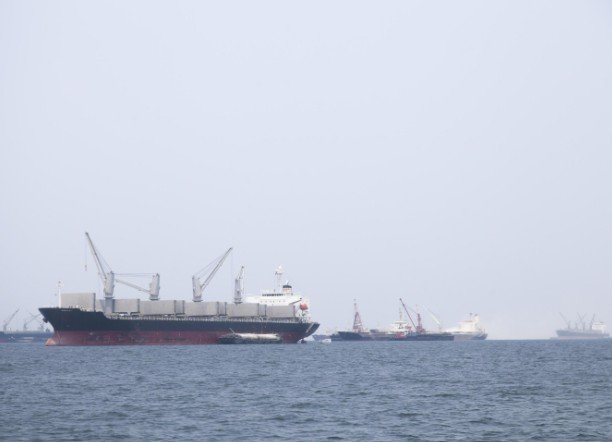
Dubai: Iran has presented Oman with a temporary plan aimed at reopening traffic through the strategically important Strait of Hormuz, under which Tehran would gain greater control over key maritime transit routes, Iranian Deputy Foreign Minister Kazem Gharibabadi said on Tuesday.
According to Gharibabadi, the proposal would allow shipping movement through routes located partly within Iranian waters. Under the arrangement, traffic in one direction would pass through Iran’s maritime zone, while a portion of the opposite route would also fall under Tehran’s control.
The proposal comes amid heightened tensions in the Gulf region and growing concerns over the security of one of the world’s most important energy shipping corridors.
Iran Rejects Oman’s Equal Route Sharing Proposal
Gharibabadi said Iran had turned down an earlier proposal from Oman that suggested an equal division of transit routes between the two countries. Tehran argued that such an arrangement failed to address its security requirements until broader regional stability is restored.
The Iranian official said the country’s concerns were linked to the need for enhanced monitoring of vessels passing through the waterway. He added that Iran would continue restricting access to the Strait of Hormuz if Muscat did not accept Tehran’s proposed framework.
Iran has also maintained that it does not recognise the southern maritime route running along Oman’s coastline.
Dispute Over International Shipping Route
A major point of disagreement involves the Traffic Separation Scheme (TSS), a maritime navigation system established by the International Maritime Organization (IMO) to organise vessel movement and prevent collisions.
Gharibabadi said Tehran no longer recognises the existing TSS, claiming that the route lies largely within Omani waters and does not meet Iran’s security requirements.
The Iranian diplomat said the situation changed after attacks carried out by the United States and Israel in late February, prompting Tehran to reassess its approach toward monitoring vessels entering and leaving the strategic waterway.
Iran and Oman Follow Separate Maritime Routes
The internationally recognised TSS route has reportedly become unusable due to concerns over possible mines in the area. As a result, maritime traffic has shifted to alternative routes, with Iran using a northern passage and Oman managing a southern route.
Gharibabadi defended Iran’s position, saying Tehran’s demand was based on security considerations rather than an attempt to pressure neighbouring countries.
“This is for national security and not bullying because when the TSS was for 60 years in Omani waters, we did not raise objections,” he said.
Tehran Opposes Foreign Involvement in De-mining Operations
The Iranian official further warned that Tehran would not permit any third country to participate in removing mines from the Strait of Hormuz, even if such assistance was requested by Oman.
He said the responsibility for ensuring security in the waterway should remain with regional countries and rejected outside involvement in managing maritime operations.
Strategic Importance of Strait of Hormuz
The Strait of Hormuz is one of the world’s most vital shipping chokepoints, connecting the Persian Gulf with the Gulf of Oman and the Arabian Sea. A significant share of global oil and gas shipments passes through the narrow waterway, making any disruption a major concern for international energy markets.
Iran’s latest proposal reflects its effort to increase influence over maritime movement in the region while addressing what it describes as security threats. However, the plan could lead to further diplomatic discussions between Tehran and Muscat over navigation rights, regional stability and control of shipping routes.
As talks continue, the future movement of commercial vessels through the Strait of Hormuz remains closely watched by energy markets and governments worldwide.

