


Iran Shuts Down Internet During Conflict, Deepening Civilian Risk
Digital shutdown leaves Iranians unable to access critical safety information while regime targets international audiences
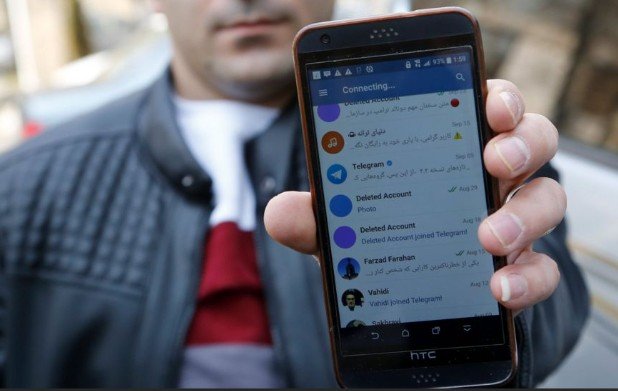
Dublin, Mar 6: Hours after US and Israeli military strikes on Iran on February 28, the Iranian government imposed a near-total nationwide internet blackout, leaving only about 1% of normal connectivity functional. Analysts say this is one of the rare instances in modern history where a government has almost entirely cut off its population during an active military conflict.
The internet shutdown has put civilians at severe risk, preventing access to real-time alerts about potential attacks. With many strategic and military targets located in urban areas and no air-raid warning system in place, residents face heightened danger from ongoing bombings.
At the same time, Iranian officials have maintained a robust online presence abroad, running propaganda campaigns targeting US audiences and portraying the military strikes as part of a narrative to pressure Washington. Foreign-language posts from top officials, including Foreign Minister Abbas Araghchi and Ali Larijani, highlight the regime’s strategic use of digital platforms to influence international opinion while domestic citizens remain cut off.
The blackout relies on Iran’s National Information Network, a system developed over two decades to restrict access to the global internet while keeping select government, banking, and national platforms operational. Previously used to suppress nationwide protests in 2019 and earlier this year, the network allows authorities to tightly control information flows, limiting citizen access and shielding the regime from scrutiny.
Journalists in Tehran have reported extreme difficulties in communicating with the outside world. Milad Alavi, who circumvented restrictions using VPNs, noted: “Internet in Iran, whether fixed or mobile, is cut off. We are left in the dark while state media broadcasts Iran on the verge of conquering Tel Aviv and Washington.”
Observers warn that this blackout, while aimed at controlling potential protests, has escalated into a matter of civilian safety. Evacuation warnings, usually shared via social media by foreign sources, remain inaccessible to residents, leaving many unaware of imminent threats.
Meanwhile, Iranian officials continue to actively engage on foreign platforms, shaping narratives for US audiences and criticizing American leadership, despite the ongoing domestic crisis. This stark contrast underscores the regime’s prioritization of propaganda objectives over the protection of its own citizens during the conflict.

