


Israel Says It Has Killed Iran’s Basij Militia Chief in Targeted Strike
Escalation in Middle East: Israel targets Tehran and Hezbollah; Iran retaliates with strikes across Gulf nations, disrupting airspace and oil shipping
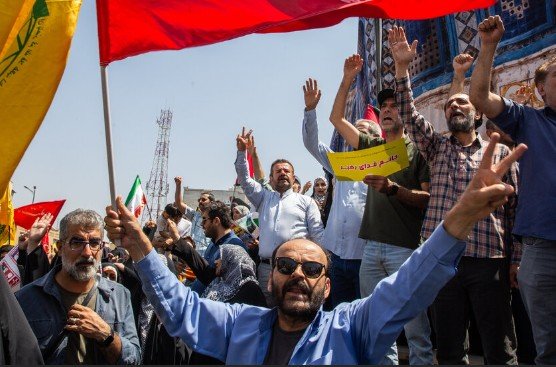
Isreal, Mar 17 : Israel on Tuesday announced it had killed Gholamreza Soleimani, head of Iran’s all-volunteer Basij militia, a key force involved in suppressing domestic protests. The strike, part of a widening campaign against Iranian and Iran-backed forces, comes amid renewed missile and drone attacks on Gulf Arab nations, raising regional tensions.
The Israeli military confirmed the targeted killing of Soleimani on Monday but noted Iran had not yet acknowledged the death. Israel described the Basij as a central instrument of state repression, citing its violent crackdown on civilian demonstrators under Soleimani’s command. The U.S. and EU had previously sanctioned him for his role in quelling dissent.
Alongside the targeted operation, Israel conducted extensive airstrikes on Tehran, targeting command centers, missile sites, and air defense infrastructure, and stepped up strikes on Hezbollah positions in Lebanon. The military reported multiple incoming missile and drone attacks, including salvos toward Tel Aviv and northern Israel, while Hezbollah targeted Israel’s northern frontier.
Gulf Airspace and Oil Supply Under Pressure
The escalating conflict forced the UAE to briefly close its airspace over Dubai, with one civilian casualty reported from missile debris over Abu Dhabi. Saudi Arabia and Qatar intercepted numerous drones and missiles, while Iran continued strikes on strategic installations, including an oil facility in Fujairah. The sustained threat to the Strait of Hormuz, a crucial global oil transit route, has driven Brent crude above USD 100 per barrel, sparking concerns over global energy security.
Regional Instability Intensifies
The conflict has displaced over a million people in Lebanon, with more than 850 fatalities reported. Iran’s attacks on Gulf shipping and energy infrastructure, combined with Israeli military operations, are fueling fears of broader destabilization. In Iraq, Iran allied militias targeted U.S. facilities, though air defenses intercepted all projectiles.
Lt. Gen. Eyal Zamir, Israel’s military chief of staff, said the army is reinforcing its northern command and remains committed to achieving strategic objectives in both Lebanon and Iran. Meanwhile, Iran maintains limited control over the Strait of Hormuz, allowing passage primarily for certain countries while restricting access for the U.S., Israel, and allies.
The ongoing conflict underscores the heightened risks to global energy markets, regional stability, and civilian safety as Israel intensifies operations against Iran and its proxies, while Iran continues to retaliate across the Gulf.

