


Jairam Ramesh Says Congress Should Not Re-Admit Leaders Who Joined BJP
Senior Congress leader says those who left the party after benefiting from key positions and power should not be considered for re-entry.
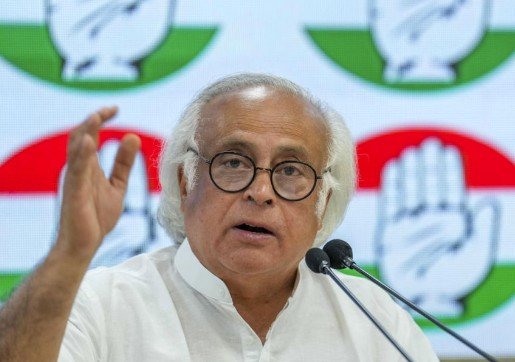
NEW DELHI, June 24: Senior Congress leader Jairam Ramesh has said that politicians who left the Congress to join the Bharatiya Janata Party (BJP), especially younger leaders once seen as the party’s future, should not be allowed to return to the organisation.
Speaking in an interview with PTI, Ramesh expressed strong reservations about any possibility of welcoming back former Congress members who crossed over to the BJP after holding influential positions within the party and government. He, however, clarified that the view reflected his personal opinion and not an official party stand.
Responding to a question on whether the Congress could consider reinducting former leaders such as Jyotiraditya Scindia, Jitin Prasada, Milind Deora or others who left during the past decade, Ramesh said he believed such a move would be inappropriate.
According to him, many of those who departed had enjoyed significant responsibilities, political opportunities and organisational support before choosing to align themselves with a party whose ideology differs fundamentally from that of the Congress.
Ramesh argued that individuals who remained with the Congress through challenging political circumstances demonstrated a deeper commitment to the party’s principles. He noted that the Congress has spent years in opposition and that those who stayed despite the absence of power had shown resilience and ideological conviction.
The Congress leader said the party’s current cadre includes members who have continued to work for the organisation despite electoral setbacks and changing political dynamics. He suggested that their loyalty should be valued over attempts to bring back leaders who had chosen a different political path.
Over the last several years, a number of prominent Congress faces moved to the BJP, including Scindia, Prasada, Deora and RPN Singh. Many of them were regarded as emerging national leaders and were closely associated with the Congress leadership before their exit.
After joining the BJP, several of these leaders publicly endorsed Prime Minister Narendra Modi’s leadership and criticised their former party’s functioning and direction. Some also went on to secure important political and administrative roles within the BJP-led establishment.
Ramesh maintained that switching sides after benefiting from the Congress’s support raised serious questions about political commitment. While acknowledging that Indian politics often witnesses shifting alliances and changing loyalties, he reiterated that he personally did not favour reopening the party’s doors to former members who had left for ideological opponents.
His remarks come amid continuing discussions within political circles about party loyalty, ideological commitment and the challenges faced by opposition parties in retaining influential leaders. The comments also highlight the debate within the Congress over how to deal with former members who may seek to return in the future.
Though Ramesh stressed that his position was a personal one, his observations are likely to fuel wider political discussion on defections and the role of ideology in contemporary Indian politics.

