


Jaishankar Says India Supports Dialogue, Focuses on Safety of Indians in West Asia
Government stresses diplomacy and dialogue as conflict threatens regional stability, energy security and Indian nationals in the Gulf.
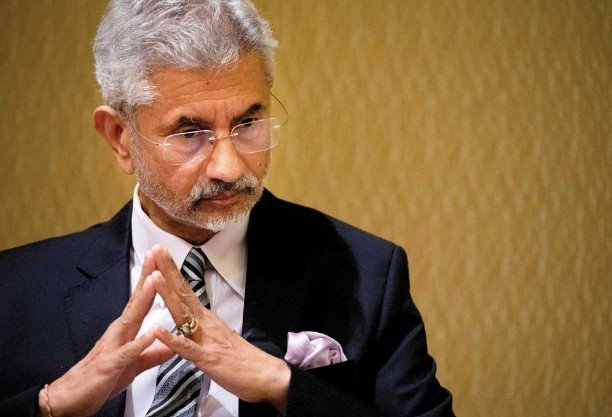
New Delhi, Mar 9: India on Monday called for restraint and renewed diplomatic engagement as tensions continue to escalate in West Asia, with External Affairs Minister S. Jaishankar stressing that the protection of Indian citizens and the safeguarding of national interests remain the government’s foremost priorities.
Delivering a suo motu statement in the Rajya Sabha, the minister said India supports efforts aimed at reducing hostilities and returning to dialogue and diplomacy while emphasising the importance of respecting the sovereignty and territorial integrity of all nations in the region.
The ongoing crisis began on February 28 after the United States and Israel launched military strikes on Iran, prompting Tehran to retaliate with attacks on American positions in the region and targets in Israel. The confrontation has since widened, raising concerns about regional stability and global energy supplies.
Jaishankar said India has consistently expressed concern over the situation and urged all parties to avoid escalation and prioritise civilian safety. He emphasised that diplomatic engagement remains the only viable route to resolving the crisis.
“The wellbeing and security of the Indian community in the region is our priority,” he said, adding that India’s broader interests, including energy security and trade, are also being carefully safeguarded amid the volatile environment.
The minister noted that the Cabinet Committee on Security, chaired by Prime Minister Narendra Modi, reviewed the developments on March 1. The meeting assessed the implications for regional security, economic activity and the safety of the large Indian diaspora in Gulf countries.
According to the government, nearly one crore Indians live and work across Gulf nations, while several thousand are currently in Iran for education or employment. The Gulf region remains crucial for India’s energy supplies and accounts for nearly USD 200 billion in bilateral trade.
Jaishankar also informed the House that attacks on merchant shipping during the conflict have affected Indian seafarers, with casualties reported and one Indian mariner still missing.
To ensure the safety of citizens, the government has issued multiple travel advisories since January, advising Indians to avoid non-essential travel to Iran and urging those present in the country to remain in contact with Indian diplomatic missions.
Embassies in the region have facilitated relocation and evacuation support, including assisting Indian nationals to travel to neighbouring countries such as Armenia for their return journey to India.
The minister said that around 67,000 Indian nationals have already returned from the region with the government arranging additional commercial flights and other travel options whenever airspace restrictions eased.
A dedicated control room has been established by the Ministry of External Affairs to track developments and respond to requests from Indian citizens. The Directorate General of Shipping has also set up a rapid response mechanism to assist Indian seafarers affected by the crisis.
India has maintained active diplomatic engagement with several regional leaders. Prime Minister Modi has spoken with the heads of government of the United Arab Emirates, Qatar, Saudi Arabia, Kuwait, Bahrain, Oman, Jordan and Israel, all of whom assured the safety and security of the Indian community.
Jaishankar added that India has also remained in contact with both the United States and Iran. He confirmed that he held conversations with Iranian Foreign Minister Abbas Araghchi on February 28 and again on March 5 to discuss the evolving situation.
Despite the conflict, India allowed the Iranian vessel IRIS Lavan to dock at Kochi on March 4 on humanitarian grounds, the minister said.
Reaffirming the government’s approach, Jaishankar said India will continue diplomatic engagement with all relevant partners while taking necessary steps to protect the country’s economic interests and energy security in the midst of the unfolding crisis.

