


Japanese Yen Slips Past 163 Against Dollar, Fueling Intervention Speculation
Currency weakens beyond 163 per dollar amid rising U.S. yields, higher oil prices and growing expectations of Japanese government action.
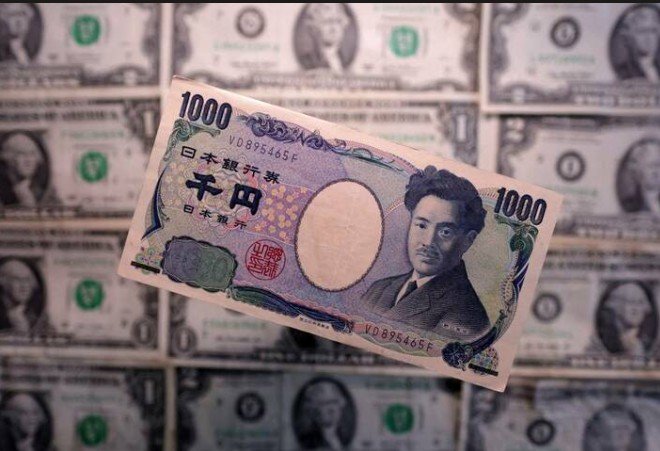
TOKYO, July 22: The Japanese yen remained under intense pressure on Wednesday, hovering near its weakest level in almost four decades as a stronger U.S. dollar, rising Treasury yields and elevated crude oil prices renewed speculation that Tokyo could step into the currency market once again.
The yen traded around 163.21 per U.S. dollar during the Asian session after slipping to 163.24 in New York trading overnight, its lowest level since late 1986. The sharp decline has kept investors alert for any signs of official intervention by Japanese authorities.
The U.S. dollar continued to strengthen against major global currencies as investors sought safe haven assets amid ongoing geopolitical tensions in West Asia. The conflict has also pushed oil prices higher, further supporting the greenback and adding pressure on import-dependent economies such as Japan.
Market analysts said the dollar’s traditional role as a safe haven currency, combined with rising energy prices, has reinforced demand for the U.S. currency.
The euro traded close to USD 1.14, while the Australian dollar held near the 70-cent mark. The New Zealand dollar remained above a key technical support level, and the British pound weakened after falling below its 200-day moving average as investors assessed the United Kingdom’s fiscal outlook.
Meanwhile, Brent crude oil climbed to a six-week high of nearly USD 92 per barrel, while U.S. Treasury yields extended their gains. The benchmark 10-year Treasury yield reached its highest level since May, and the 30-year yield rose above 5.1 per cent, increasing the appeal of dollar-denominated assets.
Higher U.S. yields have widened the interest-rate gap between the United States and Japan, where borrowing costs remain comparatively low. This divergence has continued to weigh heavily on the Japanese currency.
Attention is now focused on whether Japanese authorities will intervene in the foreign exchange market. Japan conducted record currency intervention in April and May after the dollar crossed the 160-yen mark, but the impact proved temporary as the yen resumed its downward trend.
Officials have recently avoided issuing frequent warnings, instead maintaining uncertainty over the timing of any potential market action in an effort to discourage speculative trading.
Analysts at HSBC said another round of intervention could come if the yen weakens further, although they believe such measures would have only a limited effect unless accompanied by tighter monetary policy from the Bank of Japan or a shift in U.S. interest rate expectations.
Most market participants expect the dollar-yen exchange rate to remain elevated in the near term, with periodic intervention likely limiting further losses while Japan’s low real interest rates continue to keep the yen under pressure.

