


JD Vance and Marco Rubio Diverge on Iran-Israel Policy Stance
Contrasting remarks on Lebanon and Iran talks highlight differing foreign policy instincts within Trump administration despite official claims of unity.
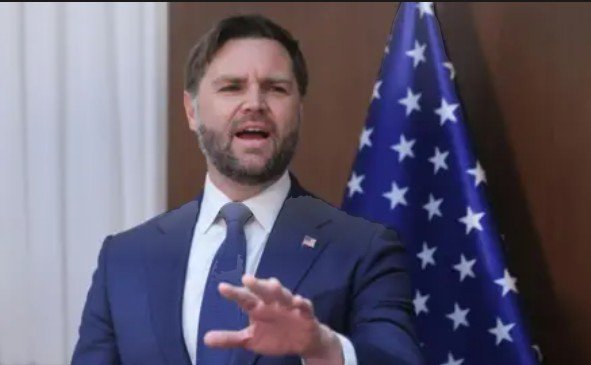
MANAMA: Signs of differing approaches within President Donald Trump’s administration have emerged over the handling of the Iran-Israel conflict, even as senior officials insist the government remains fully aligned behind the White House strategy.
Vice President JD Vance and Secretary of State Marco Rubio have recently offered contrasting assessments of Israel’s military actions in Lebanon and the broader U.S.-Iran diplomatic engagement, revealing subtle but notable differences in tone and emphasis.
Speaking at the White House last week, Vance criticized Israeli detractors of a preliminary U.S.-Iran understanding and suggested that Israeli strikes on civilian infrastructure in Beirut, aimed at weakening Hezbollah, risked complicating American-led diplomatic efforts. His remarks reflected a more cautious stance toward regional escalation and a preference for limiting military spillover.
Rubio, by contrast, adopted a firmer position during his diplomatic tour of Gulf states. Defending Israel’s campaign against Hezbollah-linked targets in Lebanon, he described the operations as a justified response to cross-border attacks. When asked about Vance’s criticism, Rubio avoided direct confrontation but reiterated accounts of recent militia assaults on Israeli positions, reinforcing Israel’s security concerns.
The divergence has drawn attention to differing worldviews within the administration at a sensitive moment in U.S.-Middle East diplomacy. Both officials have been tasked with promoting a preliminary peace framework signed between Washington and Tehran on June 17, but their messaging has varied during high level international engagements.
Vance’s recent trip to Switzerland for talks with Iranian representatives underscored a more engagement-focused approach. He expressed optimism about the trajectory of negotiations and floated the idea that Gulf states could potentially support reconstruction efforts in Iran as part of a broader normalization process. He also referenced the possibility of expanding diplomatic coordination mechanisms, including liaison arrangements involving Iranian officials and the Pentagon in Qatar.
Rubio’s regional visit to the United Arab Emirates, Kuwait, and Bahrain focused instead on reassurance diplomacy. He sought to calm allied concerns that the interim U.S.-Iran understanding might tilt too far in Tehran’s favor, emphasizing that any agreement must be strictly enforceable and aligned with American and allied security interests. He also downplayed the idea of near-term financial commitments to Iran’s rebuilding, describing such discussions as premature.
Despite the contrasting tones, the White House and State Department have rejected suggestions of internal disagreement. Officials reiterated that both leaders are operating in full coordination under President Trump’s direction and that U.S. policy remains unified on preventing Iran from obtaining nuclear weapons.
Spokespersons from both offices dismissed reports of divergence, characterizing them as misinterpretations of routine diplomatic messaging differences. They stressed that the administration’s objectives in Lebanon and the wider region remain consistent, particularly regarding the restoration of Lebanese state authority over its territory.
However, foreign policy analysts argue that the variations in rhetoric reflect deeper ideological differences within the Republican foreign policy establishment. Vance, a long-time critic of overseas military interventions, has advocated restraint and reduced American involvement in prolonged conflicts. Rubio, in contrast, has built a reputation as a security hawk, favoring a more assertive posture toward Iran and allied militant groups.
The two leaders are also widely viewed as emerging figures within the Republican Party’s next generation of national leadership, adding political weight to their differing approaches.
While both have consistently backed President Trump’s major foreign policy decisions, including recent military and diplomatic actions involving Iran and Venezuela, polling suggests the Republican base itself remains divided over the direction of U.S. engagement abroad.
As negotiations with Tehran continue, the administration faces the challenge of maintaining a consistent external message while balancing competing instincts within its top ranks on how best to manage one of the most volatile geopolitical flashpoints in the world.

