


JK Karigari from Craft to Commerce
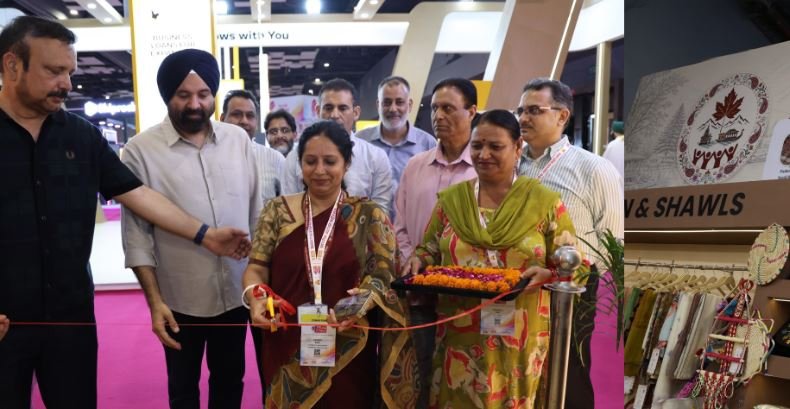
Jammu and Kashmir’s handicrafts are known across the country for their skill, detail and cultural value, but the people who make them have not always received the market access or income they deserve. The launch of JK Karigari is therefore a useful step because it tries to bring artisans closer to buyers while protecting the authenticity of their work.
The platform includes a wide range of products, from Pashmina, Kani and Sozni shawls to papier-mache, walnut wood carving, carpets, crewel embroidery, Chabri craft, macrame items, wooden products and traditional foods. This gives it the potential to represent the diversity of both Jammu and Kashmir rather than focusing on only a few well-known crafts. One of its strongest features is the use of QR codes carrying details about the artisan, district of origin and GI status where applicable. This matters because genuine handmade products often struggle against cheaper imitations. Buyers may not always know what is authentic and what is not. A reliable traceability system can help protect both the customer and the artisan. The promise of direct payment to artisan groups is equally important. For years, many craftspeople have depended heavily on middlemen to reach markets. In that process, the producer often receives only a small share of the final selling price. A direct platform can improve earnings and give artisans greater control over their work. The focus on women-led Self Help Groups also gives JK Karigari wider social value. With thousands of SHGs and nearly 50,000 women associated with DAY-NULM across Jammu and Kashmir, better access to markets can help turn skill into regular income and greater financial independence. But the platform will succeed only if people actually buy through it. That means support cannot stop at registration. Many artisans may need help with product photography, packaging, pricing, inventory, digital payments, and dispatch and customer service. A good product can still fail online if it is poorly presented or delivered late. The story behind the product also matters. Jammu and Kashmir’s crafts are not ordinary goods. They carry generations of skill, local identity and tradition. Buyers should be able to understand who made an item, how it was created and why it is special. This can add value and help authentic products stand apart from mass-produced copies. The Government should also look beyond individual retail customers. Corporate gifting, hotels, tourism establishments, government departments and institutional buyers can create larger and more regular orders. Export support can open another important avenue for products with strong international appeal. Inter-state partnerships should be expanded as well. Collaborations with other states, trade bodies and retail networks can help JK Karigari build a wider presence and reduce dependence on seasonal sales. Quality control, however, must remain strict. A government-backed marketplace creates an expectation of trust. Even a few poor-quality or wrongly labelled products can damage that confidence. Regular verification and a simple grievance system should therefore be part of the platform from the beginning. The larger aim should be to make traditional craftsmanship commercially sustainable. Artisans should not have to depend only on exhibitions, tourist seasons or occasional government events to earn a decent living.
JK Karigari deserves appreciation for creating a direct and credible market link. The next step is to ensure that it delivers steady sales, repeat orders and better incomes. With strong logistics, branding support, quality control and wider institutional buying, the platform can do something far more important than simply sell handicrafts. It can help ensure that the people preserving Jammu and Kashmir’s cultural heritage are also able to build secure livelihoods from their skill. Going forward, JK Karigari should prioritise professional branding, export facilitation, assured logistics, institutional procurement, strict authenticity checks and continuous seller mentoring. Regular publication of sales and artisan-income data would ensure accountability and help transform the platform into a dependable livelihood ecosystem.

