


J&K Oral Healthcare Capacity Rises
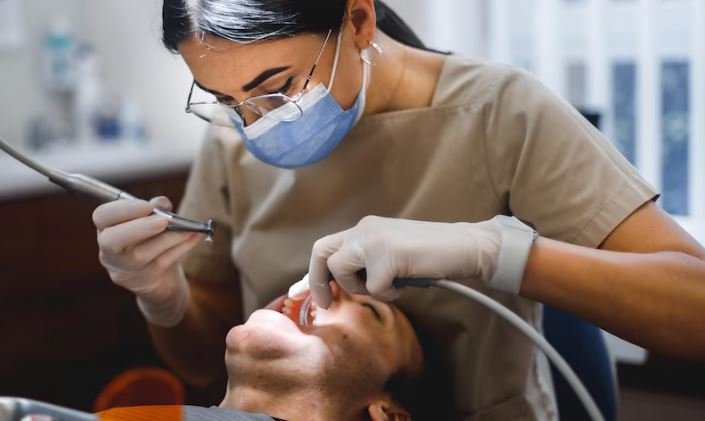
The decision to double the MDS seats at Indira Gandhi Government Dental College, Jammu, from 14 to 28 for the 2026-27 academic session is a welcome and encouraging step for both healthcare and higher education in Jammu and Kashmir. It is not merely an increase in numbers. It reflects a broader commitment to strengthening academic institutions, widening opportunities for students, and improving the availability of specialist dental care in the region. In many ways, this development represents a thoughtful investment in the future.
Postgraduate dental education plays an important role in shaping the quality of oral healthcare. When more seats are created in specialist disciplines, the benefits reach beyond the classroom. Students gain access to advanced learning, professional training, and clinical experience, while society gains from the presence of more qualified specialists in fields such as orthodontics, oral surgery, pediatric dentistry, prosthodontics, and endodontics. The expansion at IGGDC Jammu is therefore significant because it supports both academic growth and better patient care. For Jammu and Kashmir, the move carries added meaning. Limited postgraduate seats have often compelled many deserving dental graduates to look outside the region to continue their studies. For many families, the situation has meant additional financial pressure and emotional difficulty. By increasing the number of MDS seats within the Union Territory, the system brings quality education closer to home. It creates a more supportive path for young professionals who wish to pursue advanced training while remaining connected to their own social and regional environment. The decision also reflects the steady progress of IGGDC Jammu as an institution. Since the MDS programme was introduced in 2020, the college has moved forward with recognition and now with expansion. This journey points to consistent institutional effort, academic preparedness, and regulatory compliance. Such growth does not happen without planning, commitment, and the ability to meet the standards required for postgraduate teaching. In that sense, the approval can also be seen as an acknowledgement of the college’s evolving strength and credibility. At the same time, growth in seats should be accompanied by equal attention to quality. Postgraduate education in dentistry requires strong faculty support, adequate infrastructure, modern equipment, clinical exposure, and a healthy academic environment. Numbers alone cannot define excellence. The real success of this expansion will depend on how effectively the institution maintains standards while handling greater responsibility. This moment should therefore be treated not only as an achievement but also as an opportunity to deepen academic quality and institutional capacity. There is also a larger public health perspective that deserves recognition. Oral health is closely linked to general health, dignity, and quality of life, yet it does not always receive the attention it deserves. Dental problems, when left untreated, can affect nutrition, speech, confidence, and overall well-being. A stronger pool of specialists can improve diagnosis, treatment, and preventive awareness, particularly in a region where access to advanced care has often remained limited. In this way, the expansion of MDS education can contribute meaningfully to a more responsive and inclusive healthcare system. Jammu and Kashmir needs institutions that are not only academically sound but also socially relevant. IGGDC Jammu has the potential to become a stronger center of excellence if its growth is guided by vision, quality, and service. The doubling of postgraduate seats is therefore a positive and timely development. It offers hope to students, reassurance to patients, and confidence to the healthcare system. What matters now is that this expansion is supported with sustained attention and careful planning so that it leads to better specialists, better institutions, and better care for the people of the region.
Finally, this expansion deserves appreciation as a timely and forward-looking step for Jammu and Kashmir. It reflects institutional progress and a clear commitment to academic excellence and better healthcare delivery. At the same time, the government and college administration must ensure adequate faculty, modern equipment, strong clinical exposure, and continued quality standards so that this welcome increase truly translates into better specialists and better patient care.

