


J&K’s Emerging Cinematic Identity
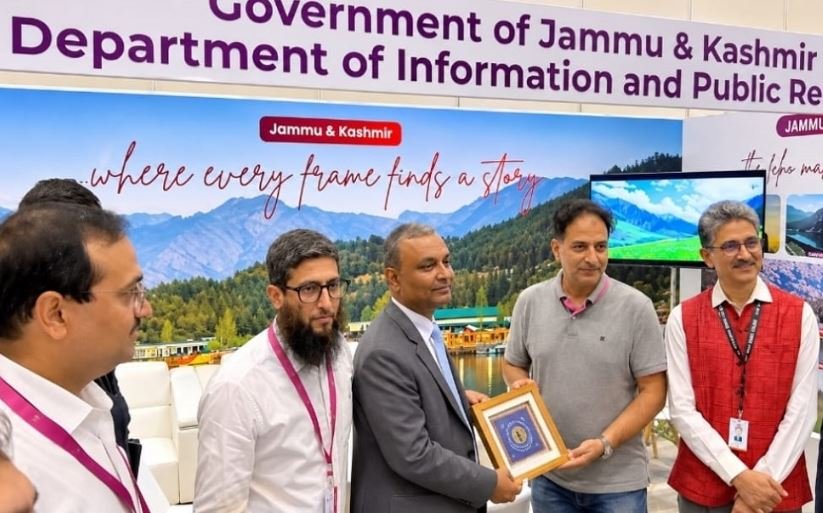
Jammu and Kashmir has always held a special place in Indian cinema. Its majestic mountains, beautiful valleys, serene lakes, and rich cultural traditions have inspired generations of filmmakers and captivated audiences across the country. Yet the region’s cinematic future holds possibilities far greater than its natural beauty. Cinema can become a meaningful source of employment, cultural expression, tourism promotion, and economic development. The participation of the Department of Information and Public Relations (DIPR) at the 57th International Film Festival of India in Goa is therefore a welcome initiative. It offers Jammu and Kashmir an opportunity to present itself not merely as a picturesque filming destination, but as a region capable of developing a vibrant and sustainable creative industry.
The visit of Union Information and Broadcasting Secretary Chanchal Kumar to the Jammu and Kashmir Stall reflects the importance of bringing the region’s filmmaking potential before national and international industry representatives. The government’s efforts to encourage film production, improve institutional support and facilitate professional collaboration are positive developments. Such initiatives can strengthen Jammu and Kashmir’s association with cinema while creating fresh opportunities for talented young people. However, attracting filmmakers requires more than showcasing breathtaking landscapes. Today’s film industry depends upon reliable infrastructure, efficient administrative procedures, professional technical services and a supportive working environment. Filmmakers need confidence that their projects can be completed smoothly, without unnecessary procedural difficulties. Continued improvements in production facilities, transportation, accommodation and coordination among government departments can make Jammu and Kashmir increasingly attractive to established production houses and independent filmmakers alike. The economic benefits could extend well beyond the entertainment industry. Every film production creates demand for hospitality services, transport, catering, local equipment, skilled workers and numerous supporting businesses. For Jammu and Kashmir, where creating sustainable employment opportunities remains an important priority, such activities can contribute meaningfully to local incomes. Small entrepreneurs, artisans and service providers can also benefit when film production becomes a regular economic activity rather than an occasional event. An equally important opportunity lies in nurturing local talent. Jammu and Kashmir has no shortage of creative individuals with the imagination and determination to succeed in filmmaking. What many require is access to professional training, modern equipment, mentorship and opportunities to work alongside experienced industry professionals. Universities, educational institutions and cultural organizations can play a constructive role by developing practical courses and partnerships that connect young people with the wider film industry. The region’s cultural richness deserves particular attention. Dogri, Kashmiri, Gojri, Pahari and other regional languages carry remarkable literary traditions, memories and stories that deserve a wider audience. Cinema can help preserve this inheritance while giving contemporary artists the freedom to interpret their surroundings and experiences. Encouraging locally produced films would ensure that Jammu and Kashmir is recognized not only for its landscapes but also for the originality and depth of its own creative voices. Film tourism presents another promising possibility. Popular films can inspire audiences to explore locations featured on screen, creating opportunities for tourism-related businesses across Jammu and Kashmir. However, this growth should respect the environment, local traditions and community interests. Well-planned tourism facilities, responsible filming practices and broader geographical promotion can ensure that economic opportunities reach lesser-known destinations without placing unnecessary pressure on fragile ecosystems. DIPR’s presence at IFFI is an encouraging platform for attracting attention, building professional relationships and communicating the government’s vision. The next important step is to translate this visibility into lasting partnerships, practical investment and opportunities that benefit local people.
Ultimately, Jammu and Kashmir’s cinematic progress should be measured not simply by how many films are produced here, but by how many young people find meaningful careers, how many local businesses prosper and how many regional stories reach wider audiences. The government can strengthen this vision through transparent filming permissions, affordable production facilities, specialized training, incentives for local participation and sustained engagement with industry professionals. Cinema has the power to connect places with people, preserve memories and create possibilities where few previously existed. If Jammu and Kashmir can combine its natural splendour with the talent, aspirations and cultural wisdom of its people, it will achieve something far more enduring than becoming a preferred shooting destination. It will build a creative future in which its people are not merely part of the scenery, but the storytellers, professionals and beneficiaries of their own progress.

