


Kanpur Launches Special Filariasis Prevention Campaign Across Four Blocks From November 18
Health authorities identify 5,476 filariasis patients in four blocks and begin a three-week mass drug administration programme, with household visits, preventive medication and post-treatment monitoring.
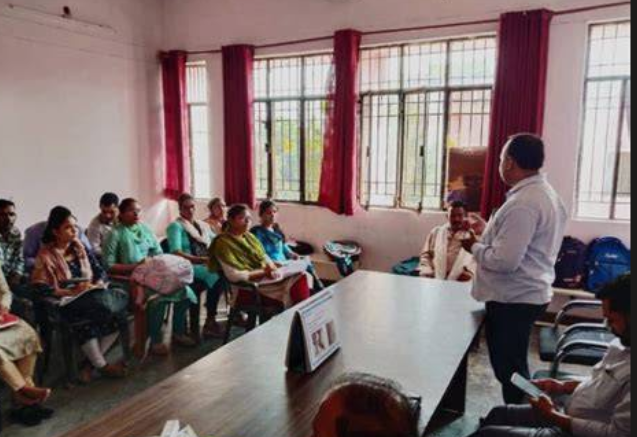
KANPUR, Nov 18: The health department in Kanpur Nagar has launched a special mass drug administration campaign across four blocks to strengthen efforts to control lymphatic filariasis, a mosquito borne disease that can cause long-term swelling, disability and serious physical complications.
The campaign, scheduled to run from November 18 to December 7, follows the identification of approximately 5,476 people affected by filariasis in the district. Health authorities have selected Bidhanu, Kakwan, Chaubepur and Bilhaur blocks for the special intervention.
Under the programme, healthcare teams will visit households across the identified areas and provide preventive medicines to eligible residents above five years of age. The initiative aims to improve coverage and reduce the risk of further transmission within affected communities.
The campaign will combine preventive medication with patient support, medical monitoring and awareness activities to strengthen the district’s response to the disease.
Health officials have emphasised that reaching households directly is important for ensuring that eligible residents receive the prescribed medicines and understand the purpose of the intervention.
Three-Medicine Combination to Be Used
According to Dr Ramit Rastogi, Additional Chief Medical Officer, the programme will use a combination of three medicines: Ivermectin, diethylcarbamazine (DEC) and Albendazole.
The combination, commonly referred to as IDA therapy, will be administered as part of the mass drug administration exercise.
Mass drug administration is a public-health strategy designed to reduce the presence of disease-causing parasites within communities by providing preventive medication to eligible populations.
The approach is particularly important in areas where filariasis transmission continues, as infected individuals may not immediately develop visible symptoms. Some people can carry the infection without recognising that they have been affected.
By reaching a large proportion of the eligible population, health authorities aim to reduce the reservoir of infection and interrupt further transmission.
Officials said household visits would help improve participation, particularly in areas where residents may have limited information about the disease or the importance of preventive treatment.
The medicines will be distributed under the supervision of health teams, with attention to eligibility requirements and the prescribed administration guidelines.
Helpline and Rapid Response Teams Arranged
To address concerns during the campaign, the health department has arranged a helpline and rapid response teams in the affected areas.
These facilities will be available to respond to complaints or health problems reported after medication is administered.
The arrangement is intended to provide residents with access to assistance and help health authorities respond promptly to any concerns arising during the programme.
Dr Rastogi explained that filariasis management involves two important approaches: Mass Drug Administration (MDA) and Morbidity Management and Disability Prevention (MMDP).
While MDA focuses on reducing transmission through preventive medicines, MMDP is directed towards people who are already experiencing complications associated with the disease.
The second approach includes providing affected individuals with necessary care kits and guidance on maintaining hygiene and looking after the parts of the body affected by the condition.
Such measures are important because lymphatic filariasis can lead to chronic health problems that may continue even after the infection has been controlled.
Patients experiencing swelling or other complications require ongoing care to prevent further deterioration and improve their quality of life.
Post-Treatment Assessment to Measure Impact
The health department has also planned a follow-up exercise to assess the effectiveness of the campaign.
Dr Santosh Verma of the medical college, who is responsible for post-treatment assessment, said his team would visit the affected areas after the administration of medicines.
The team will conduct surveys, examine the impact of the intervention and identify patients according to the severity of their condition and their individual treatment requirements.
This assessment will help officials understand the extent of the disease burden and identify individuals who may require additional medical support.
Monitoring after the campaign is an important component of disease-control activities because the distribution of preventive medicines alone does not address every problem associated with filariasis.
Some residents may already be experiencing long-term complications and will need continued care, hygiene support and medical guidance.
The follow-up exercise is also expected to provide information about the campaign’s coverage and help authorities identify areas where additional awareness or intervention may be necessary.
More Than One Lakh Patients Registered Across Uttar Pradesh
The situation in Kanpur reflects a wider challenge facing Uttar Pradesh, where filariasis continues to affect several districts.
According to information shared by Dr Verma, approximately 782 blocks across 51 districts of the state have been affected by the disease.
Around 1,03,530 patients have been identified and registered across Uttar Pradesh.
Of the registered patients, 97,676 are suffering from lymphoedema, while 5,854 have been identified with hydrocele.
These figures highlight the significant burden associated with the disease and the importance of strengthening both prevention and long-term patient management.
Lymphoedema occurs when damage to the lymphatic system interferes with the normal drainage of lymph fluid, resulting in persistent swelling. It commonly affects the legs but can also involve other parts of the body.
Hydrocele is another complication associated with lymphatic filariasis in which fluid accumulates around the testicle, causing swelling in the scrotal area.
Both conditions can affect mobility, physical comfort and daily activities. In severe cases, patients may experience considerable difficulty carrying out routine tasks.
Although preventive medicines can help reduce transmission, people already living with chronic complications require continued healthcare support.
Understanding the Disease and Its Transmission
Lymphatic filariasis is a parasitic infection transmitted through the bites of infected mosquitoes. The parasites enter the human body and can damage the lymphatic system, which plays an important role in maintaining fluid balance and supporting immune function.
The infection may remain without obvious symptoms for an extended period. However, repeated or long-term infection can eventually result in chronic swelling and other complications.
The disease is particularly challenging because visible symptoms may develop years after the initial infection.
In addition to physical difficulties, people living with advanced complications can experience social stigma and emotional distress. Swelling and disability may affect employment opportunities, social participation and personal independence.
Health awareness therefore remains an important part of prevention and treatment programmes.
Residents need to understand that filariasis is transmitted through infected mosquito bites and that preventive measures must be combined with appropriate medical care.
Reducing mosquito breeding locations, maintaining proper sanitation and preventing water accumulation can support broader efforts to control mosquito-borne diseases.
Healthcare workers also play a critical role in explaining the purpose of mass drug administration and encouraging eligible residents to participate.
Community Participation Essential for Disease Control
The Kanpur campaign is expected to rely heavily on cooperation between healthcare workers and residents.
Door-to-door visits will allow medical teams to reach households directly, provide information and improve access to preventive medicines.
However, the success of such programmes depends on sustained participation rather than medication distribution alone.
Residents must follow the instructions provided by authorised health workers and report any health concerns through the designated support arrangements.
People already affected by lymphoedema or hydrocele should also remain connected with healthcare facilities for appropriate management.
The distinction between preventing new infections and caring for existing patients is particularly important. While mass drug administration addresses transmission, morbidity management focuses on reducing the physical consequences of the disease.
Both approaches are necessary for an effective public-health response.
The district administration’s three-week programme will provide an opportunity to strengthen preventive coverage in the four identified blocks while assessing the medical needs of affected communities.
With more than one lakh registered filariasis patients across Uttar Pradesh, sustained surveillance, community awareness and regular healthcare support will remain essential.
The Kanpur initiative represents another effort to reduce the disease burden through coordinated household-level intervention, preventive medication and follow-up assessment.
Health authorities will need to maintain these efforts beyond the scheduled campaign period to ensure that affected residents continue receiving necessary care and that progress against filariasis is sustained.

