


Kantara: Chapter 1 Continues Strong Run at Box Office
Rishab Shetty’s prequel draws audiences with its larger scale, folklore-driven narrative and connection to the hit Kantara franchise.
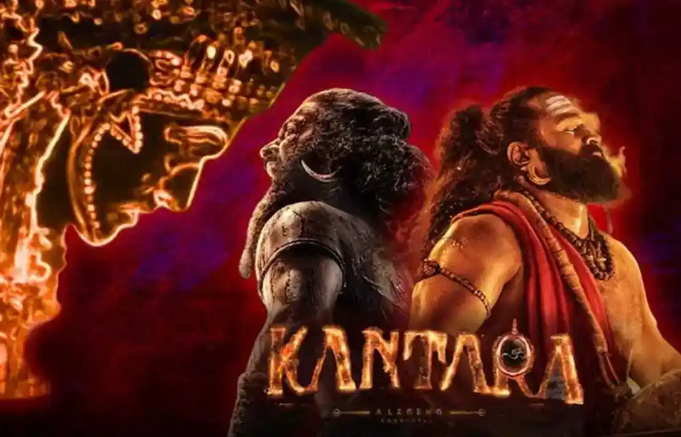
Mumbai, Oct 5: Rishab Shetty’s Kantara: Chapter 1 has continued to attract audiences at the box office, maintaining strong momentum after its theatrical release and emerging as one of the major Kannada language films of the year.
The prequel to the 2022 blockbuster Kantara has generated considerable interest because of the scale of its production, its connection with the original film and Shetty’s return as actor and director.
The latest instalment takes audiences further into the world created by Shetty, expanding the mythology and cultural setting that made the original Kantara a major success. Rather than simply extending the earlier story, the new film explores an earlier period and builds a broader narrative around the characters, traditions and conflicts associated with the fictional world.
The film’s theatrical performance has benefited from strong anticipation among fans of the original. Kantara had become a nationwide success after its release in 2022, with its distinctive combination of folklore, action, drama and spiritual themes helping it reach audiences well beyond Karnataka.
That success created significant expectations for the prequel.
Shetty has once again taken on multiple responsibilities for the project, serving as director and leading actor. The film has been mounted on a considerably larger scale, with extensive production design, action sequences and visual elements intended to recreate an earlier historical setting.
The response to the new film has also demonstrated the continued strength of regional cinema in India’s theatrical market.
Kannada films have increasingly found audiences outside Karnataka, particularly when their stories contain strong cultural identities while remaining accessible to viewers from other regions. Kantara was one of the most prominent examples of that trend, and the new chapter is attempting to build on the same nationwide appeal.
A major attraction has been the film’s visual presentation. The production seeks to create an immersive world using elaborate sets, costumes and action choreography. These elements are particularly important because the story is rooted in a period and environment that require a visual style different from contemporary cinema.
The film also places considerable emphasis on folklore and local traditions. This provides it with a distinct identity at a time when much mainstream Indian cinema is increasingly influenced by global storytelling styles.
The combination of mythology and commercial filmmaking has become one of the defining characteristics of the Kantara franchise.
Shetty’s performance remains at the centre of the project. His portrayal requires him to balance physical action with the emotional and spiritual aspects of the character, continuing the approach that became closely associated with his earlier work.
The film’s release has also generated discussions about the role of regional stories in the national entertainment market. Audiences across India are increasingly willing to watch films in languages other than their own when the subject, performances and production values create sufficient interest.
Subtitles, dubbing and digital promotion have further reduced linguistic barriers.
For the Kantara franchise, this has opened a much larger audience base than a conventional regional release might have enjoyed in the past.
The new film has also benefited from the reputation of its predecessor. The original Kantara developed a strong following through word of mouth, with audiences responding to its atmosphere and treatment of folklore.
That legacy has helped create anticipation around the prequel even before its release.
However, the new film is not dependent solely on nostalgia. Its story is positioned as an expansion of the franchise’s mythology, giving audiences additional context about the world that was introduced in the first film.
The scale of the production is another significant factor. Period and mythological films generally require greater investment in sets, costumes, visual effects and action design. The makers of Kantara: Chapter 1 have attempted to use those elements to create a cinematic experience designed for the big screen.
The film’s performance also comes during a period when Indian cinema is seeing renewed interest in stories based on local history, folklore and cultural traditions.
Such films can offer filmmakers an opportunity to tell distinctive stories while also creating large-scale commercial entertainment.
The success of Kantara demonstrated that audiences could respond strongly to this combination when the material was presented with conviction.
The prequel now faces the challenge of sustaining that interest over the coming weeks.
For exhibitors, the film’s continued audience turnout is important because strong regional-language releases can contribute significantly to theatrical business when they perform beyond their home market.
The film has also expanded the reach of Kannada cinema by attracting viewers who may not regularly watch Kannada-language productions.
That wider acceptance is one of the most important developments surrounding the franchise.
At the same time, the movie’s long-term box office performance will depend on weekday collections and audience retention. Opening interest can be driven by fans and curiosity, but sustained business requires the film to continue drawing families, younger viewers and general audiences after the initial weekend.
The coming days will therefore provide a clearer picture of the film’s theatrical trajectory.
For Rishab Shetty, the project represents another major step in his attempt to build a distinctive cinematic universe around regional folklore and cultural traditions.
The success of the original Kantara gave him a national platform, while the prequel provides an opportunity to explore the story on a larger scale.
With audiences continuing to turn up for the film, Kantara: Chapter 1 has established itself as an important theatrical release and another significant milestone for Kannada cinema.
Its performance will be closely watched by the industry as regional productions continue to compete for audiences across India.

