


Karnataka Directs Medical Colleges to Adopt Rural Hospitals, Centres
The initiative seeks to deploy specialist doctors at taluk level facilities and strengthen emergency, surgical and telemedicine services outside major cities.
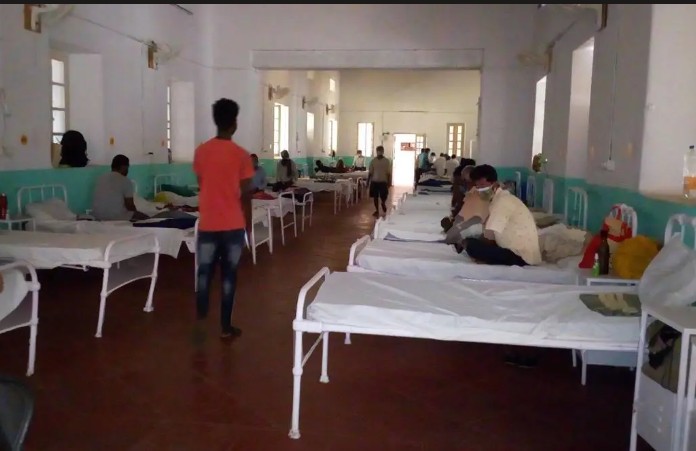
BENGALURU, Sept 12: The Karnataka government has directed every government and private medical college in the state to adopt one taluk hospital, one Community Health Centre and one Primary Health Centre as part of an effort to improve access to specialist medical services in rural areas.
The initiative, announced under the state government’s 100 day programme, is being jointly implemented by the Health and Family Welfare and Medical Education departments.
Under the plan, medical colleges will work with designated healthcare facilities to strengthen specialist services and reduce the pressure on district hospitals. Doctors from specialties including gynaecology, anaesthesia, paediatrics and orthopaedics are expected to provide services at the adopted institutions.
The programme will also focus on improving emergency treatment, surgical services and telemedicine facilities at the grassroots level.
The Health Department will enter into district-level agreements with participating medical colleges and appoint nodal officers to oversee implementation.
Specialist outpatient departments will be established at the selected facilities, with dedicated rooms, diagnostic services, operation theatres and supporting staff.
Officials said the approach is intended to make advanced medical expertise more accessible to patients living outside major urban centres. It could also help strengthen referral systems by enabling patients to receive specialist consultations and treatment closer to home.
The initiative comes amid persistent concerns over shortages of specialist doctors and uneven distribution of healthcare resources between urban and rural areas.
By linking medical colleges with taluk level institutions, the state government hopes to create a more integrated healthcare network and improve the capacity of smaller hospitals to handle cases that would otherwise be referred to district or tertiary centres.
The programme is also expected to provide medical colleges with a stronger role in community-based healthcare while allowing specialists and teaching institutions to contribute directly to services in underserved areas.

