


Kashmir shivers as Srinagar records season’s coldest night at minus 2.1 degrees Celsius
MeT predicts further temperature drop as Kashmir experiences early winter chill
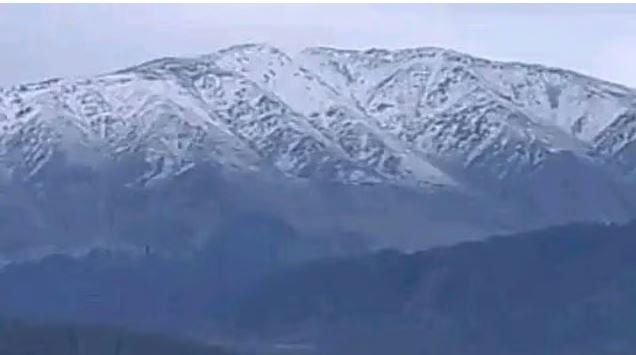
Srinagar, November 13: Kashmir Valley continued to experience a sharp decline in temperatures as the mercury dipped further across the region on Thursday. Srinagar recorded the coldest night of the season so far, with the minimum temperature dropping to minus 2.1 degrees Celsius, signalling an early intensification of the winter chill.
Pahalgam remained the coldest among the tourist destinations, registering minus 3.8 degrees Celsius, while the ski resort of Gulmarg recorded a minimum of 0.5 degrees Celsius. Officials from the Meteorological Department said the valley is likely to witness an additional drop in night temperatures in the days ahead. According to the department, dry weather is expected between November 13 and 15, followed by partly cloudy conditions on November 16, and another spell of dry weather from November 17 to 19.
Meanwhile, temperatures also dipped across the Jammu division, with Jammu city recording 10.2 degrees Celsius, Katra 9.5 degrees, Batote 2.9 degrees and Bhaderwah 1 degree as the minimum temperature. The wider region is gradually slipping into the winter phase, marked by longer nights and colder mornings.
With the cold wave tightening its grip, residents of the Valley have switched to traditional winter clothing. The iconic ‘Pheran,’ a loose woollen garment, has become a common sight, worn with the ‘Kangri,’ an earthen firepot encased in wicker that people carry beneath the Pheran to stay warm through the freezing months. These age-old practices continue to offer essential relief from the biting cold, particularly in areas where modern heating solutions remain limited.
Local doctors have advised senior citizens, children and individuals with respiratory issues to take precautions and avoid prolonged exposure to cold air. Medical experts warn that the sudden inhalation of icy air can aggravate chest ailments and weaken immunity, especially among those already vulnerable.
The Valley is now slowly inching towards the onset of the traditional winter period known as ‘Chillai Kalan,’ the harshest phase of winter, which begins on December 21 and ends on January 30. During this 40 day cycle, temperatures often plunge further, causing water bodies to freeze partially or completely. Drinking water taps often freeze solid, compelling residents to thaw them by lighting small fires around them. Days during Chillai Kalan are typically cold and often do not see temperatures rising above 7 degrees Celsius.

