


Kerala High Court Says Government Can Intervene Over Excessive Prices of Patented Cancer Drugs
The court asks the Centre to collect affordability data on two breast cancer medicines, potentially strengthening the government's ability to act when life-saving patented treatments remain beyond patients' reach.
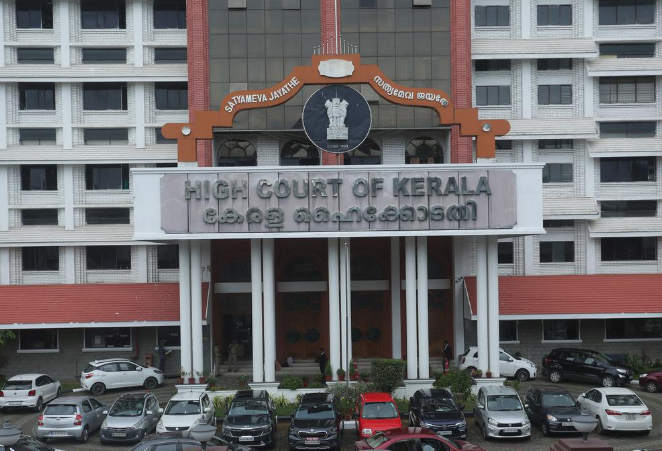
KOCHI, Sept 29: The Kerala High Court has ruled that the government can consider intervention when patented medicines are priced at levels that make essential treatment unaffordable for patients, raising an important issue over access to high-cost cancer drugs in India.
The court’s decision relates to two medicines used in the treatment of breast cancer abemaciclib and ribociclib. It directed the Centre to collect relevant information on the affordability of the medicines and examine whether action could be considered under provisions of the Patents Act.
The ruling addresses a difficult question confronting healthcare systems worldwide: how to ensure that innovative medicines reach patients when the cost of treatment remains beyond the financial capacity of many families.
Patented medicines are protected by intellectual property rights that can give manufacturers exclusive commercial rights for a specified period. Such protection is intended to encourage pharmaceutical research and development, but it can also result in medicines being sold at prices that are difficult for patients and healthcare providers to absorb.
The Kerala High Court’s observation is significant because it brings affordability into the discussion surrounding patented medicines. According to a report published by The Economic Times on September 29, the court said government intervention could be considered for prohibitively priced patented medicines and asked the Centre to gather information concerning the affordability of specific life-saving drugs.
Abemaciclib and ribociclib belong to a class of medicines known as CDK4/6 inhibitors. They are used in certain patients with hormone receptor-positive, HER2-negative advanced or metastatic breast cancer. By targeting proteins involved in cell division, these medicines can slow the growth and spread of cancer cells in appropriate patients.
Their use reflects the broader transformation of cancer treatment in recent years, with therapies increasingly tailored to the biological characteristics of individual tumours.
However, the availability of advanced treatment does not automatically translate into access for every patient. The price of medicines, diagnostic testing, hospital consultations and long-term treatment can together create a substantial financial burden.
Breast cancer is among the most commonly diagnosed cancers affecting women in India. Treatment may involve surgery, radiation, chemotherapy, hormone therapy, targeted medicines or combinations of these approaches, depending on the type and stage of the disease.
For patients with advanced disease, treatment may continue for extended periods. Consequently, the cost of medicines can become an important factor in whether patients are able to maintain therapy.
The High Court’s intervention therefore places the issue of affordability within a larger public-health context. The question is not limited to the price of a single prescription but concerns how healthcare systems can balance pharmaceutical innovation with access to treatment.
The court’s direction to the Centre to collect affordability data is also important because decisions involving government intervention require information about the actual economic burden on patients. Data on treatment costs, household income, availability of alternatives and the extent of unmet medical need can help authorities assess the impact of expensive medicines.
The case also brings attention to Section 100 of the Patents Act, a provision that can allow the government to use a patented invention for government purposes under specified circumstances. The legal provision forms part of India’s broader framework for balancing patent rights with public interest.
Government intervention in the pricing or use of patented medicines is, however, a complex issue. Pharmaceutical companies invest heavily in research, clinical development and regulatory approvals before new therapies reach the market. Intellectual property protection is intended to provide incentives for such investment.
At the same time, medicines are fundamentally different from ordinary consumer products because patients may have no practical alternative when a particular therapy is medically indicated.
This tension becomes particularly visible in cancer care, where newer medicines can offer additional treatment options but may carry significant costs.
For families facing advanced cancer, treatment expenses can extend beyond the cost of medicines. Regular consultations, blood tests, imaging, pathology investigations and management of treatment-related side effects can add to the overall financial burden.
The issue is particularly important in India, where a large proportion of healthcare expenditure can be paid directly by households. High-cost medicines can therefore affect treatment decisions, continuity of care and household finances.
The Kerala High Court’s direction does not itself amount to a government order reducing the prices of the two medicines. Instead, it requires the Centre to examine affordability and gather relevant information before considering possible action.
That distinction is important because any eventual intervention would have to follow the applicable legal and regulatory framework.
The case also illustrates the increasing role of courts in examining questions involving healthcare access, pharmaceutical pricing and public interest. Such cases can bring attention to areas where patients, doctors, pharmaceutical companies and government authorities have different concerns.
For cancer specialists, affordability is increasingly considered alongside clinical effectiveness when assessing access to treatment. A medicine can be clinically useful but have limited real-world impact if patients cannot obtain it consistently.
This makes the availability of affordable treatment options an important part of cancer-control strategies.
The development also comes amid broader efforts to improve cancer detection and treatment in India. Public-health programmes have increasingly focused on early diagnosis, awareness, screening and strengthening oncology services. Yet access to newer therapies remains uneven because specialised treatment and expensive medicines are not equally available across regions or income groups.
The court’s direction could therefore contribute to a wider policy discussion about how India approaches patented medicines that are considered essential for serious diseases.
Any future government decision will have to consider multiple factors, including the number of patients requiring the medicines, treatment costs, existing alternatives, patent rights, healthcare budgets and the potential effect on pharmaceutical innovation.
For patients, the central issue remains straightforward: whether a medically appropriate treatment can be obtained and continued without creating an unsustainable financial burden.
The Kerala High Court’s ruling has brought that concern into sharper focus by asking the Centre to examine the affordability of two important breast cancer medicines.
The next steps will depend on the data collected by the government and any action considered under the country’s patent and healthcare framework.
The case could consequently become an important reference point in India’s continuing debate over the balance between pharmaceutical innovation, intellectual property protection and affordable access to life-saving treatment.

