


Kriti Sanon Raises Alarm Over AI Deepfakes, Calls for Stronger Laws to Protect Celebrities
At the NDTV World Summit 2026, the actor warned that realistic AI-generated images are becoming increasingly difficult to distinguish from genuine photographs and urged legal safeguards to keep pace with technological advances.
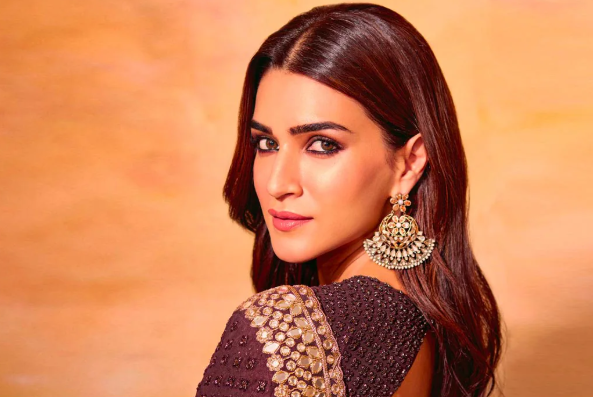
NEW DELHI, Oct 23: Bollywood actor Kriti Sanon has voiced concern over the growing misuse of artificial intelligence, warning that the technology could pose serious challenges to personal privacy, identity protection and the rights of public figures unless appropriate legal safeguards are introduced.
Speaking at the NDTV World Summit 2026, where she participated in a discussion on “The Making of a Modern Star”, Kriti described artificial intelligence as a powerful tool that could become dangerous when used without adequate safeguards. She stressed that technological progress must be accompanied by laws capable of addressing emerging forms of digital exploitation.
“AI scares me,” the actor said, adding that although she supported innovation, the speed at which the technology was developing raised questions about whether existing protections were sufficient.
Her remarks come at a time when increasingly sophisticated AI tools can generate realistic photographs, videos and other digital material featuring the faces and voices of people who may never have participated in their creation. Such material can be circulated on social media, sometimes without the knowledge or consent of the individuals depicted.
Kriti pointed to the growing difficulty of distinguishing genuine photographs from AI-generated images. According to her, the visual similarity between authentic and artificially created material has become a significant concern, particularly when a person’s likeness is reproduced without permission.
The actor argued that legislation needs to evolve alongside these capabilities rather than attempting to address the consequences only after misuse has occurred. She said the potential reach of artificial intelligence made it necessary to examine how individuals could report manipulated content and seek its removal.
One of the difficulties she highlighted was the absence of a clearly identifiable reporting option for AI-generated images on social media platforms. Referring to Instagram as an example, Kriti questioned how a user could specifically report an artificial image of themselves and request its removal.
Her concern reflects a broader debate over the responsibilities of technology companies in dealing with manipulated media. While platforms provide mechanisms to report certain categories of harmful content, users may find it difficult to identify the appropriate category when an image is artificially generated, misleading or used to impersonate someone.
For actors and other public figures, the issue extends beyond reputational damage. Their faces, voices and public identities can carry considerable commercial value, making unauthorised digital reproductions a potential threat to both personal rights and professional interests.
A fabricated image or video can also create a false impression that a celebrity has endorsed a product, made a statement or participated in an event. Even when such material is later identified as artificial, its initial circulation may cause confusion and harm that can be difficult to reverse.
Kriti’s comments are particularly relevant to the ongoing discussion surrounding personality rights in India. These rights broadly concern an individual’s ability to protect identifiable aspects of their identity, including their name, image, likeness and voice, against unauthorised use. Publicity rights are closely associated with the commercial exploitation of those attributes.
The actor has already approached the Delhi High Court seeking protection against the unauthorised use of her identity, including through AI-generated material. In proceedings reported earlier this month, the court asked her legal team to submit relevant judgments and research papers before the next hearing, scheduled for October 29.
No final ruling on her request had been reported as of October 23. The legal proceedings therefore remain separate from her latest public comments, although both highlight concerns about the protection of identity in an increasingly AI-driven digital environment.
The issue is not limited to the entertainment industry. Journalists, business leaders, politicians, content creators and ordinary social media users can also be affected by realistic impersonation and manipulated imagery. The ability to reproduce someone’s appearance or voice with limited technical expertise has widened the potential reach of such misuse.
For the film industry, the debate also raises questions about consent and the use of digital replicas in productions, advertisements and promotional campaigns. Actors may need greater clarity over how their likenesses can be used, whether permission is required for particular applications and what remedies are available when their identity is exploited outside agreed terms.
At the same time, artificial intelligence has legitimate applications in filmmaking, editing, visual effects, dubbing and other creative processes. The challenge, therefore, is not simply to restrict the technology but to establish safeguards that allow innovation while protecting individual rights.
Kriti’s position reflects this distinction. She expressed support for technological advancement while cautioning that powerful tools require responsible use and effective regulation. Her remarks placed particular emphasis on the gap between the rapid development of AI capabilities and the pace at which legal and platform-level protections are being adapted.
The discussion also underlines the importance of clearer reporting procedures, timely action on complaints and greater transparency when digitally generated content is presented as authentic. For people whose identities are widely recognised, an effective response may require cooperation between lawmakers, technology companies, legal institutions and the entertainment industry.
As AI-generated content becomes more convincing, the ability to establish authenticity is likely to become an increasingly important concern for both audiences and creators. Clearer standards could help users identify manipulated material while giving individuals a more accessible way to challenge unauthorised representations of themselves.
Kriti’s intervention at the summit has brought the debate back into public focus, highlighting the need to balance technological innovation with consent, accountability and privacy. With her personality-rights case awaiting further consideration by the Delhi High Court, the questions she raised are also part of a wider legal discussion about how existing protections should respond to emerging digital threats.

