


Low Adult Vaccination Coverage in India Raises Concerns Over Preventable Diseases Among Senior Citizens
Limited awareness and poor uptake of vaccines against influenza, pneumonia and shingles leave older adults vulnerable to serious infections, highlighting the need for stronger preventive healthcare and wider immunisation campaigns.
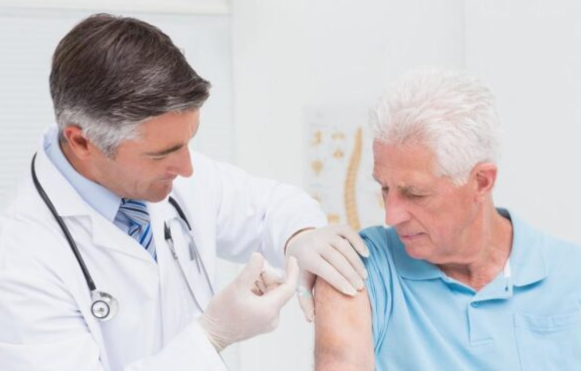
India : India’s healthcare system continues to face challenges in expanding vaccination coverage beyond childhood, with a significant proportion of adults, particularly senior citizens, remaining unprotected against several vaccine-preventable diseases. Limited awareness, inadequate recommendations from healthcare professionals and low acceptance of adult immunisation have emerged as major concerns for public health experts.
The issue has gained renewed attention ahead of World Immunisation Day on November 10, with growing calls to strengthen preventive healthcare services and encourage vaccination among older populations. While childhood immunisation programmes have received considerable attention through government initiatives and public health campaigns, vaccination among adults has not achieved comparable visibility.
Influenza, pneumococcal infections and shingles are among the illnesses that can pose serious health risks to elderly people. These conditions can lead to complications, hospitalisation and prolonged recovery, particularly among individuals whose immune systems become less effective with age.
Health experts have repeatedly highlighted the importance of protecting older adults through timely vaccination. However, awareness about the availability and benefits of these vaccines remains limited in several sections of society.
The situation reflects a broader gap in India’s preventive healthcare approach, where medical attention is often sought after symptoms develop rather than through regular health assessments and preventive interventions.
A widening gap in adult immunisation
India has made substantial progress in childhood vaccination through routine immunisation programmes, but adult vaccination remains relatively neglected. Many people continue to associate immunisation primarily with infants and young children, overlooking the protection that vaccines can provide during adulthood and old age.
As life expectancy increases and the elderly population expands, the need for age-appropriate preventive healthcare is becoming increasingly important. Older people are more likely to experience complications from infectious diseases because immunity can weaken with advancing age.
Influenza, commonly known as seasonal flu, can cause severe illness in older adults, especially those with underlying medical conditions. Although many infections result in mild symptoms, complications can include pneumonia, worsening of existing heart or lung conditions and hospitalisation.
Pneumococcal disease is another significant concern. It can cause pneumonia, bloodstream infections and meningitis, with older adults facing a higher risk of severe outcomes.
Shingles, caused by the reactivation of the virus responsible for chickenpox, is also more common among ageing populations. The condition can produce a painful skin rash and, in some cases, prolonged nerve pain that may continue even after the rash disappears.
Vaccines are available to reduce the risk of several of these infections and their complications. However, their benefits are not sufficiently understood by many people, contributing to low uptake.
Lack of awareness remains a major obstacle
One of the principal barriers to adult immunisation is inadequate public awareness. Many senior citizens are unaware that vaccines against influenza, pneumococcal disease and shingles may be recommended for their age group or health circumstances.
Unlike childhood vaccination, which is routinely discussed during paediatric visits and supported by established immunisation schedules, adult vaccination often depends on individuals seeking information or receiving recommendations during medical consultations.
Healthcare professionals play an important role in addressing this gap. General physicians, specialists and community health workers can help identify people who may benefit from vaccination and explain the importance of preventive protection.
However, vaccination discussions may not always form part of routine consultations, particularly when patients visit hospitals for immediate health concerns.
Experts believe that integrating adult immunisation into regular health check-ups could improve awareness and encourage more people to consider vaccination.
Senior citizens visiting hospitals for diabetes, hypertension, respiratory conditions or cardiovascular problems could also be assessed for their vaccination needs. Such an approach would make preventive healthcare a regular component of medical treatment rather than an occasional intervention.
Ageing population increases the importance of prevention
India’s demographic transition is making elderly healthcare a growing public health priority. An increasing number of people are living longer, creating greater demand for healthcare services related to chronic illnesses, age-associated conditions and infectious diseases.
Older adults frequently manage more than one health condition simultaneously. An infection that may cause mild symptoms in a younger person can result in serious complications for someone with weakened immunity or an existing medical problem.
Hospitalisation can also have consequences beyond the immediate illness, including reduced mobility, loss of independence and increased healthcare expenditure.
Preventive vaccination can help reduce the burden of certain infections and limit the risk of severe disease. It may also help reduce avoidable pressure on hospitals, particularly during periods when seasonal infections increase demand for medical services.
The growing elderly population therefore makes adult immunisation an important part of long-term healthcare planning.
The role of families and healthcare providers
Family members can play an important role in improving vaccination awareness among older people. In many households, senior citizens depend on younger family members for medical appointments, information and healthcare decisions.
Families can encourage elderly relatives to discuss vaccination with qualified doctors during routine consultations. They can also help maintain medical records and ensure that recommended doses and follow-up appointments are not overlooked.
Doctors, meanwhile, need to communicate the benefits and limitations of available vaccines in a clear and understandable manner. Recommendations should consider age, medical history, existing conditions, previous vaccination and individual risk factors.
Vaccination decisions should be made in consultation with qualified healthcare professionals rather than through self-medication or unverified information circulating on social media.
Public health campaigns could also improve awareness by using television, newspapers, digital platforms and community outreach programmes to explain the importance of adult immunisation.
Special attention may be required in rural areas and among economically disadvantaged communities, where access to specialist advice and preventive healthcare facilities can be limited.
Strengthening preventive healthcare services
Improving adult vaccination coverage requires coordinated efforts involving government agencies, hospitals, medical associations and community organisations.
Healthcare facilities could introduce routine vaccination assessments for older patients and maintain records of recommended immunisations. Such measures would help doctors identify gaps and provide appropriate guidance.
Public health authorities could also consider expanding awareness programmes through primary healthcare centres and community-based services.
Another important requirement is improving access to reliable information about vaccine availability, eligibility, costs and potential side effects. Clear communication can help address misconceptions and build confidence in vaccination.
India’s preventive healthcare strategy must increasingly recognise that immunisation is not limited to childhood. Protection against infectious diseases remains important throughout life, particularly for people who face greater health risks because of age or underlying medical conditions.
As World Immunisation Day brings renewed attention to vaccination, the challenge for the healthcare sector will be to translate awareness into practical action. Greater participation by doctors, families and public health institutions could help close the adult immunisation gap and protect vulnerable populations from preventable illnesses.
The focus on senior citizens also highlights the need for a healthcare system that prioritises early prevention, regular screening and timely medical intervention alongside treatment.
Research findings reveal extremely low uptake
The scale of the problem is reflected in a multicentre study involving 4,998 people aged 60 and above across Chennai, Ballabgarh, Kolkata and Pune. The research found that only 1.4 per cent of participants had ever received an influenza vaccine.
Awareness was similarly limited, with just 19.7 per cent of respondents reporting that they had heard about influenza. Only 35.9 per cent considered vaccines safe, while 65.3 per cent were unwilling to pay for vaccination.
The study, published in BMC Public Health in 2026, also identified the importance of affordability in improving immunisation. When vaccines were provided free of charge through community health camps, uptake increased to 29.7 per cent.
These findings suggest that the challenge extends beyond the availability of vaccines. Financial barriers, insufficient information and concerns about safety can all influence whether older people choose to receive immunisation.
A separate study published in Influenza and Other Respiratory Viruses in April 2026 estimated that influenza among Indians aged 60 and above accounted for approximately 5.3 million respiratory infections, 36,149 hospitalisations and 84,613 deaths in 2021.
Researchers also found that introducing an annual influenza vaccination programme for older adults could be cost-effective under most of the scenarios examined.
Dr Neetu Jain, senior consultant in pulmonology, critical care and sleep medicine at PSRI Hospital, highlighted the substantial burden associated with influenza and pneumococcal infections among older Indians. She noted that vaccination could help reduce serious complications and improve health outcomes.
Evidence regarding pneumococcal vaccination is also gaining attention. A study published in Infectious Diseases and Therapy in October 2026 examined the cost-effectiveness of a single dose of the 20-valent pneumococcal conjugate vaccine, known as PCV20, for older adults and people at increased risk. It found that the vaccine could be a cost-effective option compared with existing vaccination approaches.
Shingles protection also needs greater attention
Apart from respiratory infections, shingles is another condition requiring greater attention in India’s ageing population.
The disease develops when the varicella-zoster virus, which causes chickenpox, becomes active again after remaining dormant in the body. Its risk increases with age and weakened immunity.
Shingles can cause painful blisters and a burning sensation, sometimes followed by post-herpetic neuralgia, a condition involving persistent nerve pain even after the skin rash has healed.
A 2026 paper in the Indian Journal of Community Medicine highlighted the shortage of comprehensive population-based information on shingles in India, while referring to an estimate of approximately 45 lakh cases annually.
An Indian Phase-3 clinical trial of the recombinant zoster vaccine, published in the journal Vaccine in 2025, reported an immune response in 85.7 per cent of participants aged 50 and above.
Doctors have also emphasised that vaccination recommendations should cover more than influenza and pneumococcal disease. Depending on age and individual health circumstances, adults may also need to discuss shingles, tetanus, diphtheria, hepatitis B and other recommended vaccines with their healthcare providers.
State-level initiatives offer a possible way forward
Some states have begun exploring broader approaches to immunisation throughout life. Goa launched its Life-course Immunisation Policy 2026–2036 in September, identifying influenza, pneumococcal disease and hepatitis B vaccination among its priorities for elderly people, individuals with chronic illnesses, immunocompromised patients and healthcare workers.
Such initiatives could provide a framework for expanding preventive healthcare beyond the traditional focus on childhood immunisation.
India’s challenge will be to ensure that awareness programmes are supported by accessible vaccination services, affordable options and consistent medical advice.
The latest findings underline the importance of treating adult immunisation as an essential component of public health planning. Protecting older citizens from preventable infections can help reduce avoidable hospital admissions, preserve independence and improve quality of life.
As the country marks World Immunisation Day, the focus on vaccination across all age groups offers an opportunity to address longstanding gaps and strengthen preventive healthcare.

