


Madhya Pradesh Town Grapples with Toxic Waste Linked to UK Company: Report
Decades after an asbestos plant was established in Kymore, residents continue to face concerns over hazardous waste and suspected long-term health impacts.
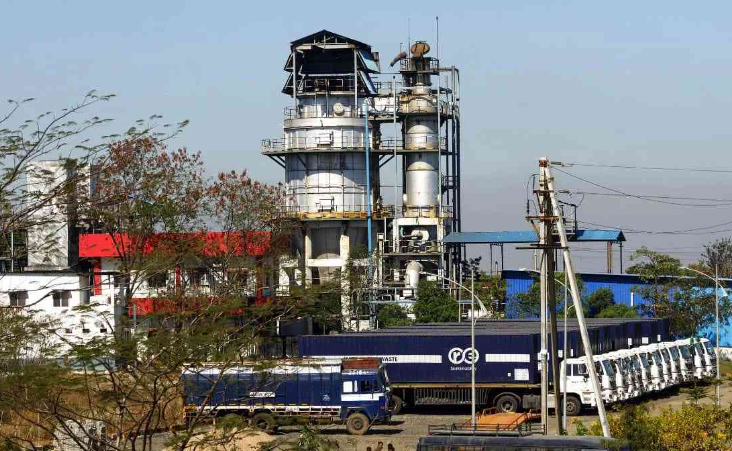
LONDON, September 17: A Madhya Pradesh town continues to grapple with the legacy of hazardous asbestos waste left behind by a British industrial company, with UK media reporting that large quantities of contaminated material remain scattered across Kymore decades after the factory’s operations.
According to an investigation by ITV News, an estimated one million tonnes of asbestos waste linked to former British industrial giant Turner & Newall remains in and around the town. The report said asbestos contaminated soil, dust and debris can still be found in areas including playgrounds, sports grounds, residential neighbourhoods and open land.
The investigation highlighted concerns among residents and medical professionals over the potential health consequences of prolonged exposure to asbestos fibres.
Dr Muralidhar Venkiteswaran, a specialist who has diagnosed residents in the area over several years, told ITV News that he had encountered numerous people suffering from asbestos-related illnesses. He warned that affected families could face prolonged respiratory problems, cancer and significant medical expenses.
ITV News reporter Sam Holder said the investigation found asbestos fragments in areas where people live and move around regularly. The reporter also used specialist respiratory protection after being advised about the potential risks associated with airborne asbestos fibres.
The programme also followed residents who believe their health problems are connected to exposure during childhood or through living close to contaminated areas.
One such case involved Somesh, a man in his forties who was reportedly diagnosed with advanced cancer after childhood exposure to asbestos in a school playground. Dr Muralidhar said the disease had spread extensively and expressed concerns about the patient’s limited life expectancy.
The investigation also examined historical records from the 1970s that shed light on concerns within Turner & Newall about workplace exposure. In one document, a company doctor reportedly urged management to provide Indian workers with better protection and ensure they were informed about the dangers associated with asbestos.
The doctor warned that workers should not be left to discover the risks themselves, citing tragedies involving asbestos exposure elsewhere in the world.
Turner & Newall went on to become one of Britain’s major industrial companies before collapsing in 2001 following extensive asbestos-related litigation in the UK and the United States. Compensation arrangements were subsequently established for some victims.
However, campaigners have raised concerns that no adequate provision was made for the removal of the asbestos waste reportedly left across Kymore.
The findings have also drawn a response from the UK government. A government spokesperson described the allegations as shocking and expressed sympathy for people who had lost relatives as a result of asbestos exposure.
The spokesperson said British companies are expected to respect human rights and environmental standards throughout their operations and supply chains. The government also said it was considering findings from a review of the UK’s approach to responsible business conduct.
The situation in Kymore has renewed questions about the long-term environmental responsibilities of companies and the management of industrial waste after factories cease operations.

