


Madhya Pradesh Transfers Rs 502 Crore Under RTE Scheme to 20,456 Private Schools
More than 8.19 lakh students from economically weaker and disadvantaged backgrounds are expected to benefit from the fee reimbursement programme, while a new government school building opens in Narsinghpur.
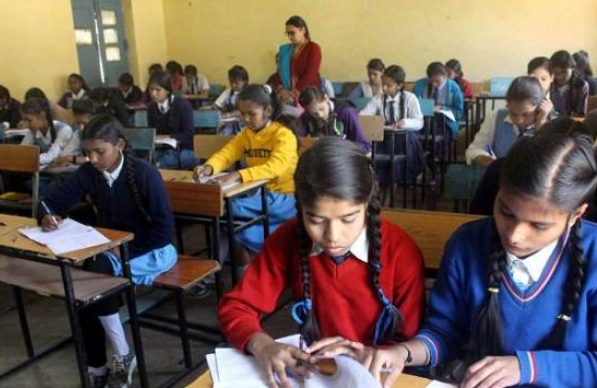
BHOPAL, Oct 12: The Madhya Pradesh government has transferred Rs 502 crore to 20,456 private schools under the Right to Education (RTE) Act to reimburse fees for the 2024–25 academic year, a move aimed at supporting free schooling for children from economically weaker and disadvantaged sections.
The payment is expected to benefit more than 8.19 lakh students enrolled in eligible private schools across the state. The reimbursement programme is designed to help schools recover the fees associated with educating children admitted under the RTE provisions, while ensuring that financial difficulties do not prevent eligible students from accessing education.
Chief Minister Mohan Yadav presided over the fund transfer through a single-click transaction during a programme held in Narsinghpur district on October 11. School Education Minister Uday Pratap Singh, local representatives and other officials were also associated with the event.
The initiative forms part of the state’s continuing efforts to expand educational access and support children whose families may otherwise struggle to meet schooling expenses.
RTE reimbursement to support students across the state
The Right to Education Act provides for free and compulsory elementary education for children aged six to 14. Under the applicable provisions, eligible children from disadvantaged groups and economically weaker sections can secure admission to specified private schools at the elementary level, subject to the prescribed rules.
The government reimburses eligible schools for the fees covered under the scheme. The money is paid to the institutions rather than directly to students or their parents.
The latest transfer covers the 2024–25 academic session and involves thousands of schools operating in different parts of Madhya Pradesh. The scale of the payment highlights the administrative and financial effort required to implement an education programme involving a large number of students and private institutions.
For participating schools, timely reimbursement can help meet the costs associated with providing education to children admitted under the scheme. For families, the arrangement is intended to reduce the financial barriers that can limit access to schooling.
The programme is particularly relevant for households that cannot afford regular private-school fees but seek educational opportunities for their children beyond those available through their immediate circumstances.
The scheme’s effectiveness, however, also depends on the accurate identification of eligible beneficiaries, verification of school records and timely settlement of reimbursement claims. These processes help ensure that public funds reach the institutions entitled to receive them.
More than Rs 3,600 crore released since 2011
According to figures reported by the state government, Madhya Pradesh has released more than Rs 3,600 crore in RTE-related fee reimbursements since the scheme began operating in the state in 2011.
The cumulative assistance has supported more than 16.85 lakh students over the years, reflecting the programme’s reach across the state’s school education system.
The latest Rs 502-crore transfer represents another major payment under the initiative. Its impact will depend on how effectively schools use the reimbursement to sustain educational services for eligible children and ensure that their admission and learning opportunities remain protected.
The RTE framework seeks to promote access to elementary education regardless of a child’s economic background. By sharing the financial responsibility for eligible admissions, the scheme creates a mechanism through which private schools can participate in efforts to widen educational opportunities.
Nevertheless, access to a school place is only one part of the educational process. Regular attendance, appropriate teaching, learning materials, adequate infrastructure and student support also influence whether children benefit fully from their education.
The reimbursement system therefore works alongside the broader responsibility of schools and education authorities to maintain standards and provide an environment in which students can learn effectively.
New Sandipani school building inaugurated
The Narsinghpur programme also featured the inauguration of a new building for Government Sandipani Utkrisht Vidyalaya, constructed at a reported cost exceeding Rs 45 crore.
The institution has been developed to provide education from Kindergarten 1 through Class 12, allowing students to progress through multiple stages of schooling within a single institutional framework.
The campus includes digital classrooms, science laboratories, a computer laboratory and a library. It also has facilities such as a multipurpose hall, an auditorium and playgrounds intended to support activities beyond routine classroom instruction.
Transport facilities are another component of the school’s infrastructure, helping students travel to and from the institution.
The new building reflects the state’s effort to improve the physical environment in which school education is delivered. Well-equipped classrooms and laboratories can support practical learning, while libraries and digital resources can provide students with additional opportunities to explore subjects and develop independent study habits.
Science laboratories are particularly important for enabling students to connect theoretical lessons with experiments and demonstrations. Similarly, computer facilities can help them develop digital literacy, which has become increasingly relevant across higher education and employment.
The availability of spaces for sports and extracurricular activities can also contribute to students’ broader development by encouraging teamwork, physical activity and participation in school life.
However, infrastructure alone cannot determine educational quality. The benefits of a modern campus depend on effective teaching, regular maintenance, adequate staffing and the meaningful use of available facilities.
Sandipani initiative focuses on school infrastructure
The Sandipani Vidyalaya initiative is intended to strengthen school education through improved infrastructure and learning resources.
Institutions developed under such programmes seek to provide students with access to facilities that may not be available in every school. Digital teaching tools, laboratories and libraries can broaden learning opportunities when integrated into classroom activities.
A school serving students from the early years through Class 12 can also provide continuity across different educational stages. This arrangement may help students and parents plan their academic progression while allowing the institution to develop programmes suited to different age groups.
The Narsinghpur campus is designed to accommodate students across a wide age range, making classroom management, age-appropriate facilities and support services important elements of its day-to-day functioning.
The school has also recorded an academic achievement. According to information shared by the government, student Mahi Sahu secured a place on the Class 12 merit list during the 2025–26 academic year.
Such achievements draw attention to the role of student effort, teacher guidance and institutional support in academic performance. They also underline the importance of combining infrastructure development with consistent teaching and learning practices.
Financial support and infrastructure development
The two initiatives highlighted during the Narsinghpur programme address different aspects of the education system.
The RTE reimbursement programme supports the participation of eligible children in private schools by covering prescribed fees. The Sandipani school project, meanwhile, focuses on providing modern facilities within a government institution.
Both approaches aim to widen educational opportunities, although their implementation requirements differ. Reimbursement programmes require accurate records, eligibility checks and financial accountability. School infrastructure projects require effective planning, construction oversight, staffing and ongoing maintenance.
For students and parents, the practical measure of success will be whether these initiatives improve access to dependable education and create better conditions for learning.
Financial support can ease the burden associated with school fees, while improved facilities can provide additional learning resources. Yet these benefits need to be accompanied by strong classroom instruction, student assessment and support for children who encounter learning difficulties.
Education authorities must also ensure that the benefits of public spending are distributed according to the relevant rules and that schools receiving reimbursement fulfil their responsibilities towards eligible students.
Importance of continued monitoring
The latest payment under the RTE scheme brings renewed attention to the need for transparent implementation and effective monitoring of public education programmes.
Authorities must maintain reliable information about participating schools, eligible students and reimbursement claims. Clear procedures can help reduce administrative delays and make it easier to identify discrepancies that require attention.
Schools, for their part, must ensure that children admitted under the applicable provisions receive the educational services and treatment to which they are entitled. The broader objective is not simply to facilitate admission but to support meaningful participation in school education.
Similarly, the new Sandipani building will require continued attention to the availability of teachers, maintenance of laboratories and digital equipment, and effective use of classrooms and other facilities.
The Madhya Pradesh government’s Rs 502-crore reimbursement transfer and the inauguration of the Narsinghpur school building represent two separate efforts to support education in the state. Their longer-term value will depend on implementation, accountability and the educational outcomes achieved for students.
By combining financial assistance for eligible children with investment in school infrastructure, the state aims to strengthen access to education and improve the learning environment. Continued monitoring will be important to determine how effectively these measures translate into sustained benefits for students and families.

