


MEA: Doval Raises Safety of Indian Seafarers, Tankers With Iranian Counterpart
India and Iran discussed bilateral ties and the volatile West Asian situation during an October 12 phone call, with New Delhi stressing the need to protect Indian nationals and vessels.
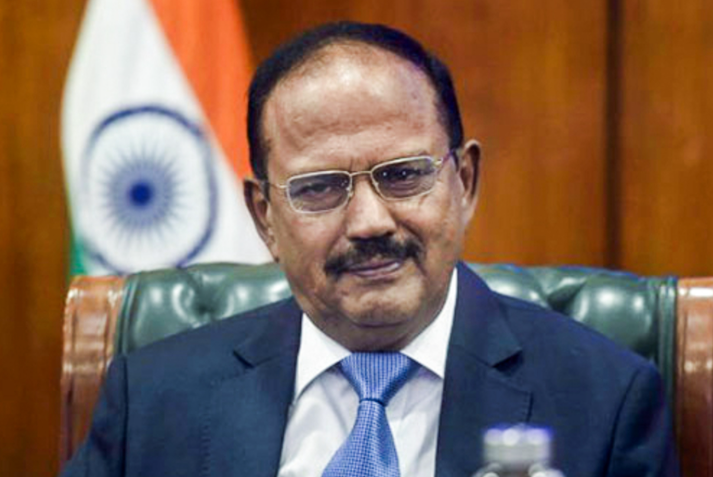
NEW DELHI, October 14: The safety of Indian seafarers and tankers was discussed during a telephone conversation between National Security Advisor Ajit Doval and Mohsen Rezaei, Secretary of Iran’s Supreme National Security Council, the Ministry of External Affairs (MEA) said on Wednesday.
MEA spokesperson Randhir Jaiswal said the October 12 conversation covered bilateral matters, the regional security situation and international developments amid continuing tensions in West Asia.
Responding to questions about whether India had raised attacks on Indian-flagged vessels in the Strait of Hormuz, Jaiswal confirmed that the protection of Indian maritime personnel and tankers was taken up during the discussion.
The talks come as New Delhi remains concerned about repeated attacks on merchant vessels in the Gulf of Oman and the Strait of Hormuz, key waterways for international energy supplies and commercial shipping.
India has consistently called for an end to attacks on civilians and civilian infrastructure across the Gulf region. On Wednesday, it condemned attacks targeting civilian infrastructure in Saudi Arabia, describing such incidents as completely unacceptable and urging that they stop immediately.
The government has also reiterated its commitment to safeguarding the welfare and security of Indian nationals living and working overseas. India has maintained that dialogue and diplomacy remain essential to resolving the widening West Asian crisis.
India-US Trade Negotiations Continue
Addressing the proposed India-US bilateral trade agreement, Jaiswal said External Affairs Minister S Jaishankar had discussed the matter at the Bloomberg New Economy Forum. He added that both countries remained engaged in efforts to reach a mutually beneficial agreement.
Jaishankar said on Tuesday that negotiations were moving towards a possible conclusion, while emphasising that the fundamental elements of the India-US strategic partnership remained unchanged. Both sides continue to work towards resolving differences on the proposed trade arrangement.
Jaiswal was also asked whether the H-1B visa issue and recent remarks by the US vice president would feature in discussions during US Secretary of State Marco Rubio’s upcoming visit to India. The spokesperson said several bilateral issues would be discussed.
The US State Department announced that Rubio would visit India the following week, with energy cooperation among the areas expected to receive attention.
India and Canada Seek Stronger Economic Ties
On Prime Minister Narendra Modi’s expected visit to Canada and the possibility of concluding a trade agreement before the trip, Jaiswal said the fifth round of negotiations for the proposed Comprehensive Economic Partnership Agreement (CEPA) had taken place in Ottawa approximately a week earlier.
He said both countries remained committed to securing an agreement that would benefit both sides.
Modi spoke with Canadian Prime Minister Mark Carney on Tuesday and described their conversation as warm and productive. The two leaders agreed to build on the positive momentum in bilateral relations.
Canadian Foreign Minister Anita Anand, who is visiting India, also met Modi on Wednesday. The prime minister said they had a productive discussion on expanding cooperation in trade, technology and energy.
India Calls for Action on Communal Incidents in Bangladesh
Asked about concerns raised by the Bangladesh Hindu Buddhist Christian Unity Council over recent communal incidents, Jaiswal said India expected the Bangladeshi authorities to address the issues.
The spokesperson did not provide further details but reiterated New Delhi’s expectation that the concerns would receive appropriate attention from the neighbouring country.
BIMSTEC Countries Adopt Delhi Declaration
Commenting on the BIMSTEC Home Ministers’ Meeting held in New Delhi on Tuesday, Jaiswal said representatives from all member countries participated in the discussions.
The meeting concluded with the adoption of the Delhi Declaration, which reaffirmed the members’ commitment to strengthening cooperation in several security-related areas.
These include counterterrorism, combating narcotics trafficking and enhancing cooperation against money laundering. Jaiswal expressed hope that the inaugural dialogue would help deepen security cooperation among BIMSTEC members.
India Rejects UN Human Rights Office’s Remarks
Jaiswal also criticised comments by the Office of the United Nations High Commissioner for Human Rights in Geneva concerning the recent detention of thousands of protesters in Delhi.
He described the remarks as unwarranted and unacceptable, arguing that they amounted to interference in India’s internal affairs.
The spokesperson accused the office of applying what he called an approach of extreme selectivity, warning that such conduct could weaken confidence in multilateral institutions and undermine the organisation’s credibility.
India’s response reflects its broader position that international institutions should address human rights concerns consistently and respect national sovereignty.
The MEA briefing covered a range of diplomatic and security matters, with maritime safety in West Asia remaining a key concern for New Delhi amid continuing regional instability.

