


Middle East Diplomacy Faces Fresh Uncertainty as Iran Suspends Talks with US
Regional tensions intensify after Tehran pauses indirect negotiations, while Washington insists diplomatic channels remain active.
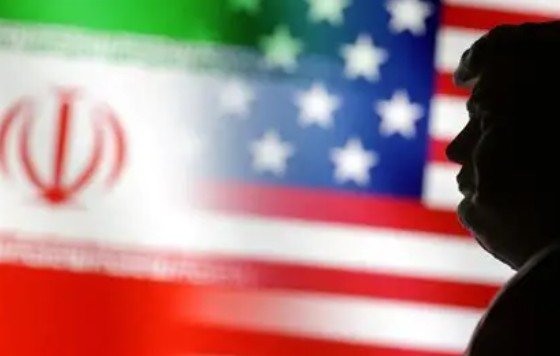
US, June 02 : The fragile diplomatic process aimed at reducing tensions between the United States and Iran entered a new phase of uncertainty on June 1 and 2 after Tehran announced the suspension of indirect negotiations with Washington. The move came amid escalating military activity in Lebanon and growing concerns over the broader stability of the Middle East.
Iranian media reports indicated that the country’s negotiating team had halted communications through mediators, citing Israeli military operations in Lebanon as a violation of conditions linked to previous ceasefire understandings. Iranian officials argued that continued attacks in Lebanon undermined efforts to advance regional peace and security.
Despite Tehran’s position, U.S. President Donald Trump maintained that discussions with Iran were continuing at a rapid pace. The White House expressed optimism that diplomacy could still prevent further escalation and potentially lead to a wider agreement addressing regional security concerns.
The disagreement over the status of negotiations has generated uncertainty across diplomatic circles. Analysts note that both sides continue to face significant challenges, including security concerns, sanctions issues, and the ongoing conflict involving Iran-backed groups in the region.
The latest developments are closely tied to the situation in Lebanon, where tensions between Hezbollah and Israel have intensified. Iran has repeatedly linked its diplomatic engagement with Washington to broader regional developments, arguing that peace efforts cannot be separated from events on the ground.
Global markets have also reacted cautiously. Investors are monitoring developments because any breakdown in negotiations could affect energy supplies, shipping routes, and overall regional stability. The Strait of Hormuz, a crucial passage for global oil shipments, remains a focal point of concern.
Diplomatic observers believe the coming days will be critical. While public statements from Tehran and Washington appear contradictory, many experts suggest backchannel communications may still be ongoing. International mediators are expected to continue efforts to keep negotiations alive and prevent a wider conflict.
The suspension of talks highlights the complex relationship between diplomacy and regional security. With multiple actors involved and several active conflict zones across the Middle East, reaching a comprehensive agreement remains a difficult task. Nevertheless, many governments continue to view dialogue as the most viable path toward long-term stability.
As the situation evolves, world leaders are urging restraint from all parties. The outcome of the current diplomatic standoff could have significant implications not only for the Middle East but also for global energy markets and international security.

