


Middle East Tensions Raise Global Economic Concerns as Oil Markets Remain on Edge
Geopolitical uncertainty fuels fears over energy supplies, trade routes and worldwide economic stability
WASHINGTON, June 7: Rising tensions in the Middle East have once again drawn global attention, with policymakers, investors and international organizations closely monitoring developments that could affect energy markets and economic growth worldwide.
The latest concerns stem from continued instability involving regional powers and the strategic waterways that play a critical role in global energy transportation. Market participants remain focused on the security of shipping routes that handle a substantial portion of the world’s oil and gas supplies.
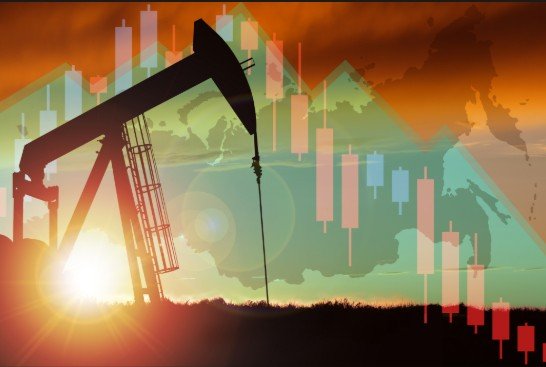
Energy analysts warn that prolonged uncertainty could lead to sustained volatility in crude oil prices. Recent market movements have reflected investor concerns about potential disruptions to supply chains, with traders responding to geopolitical developments and changing risk assessments.
International financial institutions have highlighted the broader economic implications of elevated energy costs. Higher oil prices can increase transportation expenses, contribute to inflationary pressures and affect consumer spending patterns across both developed and emerging economies.
Governments around the world are evaluating contingency measures to mitigate potential disruptions. Several countries have reviewed strategic petroleum reserves and explored alternative supply arrangements to ensure energy security in the event of further escalation.
The situation has also renewed discussions about diversification of energy sources. Policymakers argue that investments in renewable energy, energy efficiency and alternative fuel technologies can reduce dependence on volatile international markets and enhance long-term resilience.
Economic experts note that global markets are particularly sensitive to developments in the Middle East because of the region’s central role in energy production. Even limited disruptions can influence commodity prices, financial markets and business confidence worldwide.
Humanitarian organizations have expressed concern about the broader consequences of prolonged instability. Rising fuel costs often affect food prices, transportation networks and essential services, placing additional burdens on vulnerable populations already facing economic challenges.
The international community continues to encourage diplomatic engagement aimed at reducing tensions and preventing further escalation. World leaders have repeatedly emphasized the importance of dialogue, regional cooperation and adherence to international norms in addressing disputes.
Financial markets have responded cautiously to recent developments. While investors remain alert to potential risks, many analysts believe that coordinated international efforts could help prevent severe disruptions and stabilize market sentiment.
Energy companies are also monitoring the situation closely, assessing operational risks and preparing contingency plans. Industry leaders have emphasized the importance of maintaining uninterrupted supply chains and protecting critical infrastructure.
Experts suggest that the coming weeks will be crucial in determining whether tensions ease or continue to impact global markets. Much will depend on diplomatic initiatives, regional security conditions and the willingness of stakeholders to pursue de-escalation measures.
Despite ongoing uncertainty, economists remain cautiously optimistic that the global economy possesses sufficient resilience to manage short-term shocks. However, they warn that prolonged instability could create additional challenges for countries already dealing with inflation, trade disruptions and slowing growth.
As governments, businesses and international institutions monitor developments, the focus remains on preserving stability in one of the world’s most strategically significant regions. The outcome of current diplomatic and security efforts is likely to influence energy markets and economic prospects far beyond the Middle East.
With oil prices remaining a key indicator of geopolitical risk, policymakers around the globe will continue to watch the region closely in the days ahead, seeking to balance economic interests with broader security concerns.

