


Minister Muniyappa Urges Hotels to Hold Off for a Week Amid LPG Shortage
Karnataka Faces Commercial LPG Crunch: Minister Muniyappa Appeals for a Week’s Patience
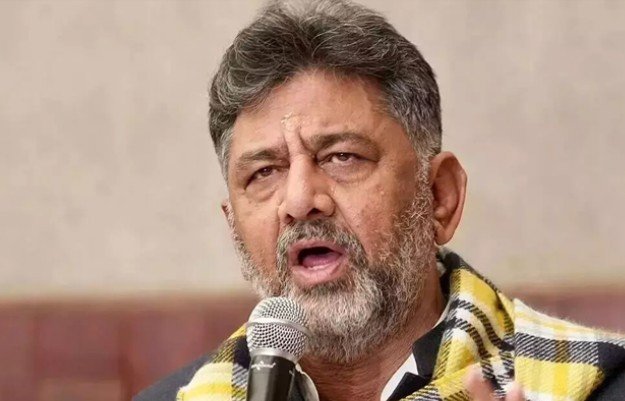
Bengaluru: Karnataka is grappling with a severe shortage of LPG cylinders for commercial use, prompting the state government to urge hotels and eateries to adopt temporary alternatives while prioritising essential sectors, Food and Civil Supplies Minister K H Muniyappa said on Wednesday. The shortage, caused by delays in international shipments, has left the state with only about 1,000 cylinders for restaurants, dhabas, and industries.
Temporary Measures for Commercial Establishments
Addressing the Legislative Council, Muniyappa asked hotel owners to manage operations using electricity or other means for the next week while the state consolidates existing stock. “We are in a war like scenario. Hoteliers must adjust temporarily, even if it means switching to electricity,” he said, stressing that supplies will be streamlined to increase availability to around 10,000–15,000 cylinders over the next week.
Priority for Domestic and Essential Use
Household LPG supply will remain unaffected, with daily consumption at approximately 3.5 lakh cylinders. Muniyappa outlined the allocation for critical sectors:
4,200 cylinders for educational institutions, student hostels, hospitals, and other essential facilities.
1,200 cylinders for government-run units, airport and railway canteens, bus stations, and Indira canteens.
500 cylinders for seed processing, food processing, agriculture, pharmaceutical, fisheries, sports, and allied industries.
National Supply Constraints
The minister attributed the shortage to global supply bottlenecks, noting that 16 LPG shipments are currently stuck overseas. The Centre has capped commercial allocations at 20 percent of total demand, which translates to around 9,000 cylinders against a daily requirement of 44,000.
Government’s Strategy and Consultations
Muniyappa confirmed ongoing discussions with hoteliers and industry associations to ensure equitable distribution and emphasised that temporary relief measures would continue through the Assembly session. “We cannot provide more than 50 percent of their requirement during this period, but we have made arrangements considering the urgency,” he added.

