


Moderna-Merck Cancer Vaccine Shows Promise in Reducing Melanoma Recurrence
New findings indicate that a personalised cancer vaccine combined with immunotherapy could help lower the risk of melanoma returning after treatment.
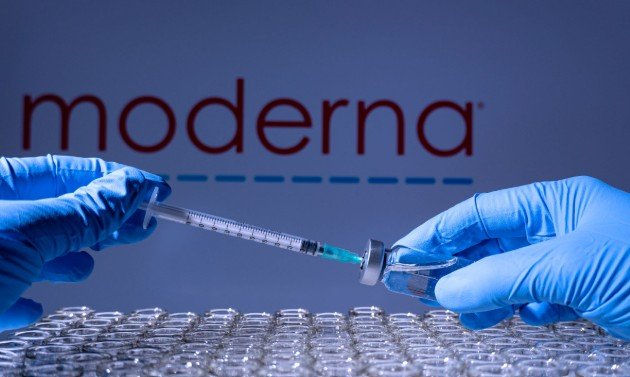
New Delhi, Aug 22: A personalised cancer vaccine developed by Moderna and Merck has shown encouraging results in helping reduce the risk of melanoma recurrence when combined with the immunotherapy drug Keytruda, according to findings reported on August 21.
The treatment approach combines a vaccine tailored to the individual characteristics of a patient’s tumour with pembrolizumab, the active ingredient in Keytruda. Researchers are examining whether the combination can strengthen the immune system’s ability to recognise and attack cancer cells that remain after initial treatment.
Melanoma is an aggressive form of skin cancer that can return even after a tumour has been surgically removed. Preventing recurrence remains a major challenge in the management of patients at higher risk.
Vaccine targets tumour-specific changes
Unlike conventional vaccines designed to prevent infectious diseases, the experimental cancer vaccine is personalised for each patient.
It is designed using genetic information from the patient’s tumour to identify mutations that can potentially be recognised by the immune system. The objective is to train immune cells to identify cancer cells carrying those specific tumour markers.
Researchers believe this approach could provide a more targeted immune response while complementing existing cancer therapies.
Combination therapy under study
The vaccine is being evaluated alongside Keytruda, an established immunotherapy that helps the immune system attack cancer by blocking a protein used by tumours to evade immune responses.
Early findings have generated interest because the combination performed better than Keytruda alone in reducing the likelihood of melanoma returning.
However, further research and longer-term follow-up will be necessary to determine how durable the benefits are and which patients are most likely to respond.
The results add to growing interest in personalised immunotherapy and the use of tumour-specific genetic information to develop new cancer treatments.

