


NASA Targets 2028 for Astronauts’ Return to the Moon
NASA chief Jared Isaacman says the agency is accelerating preparations, with SpaceX and Blue Origin developing lunar landers for the planned return of American astronauts to the Moon.
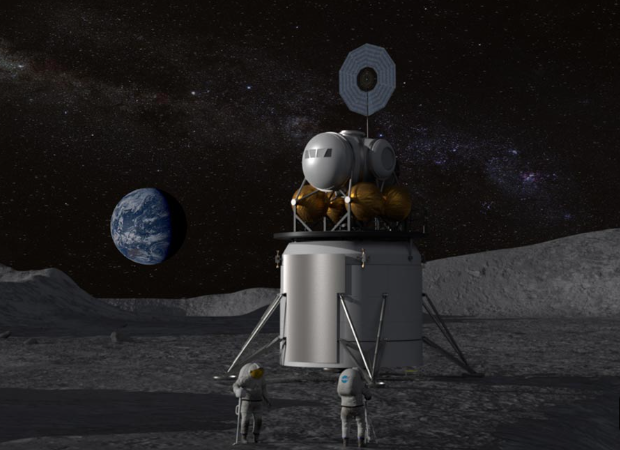
WASHINGTON, Oct 24: The US National Aeronautics and Space Administration (NASA) has reaffirmed its goal of landing astronauts on the Moon in 2028 under its Artemis programme, with the Artemis IV mission expected to play a key role in returning American crews to the lunar surface.
NASA Administrator Jared Isaacman said the agency was accelerating development work and revising technical requirements to improve the mission’s chances of meeting the proposed timeline while maintaining safety standards.
The plan includes deploying a lunar rover and establishing the initial infrastructure needed to support a sustained human presence on the Moon.
Isaacman said NASA was working to ensure that the necessary equipment and systems would be ready when astronauts make their anticipated return to the lunar surface.
NASA’s Artemis programme manager Jeremy Parsons said the agency was pursuing parallel development of lunar landing systems through two private-sector partners, SpaceX, founded by Elon Musk, and Blue Origin, founded by Jeff Bezos.
Both companies are developing lunar landers intended to transport astronauts from lunar orbit to the surface. NASA plans to assess their progress before deciding which provider will support the crewed landing.
Parsons said the agency was focused on meeting the 2028 objective and would delay its final selection for as long as practicable to allow both contractors to demonstrate their capabilities.
The parallel-development strategy is intended to maintain competition and give NASA greater flexibility as it prepares for the mission. However, achieving the schedule will depend on technical readiness, safety evaluations and the successful completion of critical testing.
The Artemis programme is central to NASA’s broader plans for human exploration beyond Earth orbit. Its objectives include returning astronauts to the Moon, advancing scientific research and developing technologies that could eventually support crewed missions to Mars.
The proposed landing in 2028 would mark a major milestone in those efforts, although the timetable remains dependent on the readiness of spacecraft, landers and supporting infrastructure.
NASA’s latest announcement signals its determination to accelerate preparations while keeping astronaut safety at the centre of mission planning.

