


North Korea Fires Missile Barrage Into Sea Amid Rising Tensions With South Korea
The latest weapons tests come amid a worsening border dispute, renewed threats of propaganda broadcasts and Pyongyang’s efforts to strengthen ties with China.
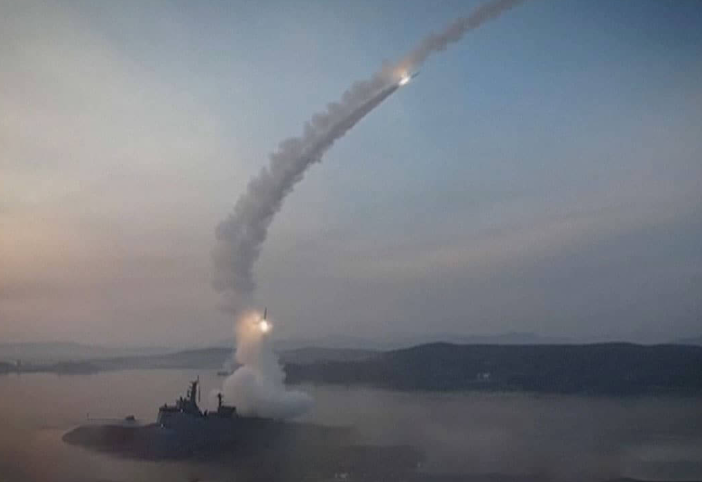
SEOUL, October 29: North Korea fired around 10 short-range ballistic missiles towards the sea on Thursday, South Korea’s military said, as tensions between the two countries continued to escalate over border security and military activities.
South Korea’s Joint Chiefs of Staff detected the launches from Wonsan, a coastal town in North Korea’s east. Seoul said it had strengthened its surveillance measures and was exchanging information with the United States and Japan to monitor the situation.
The missile launches came days after Pyongyang threatened to resume propaganda broadcasts through loudspeakers near the inter-Korean border and deploy additional weapons systems in the area. The latest developments have raised concerns about the possibility of further military confrontations between the neighbours.
The tests also followed North Korean leader Kim Jong Un’s visit to China over the weekend, where he reiterated his commitment to strengthening bilateral cooperation with Pyongyang’s principal ally.
Border Dispute Deepens Military Tensions
Relations between the two Koreas have deteriorated following land mine explosions last month that injured three South Korean soldiers.
Seoul accused North Korea of planting mines south of the Military Demarcation Line, which it said caused the September 21 explosions. Pyongyang denied responsibility and warned that it would retaliate if provoked.
The incident added to longstanding tensions along the heavily fortified border separating the two countries, which remain technically at war because the 1950–53 Korean War ended with an armistice rather than a peace treaty.
Last week, North Korea announced plans to restart propaganda broadcasts and deploy new weapons systems near the border. It said the measures were a response to what it described as repeated warning shots fired by South Korean troops in border areas.
South Korea subsequently proposed talks aimed at clarifying the border situation and preventing accidental military clashes. However, North Korea had not responded to the proposal as of Thursday.
The absence of dialogue has heightened concerns that incidents involving troops operating near the border could trigger further confrontation.
Series of Weapons Tests Raises Concerns
Thursday’s launches were the latest in a series of North Korean weapons tests conducted in recent weeks. The recent activities have included submarine-launched cruise missiles and hypersonic missile tests, reflecting Pyongyang’s continued efforts to develop and demonstrate its military capabilities.
Short-range ballistic missiles can be used to threaten targets across the Korean Peninsula, making such tests a significant concern for South Korea and the United States.
The latest launches are also likely to draw attention to regional security cooperation involving Seoul, Washington and Tokyo. The three countries have strengthened their coordination in response to North Korea’s expanding missile programme and other military activities.
South Korea’s military said it was maintaining heightened vigilance following Thursday’s launches. The exchange of information with its allies is intended to help assess the missiles’ characteristics and monitor any further developments.
North Korea frequently conducts weapons tests to demonstrate its military capabilities and signal its position in regional security disputes. However, the precise objectives behind Thursday’s launches were not immediately established.
Analysts See Possible Diplomatic Pressure on Washington
Experts believe North Korea may be using its weapons programme to increase pressure on Washington as US President Donald Trump has expressed interest in restoring diplomatic engagement with Kim.
Pyongyang has sought recognition of its strategic position and changes to the terms under which negotiations might resume. Its missile tests and military demonstrations could serve as leverage in any future discussions.
However, the prospects for renewed diplomacy remain uncertain as military tensions continue and differences over North Korea’s nuclear programme persist.
Washington and Pyongyang previously engaged in high-level negotiations during Trump’s first presidency, but those efforts failed to produce a lasting agreement on denuclearisation.
Any renewed diplomatic initiative would face the challenge of reconciling North Korea’s security demands with the United States’ concerns about its nuclear and missile capabilities.
Kim Jong Un Seeks Closer Ties With China
Kim’s visit to China over the weekend provided another indication of Pyongyang’s efforts to strengthen relations with its most important political and economic partner.
On Saturday, the North Korean leader travelled to the Chinese border city of Dandong across a newly inaugurated bridge. He visited a memorial honouring Chinese support for North Korea during the Korean War.
Kim described the relationship between the two countries as an “invincible” friendship and pledged to continue developing bilateral ties.
He later met senior Chinese Communist Party official Wang Huning, reaffirming his commitment to expanding cooperation between Pyongyang and Beijing.
The visit was Kim’s sixth trip to China since he assumed power in late 2011, underscoring the strategic importance of the relationship for North Korea.
China remains central to North Korea’s economic links and diplomatic position, providing Pyongyang with an important channel for trade and international engagement.
Shift in North Korea’s Foreign Policy
Kim’s latest outreach to Beijing comes after several years in which North Korea placed greater emphasis on strengthening relations with Russia.
Pyongyang has supplied troops and ammunition in support of Russia’s war against Ukraine, deepening military cooperation between the two countries.
The renewed engagement with China suggests that North Korea is seeking to maintain and expand its partnerships with both Beijing and Moscow rather than relying on a single external ally.
Closer ties with China could provide Pyongyang with additional diplomatic support as it confronts pressure over its weapons programme and relations with South Korea and the United States.
For Beijing, maintaining influence over North Korea remains an important consideration in regional security, particularly amid strategic competition with Washington.
Nevertheless, the extent to which China can influence Pyongyang’s military decisions remains uncertain.
Regional Security Outlook Remains Uncertain
Thursday’s missile launches highlight the continuing risks facing the Korean Peninsula, where military exercises, weapons development and disputes over border incidents have repeatedly strained relations.
South Korea’s proposal for talks indicates an effort to reduce the risk of accidental clashes, but the lack of a response from Pyongyang leaves a major diplomatic obstacle unresolved.
The renewed threat of propaganda broadcasts could further aggravate tensions, as similar campaigns have previously prompted retaliatory measures by both sides.
Meanwhile, North Korea’s continued missile development presents an ongoing challenge for regional security cooperation. South Korea, the United States and Japan are expected to remain closely engaged in monitoring Pyongyang’s military activities.
The combination of border friction, weapons testing and shifting diplomatic relationships means that the risk of further escalation cannot be ruled out.
Whether the latest developments lead to additional military demonstrations or create an opening for renewed dialogue will depend on the decisions taken by Pyongyang, Seoul and their respective partners in the coming days.
For now, South Korea’s military remains on heightened alert as regional governments assess the implications of North Korea’s latest missile barrage.

