


Oil Prices Slide to Multi-Month Lows as Hormuz Shipping Concerns Ease
Improving maritime traffic and expectations of stronger Middle East supply push crude markets lower, offering relief to inflation hit economies.
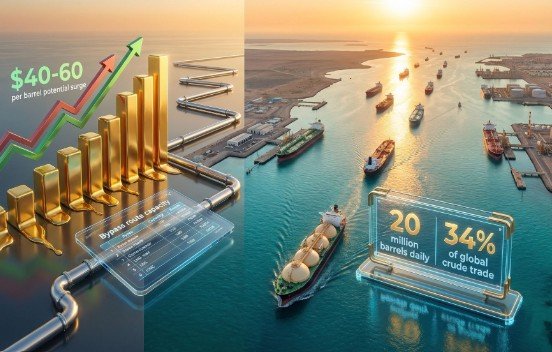
NEW DELHI, June 25: Global oil markets witnessed a sharp decline over the past two days as concerns over disruptions in the Strait of Hormuz eased and traders increasingly bet on improved energy supplies from the Middle East. The fall in crude prices has emerged as one of the most significant business developments this week, influencing stock markets, inflation expectations and investor sentiment across the world.
Brent crude and West Texas Intermediate (WTI) futures extended losses on June 24 and June 25, touching levels not seen since before the escalation of tensions in the Gulf region. Market analysts attributed the decline primarily to the resumption of tanker movements through the Strait of Hormuz and optimism surrounding diplomatic engagements involving Iran and regional stakeholders.
The Strait of Hormuz remains one of the world’s most important energy corridors, handling a substantial share of global oil exports. Any threat to navigation in the waterway typically triggers volatility in energy markets. However, the latest signs of stability have reassured investors that supply disruptions may not be as severe as previously feared.
Energy traders noted that improving shipping movements and expectations of increased crude exports from the region have weakened fears of shortages. As a result, benchmark oil contracts continued to move downward, creating a favorable environment for oil-importing nations.
For India, lower crude prices could provide significant economic benefits. Reduced import costs may ease pressure on fuel retailers and improve the country’s trade balance. Economists believe sustained moderation in oil prices could also support efforts to keep inflation under control and strengthen consumer spending.
The decline in crude prices has had a positive effect on equity markets. Investors welcomed the prospect of lower energy costs, which could improve corporate profitability across sectors such as aviation, logistics, manufacturing and consumer goods. Businesses that rely heavily on transportation and fuel-intensive operations stand to benefit the most.
Global central banks are also closely monitoring developments. Lower energy prices often help reduce inflationary pressures, potentially giving policymakers more room to maintain supportive growth measures. While inflation remains a concern in several major economies, easing oil costs could improve the overall outlook for businesses and households alike.
Industry experts caution that geopolitical risks have not disappeared entirely. Any deterioration in regional security conditions or disruptions to shipping lanes could quickly reverse recent gains. Nevertheless, the current trend suggests markets are becoming more confident about energy supply stability.
The coming weeks will determine whether the latest decline represents a temporary correction or the beginning of a longer period of moderate oil prices. For now, businesses, consumers and governments around the world are likely to welcome the relief offered by cheaper crude.

