


Omar Abdullah says DC order on Zakat followed plea of Muslim leaders
Zakat regulation backed by local clerics, not political directive: Omar
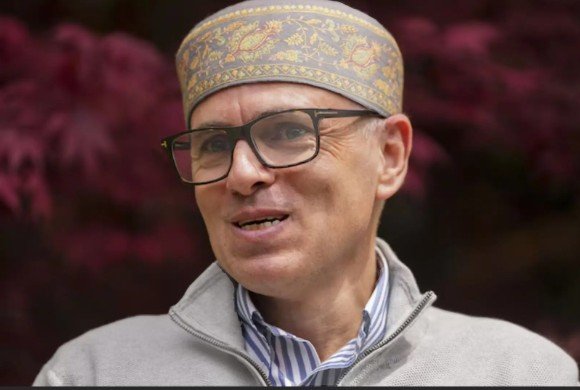
- Kishtwar order aimed at curbing fake NGOs, not religious interference: CM
JAMMU, Feb 20: Chief Minister Omar Abdullah on Thursday appealed for political maturity and restraint after an order issued by the Deputy Commissioner of Kishtwar regarding the regulation of Zakat collection sparked a controversy in the Assembly. He urged legislators to refrain from politicising every administrative decision and clarified that the move was taken following a direct plea from Muslim community leaders in the district.
Speaking in the House immediately after Question Hour, the Chief Minister raised a point of order to respond to concerns voiced by Congress MLAs Nizamuddin Bhat and Ghulam Ahmed Mir, who had criticised the recent administrative directive regulating donations during the holy month. Omar said he personally examined the issue to ascertain whether the administration had overstepped its mandate in matters of religion.
He stated that the Deputy Commissioner of Kishtwar did not act arbitrarily or under political pressure. Instead, the order was issued after repeated representations from local Muslim religious leaders during pre Ramzan preparatory meetings. According to the Chief Minister, community representatives expressed serious concern over the growing number of unauthorised and fraudulent entities collecting donations in the name of charity.
Omar said these so called fake NGOs were exploiting the sanctity of the holy month to solicit funds from well meaning donors. In some cases, he noted, money was reportedly collected in the name of patients who did not exist. The religious leaders, he added, approached the district administration seeking intervention to ensure transparency and protect both donors and genuine charitable organisations from reputational and financial harm.
Far from being viewed as interference in religious affairs, the Chief Minister said the order had received formal support from the Imam of Kishtwar’s Jama Masjid, local maulvis and other prominent religious bodies in the region. He emphasised that the administration’s role was limited to preventing misuse of public contributions and ensuring that funds meant for relief and welfare purposes were not misappropriated.
The district authorities, in their order, cited statutory obligations to safeguard public donations from diversion, laundering or use for unlawful activities. The regulation, they maintained, was aimed at streamlining the process and introducing accountability in fundraising practices during a period when charitable giving traditionally rises.
Responding to criticism from some opposition members, including Aga Syed Muntazir Mehdi of the People’s Democratic Party, who described the move as administrative overreach, the Chief Minister said it was important to examine the context before drawing conclusions. He stressed that governance decisions are often taken after consultations with stakeholders and are not necessarily politically motivated.
“I would request members not to do politics on everything,” Omar said, urging lawmakers to look at the details and intent behind administrative actions. He reiterated that safeguarding the integrity of charitable contributions was in the interest of the community itself.
The Chief Minister’s remarks were acknowledged across party lines, with members from both treasury and opposition benches listening closely to the clarification. As the debate unfolded, Omar underscored that the government remains sensitive to religious sentiments but also has a duty to protect citizens from fraud and ensure lawful conduct. The episode, he suggested, should serve as a reminder that political discourse must be guided by facts, consultation and collective responsibility rather than immediate reaction.

