


Over 12 Lakh Households Across 11 States and UTs Complete Self-Enumeration for Census 2027
Digital participation gains momentum as field verification phase begins across multiple states and Union Territories
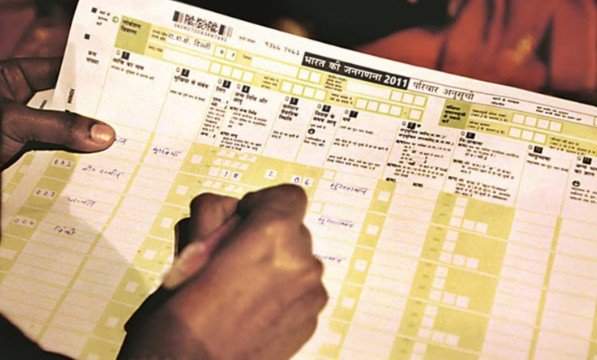
NEW DELHI: India’s ambitious population data exercise for Census 2027 has entered a critical phase, with nearly 12 lakh households across 11 states and Union Territories completing the self enumeration process during the houselisting operations (HLO) stage. Officials noted a sharp surge in participation over the last few days, with more than half of these households opting for digital self enumeration within a short span.
The initial self enumeration window has now concluded in several regions, including the Andaman and Nicobar Islands, Goa, Karnataka, Odisha, parts of the National Capital Region under NDMC and cantonment zones, as well as Mizoram, Sikkim, and Lakshadweep. With this phase wrapped up, authorities are set to roll out the next stage involving on ground data collection.
Beginning Thursday, enumerators will initiate door to door surveys in these regions to verify and expand upon the information submitted digitally. This field operation is scheduled to continue for a month, concluding on May 15. Officials emphasized that while digital participation marks a positive trend, it still represents only a small fraction of the total households, making physical verification essential.
The houselisting operations phase plays a foundational role in the overall census process. It focuses on gathering detailed information about housing conditions, availability of amenities, and household characteristics. This data is considered vital for shaping policy decisions, enabling targeted welfare initiatives, and improving infrastructure planning.
A spokesperson from the Ministry of Home Affairs highlighted that comprehensive coverage through enumerator visits will ensure accuracy and inclusivity, particularly in areas where digital access remains limited. The hybrid approach combining self-enumeration with field verification is aimed at enhancing both efficiency and reliability.
Meanwhile, the self-enumeration process remains active in other parts of the country. In Gujarat and the Union Territory of Dadra and Nagar Haveli and Daman and Diu, residents can participate digitally until April 19. Uttarakhand has a slightly extended timeline, with the window open until April 24.
Looking ahead, the next wave of self-enumeration will begin in several states, including Andhra Pradesh, Arunachal Pradesh, Haryana, Chandigarh, Madhya Pradesh, and Chhattisgarh starting Monday. Bihar is set to follow with its rollout on Friday.
Officials believe that increasing awareness and ease of access to digital platforms will further boost participation in the coming weeks. However, they reiterate that enumerator led surveys will remain the backbone of the exercise, ensuring that no household is left uncounted.
As Census 2027 progresses, the integration of technology with traditional data collection methods reflects a significant shift in India’s approach to large-scale demographic surveys. The success of this blended model could set a precedent for future nationwide data initiatives.

