


Pakistan Outclass India in Hong Kong Sixes, Chase 89-Run Target in Just 3.5 Overs
Abbas Afridi smashes five consecutive sixes in a 31-run opening over as Pakistan chase India's 89-run target in just 3.5 overs.
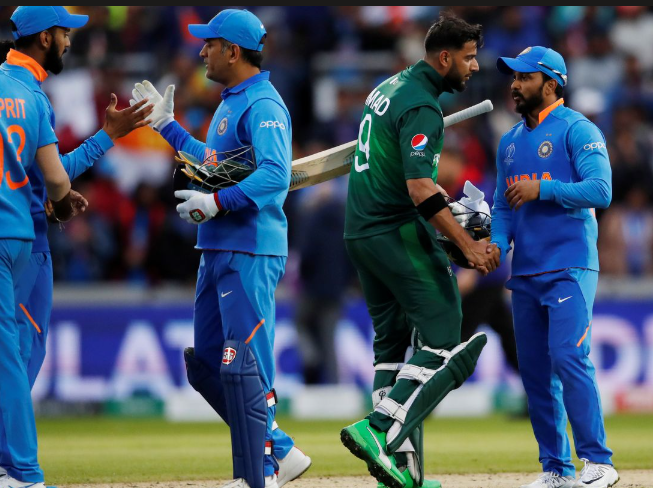
Hong Kong, October 30: Pakistan defeated arch rivals India by four wickets in a high-scoring encounter at the Hong Kong International Sixes tournament, producing an explosive batting display to chase down a target of 89 runs in just 3.5 overs.
The defending champions delivered a commanding performance at the Mission Road Ground, with Abbas Afridi and Khawaja Nafay leading the charge in a contest dominated by aggressive stroke play.
India managed to score 88 for five in their allotted six overs after being asked to bat first. However, Pakistan made light work of the target, reaching 91 for two in only 3.5 overs to register a convincing victory.
The result marked Pakistan’s first win in the 2026 edition of the tournament and provided an important boost to their campaign.
Abbas Afridi was the standout performer, smashing 35 runs from just eight deliveries. His extraordinary hitting included five consecutive sixes off India’s Krunal Pandya, helping Pakistan collect 31 runs in the opening over of their chase.
Khawaja Nafay also played a decisive role, scoring an unbeaten 41 from only 12 balls, including two boundaries and five sixes. Irfan Khan contributed towards the conclusion of the innings, hitting the winning runs to complete Pakistan’s emphatic victory.
India struggle to build a competitive total
After Pakistan captain Abbas Afridi won the toss and elected to field, India began their innings with Rahul Tripathi and Nitish Rana.
The opening pair attempted to establish a steady platform but struggled to accelerate against Pakistan’s bowling attack.
Muhammad Shahzad provided the first breakthrough by dismissing Tripathi for nine runs from five deliveries.
Shashank Singh subsequently took responsibility for India’s scoring, producing an aggressive display that briefly shifted the momentum in the visitors’ favour.
He smashed 40 runs from just 11 deliveries, including two fours and five sixes. His innings provided India with much-needed momentum and helped the side recover from the early dismissal.
Nitish Rana, meanwhile, struggled to find his rhythm and scored 19 from 14 balls. With the Indian innings losing momentum, he was retired out during the fifth over to allow another batter to come in.
Rahul Tewatia entered the crease but was dismissed for a golden duck. Captain Krunal Pandya also departed without scoring, leaving India under pressure during the closing stages.
The two quick dismissals disrupted India’s plans, while Pakistan continued to apply pressure through disciplined bowling.
Shashank remained India’s main source of runs, but his dismissal by Ahmed Daniyal in the final over further reduced the team’s chances of reaching a more challenging total.
T Natarajan remained unbeaten on 12 runs from six deliveries, helping India finish at 88 for five in six overs.
Although the total offered some opportunity for a competitive contest, Pakistan’s aggressive batting approach ensured that the target was comfortably within reach.
Abbas Afridi produces explosive start
Pakistan began their chase with an extraordinary display of power hitting.
Afridi immediately attacked Krunal Pandya, sending five consecutive deliveries over the boundary for sixes. The sequence produced 31 runs in the opening over and placed India on the defensive almost immediately.
The opening assault completely changed the complexion of the match, with Pakistan requiring fewer than 60 runs after just one over.
Afridi continued his attacking approach alongside Nafay, and the pair punished India’s bowlers whenever they missed their lengths.
T Natarajan also came under pressure as the Pakistani batters collected 28 runs from his over, taking the score to 73 for one at the halfway stage of the chase.
India eventually managed to break the partnership when Shashank Singh dismissed Afridi for 35 from eight deliveries.
However, the breakthrough came too late to create a meaningful change in the match. Nafay remained at the crease and continued attacking the Indian bowling.
He eventually finished unbeaten on 41 from 12 deliveries, while Irfan Khan provided the finishing contribution.
Pakistan reached 91 for two in just 3.5 overs, completing one of the most emphatic victories of the tournament.
Afridi’s remarkable performance with the bat earned him the Player of the Match award.
India face qualification pressure
The defeat placed India in a challenging position in Group C, with their progression depending on the outcome of their remaining fixture and the tournament’s qualification criteria.
Pakistan’s victory was particularly important because it revived their chances of reaching the Cup category after an unsuccessful start to their campaign.
India, Pakistan and the United Arab Emirates were involved in the same group, making the competition for qualification increasingly tight.
India’s next assignment against the UAE became crucial, as a victory could leave all three teams level on points.
In such a situation, the number of sixes scored could become a decisive factor in determining which side progresses to the Cup category.
The format of the Hong Kong Sixes places considerable importance on aggressive batting, with teams required to score quickly in matches consisting of only six overs per innings.
Consequently, individual performances and boundary-hitting ability can have a significant influence on the final standings.
Pakistan’s innings against India demonstrated the importance of exploiting the powerplay and maintaining attacking intent throughout the chase.
Tournament attracts international attention
The Hong Kong Sixes tournament features several international teams competing in a fast-paced format designed to provide an entertaining spectacle for cricket supporters.
The 2026 edition began on October 30 and is scheduled to conclude on November 1, with 25 matches planned across the competition.
The tournament includes established cricketing nations and emerging teams, providing players with an opportunity to showcase their skills in a shortened version of the game.
India’s participation has attracted considerable attention, particularly because of the traditional rivalry with Pakistan.
The latest encounter once again highlighted the competitive nature of matches between the two sides, even in a six-a-side format.
For Pakistan, the result was a confidence-boosting performance after their earlier difficulties in the competition. Their ability to chase the target so quickly demonstrated the strength of their batting lineup.
India, on the other hand, will need to improve their execution with both bat and ball if they are to remain competitive in the tournament.
The Indian team showed some promise through Shashank’s aggressive batting, but the inability to build a larger total and contain Pakistan’s explosive opening over proved costly.
With the group-stage competition continuing, both teams will look to improve their performances and secure favourable positions in the remaining fixtures.
Pakistan’s emphatic victory will be remembered for Afridi’s five consecutive sixes and Nafay’s rapid unbeaten innings, while India will be left reflecting on a disappointing performance against their arch-rivals.

