


Pakistani, Afghan Media Call Istanbul Talks a ‘Failure,’ Offer Conflicting Narratives
While Islamabad highlights Taliban’s reluctance to act against terror groups, Kabul media accuses Pakistan of pressure tactics and lack of sincerity during negotiations.
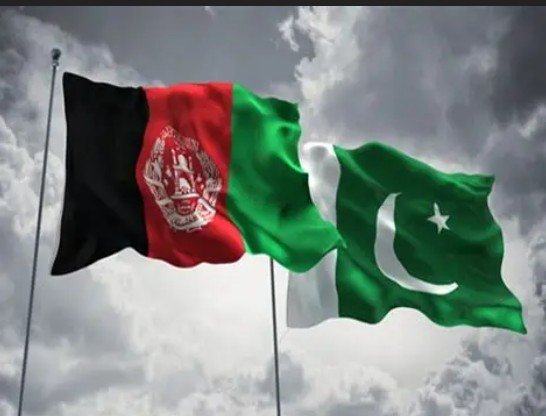
Pakistan, Oct 29 : Istanbul Talks End Without Breakthrough
The three day follow up meeting between Afghanistan and Pakistan in Istanbul aimed at implementing the October 18–19 Doha agreement concluded without any joint statement or signed document. Although both sides upheld a fragile border ceasefire, the talks failed to yield tangible progress, with mutual distrust overshadowing the process.
Media Narratives Reflect Deep Divide
Coverage from both countries underscored the same outcome no agreement but framed it through contrasting narratives.
Pakistani media, particularly Dawn, portrayed the Istanbul discussions as largely constructive, noting that many pending issues from the Doha talks had been addressed. However, it emphasised that the mechanism for verifiable action against terrorist groups operating from Afghan soil remained unresolved.
On the other hand, Afghanistan’s Tolo News accused Pakistan of adopting an aggressive and disorganised stance. It reported that the Pakistani side insisted on its “right to strike inside Afghanistan” during TTP related attacks, which Kabul considered unacceptable.
TTP Presence Emerges as Key Sticking Point
At the heart of the impasse lay the issue of Tehreek-e-Taliban Pakistan (TTP) bases inside Afghanistan. Islamabad pressed Kabul to acknowledge their existence and take verifiable action, while the Taliban delegation maintained that TTP’s activities were a domestic Pakistani issue.
Afghan media suggested that the mediators from Turkiye and Qatar were “surprised and frustrated” by Pakistan’s delegation’s tone, while Pakistani reports claimed that the Taliban refused to commit to written verification.
Diplomatic Fallout and Future Challenges
Both sides’ media agreed that the TTP question remains the principal barrier to progress. However, their diverging narratives have intensified domestic pressure on negotiators, risking further diplomatic strain.
The talks, led by Pakistan’s Defence Minister Khawaja Muhammad Asif, ended with his reiteration that the ceasefire agreement is conditional upon Kabul’s ability to restrain anti-Pakistan elements operating from its territory.
As the Istanbul round closes without results, the future of the fragile Pakistan-Afghanistan truce appears uncertain, with both capitals standing firm on their respective positions.

