


Parliament Deadlock Nears End as Lok Sabha Set to Take Up Exam Reforms Bill Today
https://chatgpt.com/c/6a681e27-2540-83ee-9723-98e8b117c560#:~:text=Speaker%27s%20Mediation%20Signals%20Possible%20Return%20to%20Normal%20Proceedings%20After%20Days%20of%20Opposition%20Protests
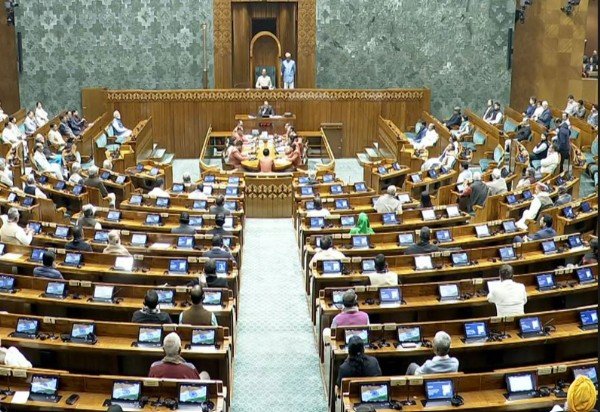
NEW DELHI: After several days of repeated disruptions during the Monsoon Session, Parliament appeared to move closer to restoring normal legislative business on Monday, with the Lok Sabha expected to take up the Public Examinations (Prevention of Unfair Means) Amendment Bill for discussion and passage.
The development follows intensive efforts by Lok Sabha Speaker Om Birla to bridge differences between the government and the opposition after proceedings in both Houses remained stalled over allegations of excessive police action against students protesting issues related to competitive examinations.
Speaker Steps In to Break Legislative Stalemate
Parliamentary sources indicated that Speaker Om Birla held consultations with leaders from both the ruling alliance and the opposition in an effort to end the impasse that has persisted since the Monsoon Session began. His intervention is believed to have created room for dialogue, raising hopes that legislative work could resume without further interruptions.
Birla reportedly met senior opposition leaders, including Congress leader K.C. Venugopal and Samajwadi Party chief Akhilesh Yadav, while also engaging with representatives from other opposition parties. During these interactions, he stressed the importance of debating legislation connected to the country’s examination system, describing the issue as one that directly affects millions of students and young aspirants.
Government Prioritises Examination Reform Legislation
The government has placed significant importance on the Public Examinations Reform Bill, describing it as a key component of its strategy to strengthen the integrity of national recruitment and entrance examinations.
The proposed legislation aims to introduce stricter legal provisions against paper leaks, organised cheating networks and other unfair practices that have undermined confidence in competitive examinations in recent years. It forms part of a broader package of reforms announced after the controversy surrounding the NEET-UG examination.
Government leaders have maintained that stronger punitive measures are necessary to safeguard merit-based recruitment and restore public trust in the examination process.
Opposition Weighs Debate Over Continued Disruption
Political observers believe the opposition’s willingness to participate in the debate may have been influenced by the government’s indication that it was prepared to seek passage of the bill even if disruptions continued.
Had the House remained disorderly, the ruling alliance could have attempted to pass the legislation through a voice vote, limiting opportunities for opposition members to place their objections and suggested amendments on record.
By agreeing to participate in the discussion, opposition parties are expected to present their concerns regarding implementation, accountability and safeguards while also raising broader questions about examination reforms.
Several Amendments Already Proposed
Parliamentary Affairs Minister Kiren Rijiju pointed out that opposition members had submitted more than ninety amendment proposals to the bill, indicating that they were actively engaging with its provisions despite the ongoing political confrontation.
The minister argued that the large number of amendments reflected a willingness to participate in legislative scrutiny and urged opposition parties to move from protest to debate inside Parliament.
The government has repeatedly stated that Parliament remains the appropriate platform for discussing concerns related to examination reforms rather than allowing repeated disruptions to halt legislative business.
Six-Hour Debate Planned
According to parliamentary sources, around six hours have been earmarked for discussion on the legislation, although the duration could be extended if members seek additional time.
Speaker Birla appealed to all parties to utilise the opportunity for a comprehensive debate, emphasizing that reforms affecting students deserve detailed deliberation rather than procedural deadlock.
His appeal comes amid increasing public interest in measures aimed at preventing future examination irregularities and ensuring fairness in competitive recruitment.
Opposition Continues to Raise Police Action Issue
Despite indications of progress, opposition parties maintained pressure on the government over allegations that police used excessive force while handling demonstrations by students demanding action over examination irregularities.
Opposition leaders insisted that Union Home Minister Amit Shah should address Parliament and respond directly to the allegations. They argued that students exercising their democratic right to protest deserved answers from the government regarding police conduct.
The issue has remained the principal reason behind repeated disruptions in both Houses throughout the current session.
Government Rejects Opposition Allegations
The government strongly rejected the opposition’s criticism and accused rival parties of deliberately obstructing parliamentary proceedings for political reasons.
Kiren Rijiju argued that the opposition was avoiding meaningful legislative discussion despite claiming to support examination reforms. He maintained that Parliament should focus on passing laws that strengthen transparency and accountability rather than allowing political disagreements to overshadow legislative priorities.
The ruling alliance also asserted that prolonged disruptions ultimately delay reforms intended to benefit students and job aspirants across the country.
Other Legislative Business May Also Resume
Alongside the examination reform legislation, Parliament is also expected to resume consideration of other pending bills if the current breakthrough holds.
Among the measures likely to move forward is the proposed Vande Mataram Bill, which seeks to make insulting the national song a punishable offence. Discussions on the legislation are expected to begin in the Rajya Sabha once normal proceedings are restored.
Government sources also indicated that progress on other significant constitutional proposals, including measures related to women’s reservation and changes in parliamentary representation, could become possible if cooperation between political parties improves during the remainder of the Monsoon Session.
Focus Returns to Reform Agenda
With both sides showing tentative signs of flexibility, Tuesday’s proceedings could mark a turning point for Parliament after several days of legislative paralysis. The debate on the Public Examinations Reform Bill is expected to test whether political differences can give way to substantive discussion on reforms affecting millions of students and the credibility of India’s examination system.

