


Partition Wounds, Lessons for Unity
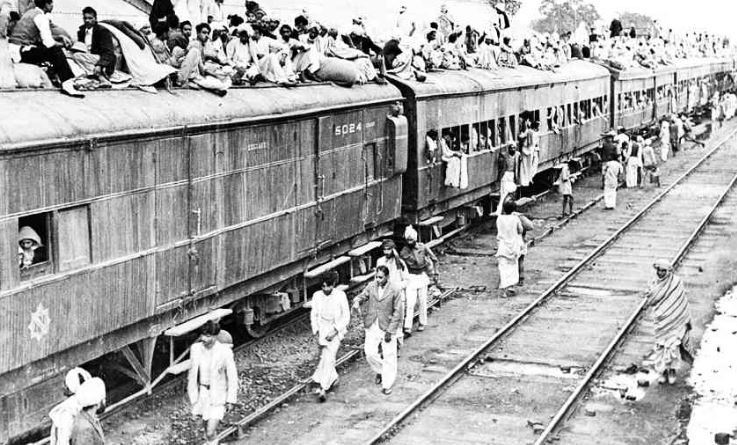
Partition Horrors Remembrance Day is a reminder of a time when millions of ordinary people paid the price for division, violence and uncertainty. Families were separated, homes were abandoned, livelihoods were lost and entire communities were forced to begin again in unfamiliar places. For many, that pain did not end in 1947. It became part of family memory and passed quietly from one generation to another.
In Jammu and Kashmir, the memory of Partition has its own depth. The region experienced displacement, conflict and upheaval that left a lasting mark on society. Families from Pakistan-occupied Jammu and Kashmir, Chhamb and other affected areas carried with them stories of loss, survival and rebuilding. These experiences deserve to be remembered with sensitivity and respect. The message delivered by Lieutenant Governor Manoj Sinha in Srinagar, particularly his appeal to young people to build bridges of trust where walls once stood, deserves wider reflection. The younger generation did not live through Partition, but it will decide how that history is remembered. The real challenge is to learn from the past without allowing the past to create fresh bitterness. That distinction is important. Remembering suffering is necessary, but remembrance should not become a reason to blame communities today for events that happened decades ago. History should deepen understanding, not harden prejudice. The greatest lesson of Partition is what can happen when fear, hatred and mistrust are allowed to overwhelm dialogue and coexistence. This is also why such observances should go beyond formal ceremonies. The stories of survivors, displaced families and those who rebuilt their lives should be properly recorded. Many first-generation witnesses are now elderly. Their photographs, letters, personal accounts and memories are valuable historical records. Jammu and Kashmir could benefit from a dedicated effort involving universities, schools, archives and cultural institutions to preserve these experiences before they are lost. Young people should also be encouraged to engage with this history in a thoughtful way. Schools and colleges can organise oral-history projects, exhibitions, discussions and research on local experiences of Partition. Students should learn not only about political events, but also about ordinary people who lost homes, protected neighbours, rebuilt businesses and started life again with very little. The resilience of those families deserves as much attention as their suffering. Many displaced people went on to contribute to education, trade, agriculture, public service and social life. Their ability to rebuild is part of the story of India’s recovery after one of its most difficult periods. At the same time, national unity cannot be strengthened by remembrance alone. It must be visible in everyday life. Citizens must feel that institutions are fair, opportunities are open, grievances are heard and dignity is respected. Peace becomes stronger when people trust both one another and the institutions meant to serve them. Jammu and Kashmir has lived through enough uncertainty to understand the value of social harmony. Public leaders therefore have a special responsibility to use history carefully. Words can heal, but they can also reopen wounds. The purpose of remembrance should be to make society wiser, more compassionate and less vulnerable to division. The Government deserves appreciation for keeping the memory of Partition victims alive and for placing youth, unity and peace at the centre of the observance. The next step should be to give this remembrance a stronger educational and institutional foundation through archives, survivor documentation, student programmes and public dialogue.
The finest tribute to those who suffered during Partition would be a society that refuses to repeat the conditions that caused such pain. Their memory will have lasting meaning when it encourages future generations to choose trust over suspicion, dialogue over hostility and unity over division. Finally, the administration may consider establishing a dedicated Partition Memory Research Centre, introducing peace and reconciliation scholarships, promoting inter-community heritage initiatives and encouraging dialogue between generations. Wider access to historical records, translated survivor accounts and district-level remembrance programmes can help preserve memory with sensitivity while strengthening understanding, harmony and social cohesion.

