


Pashmina: Changthang to Catwalk
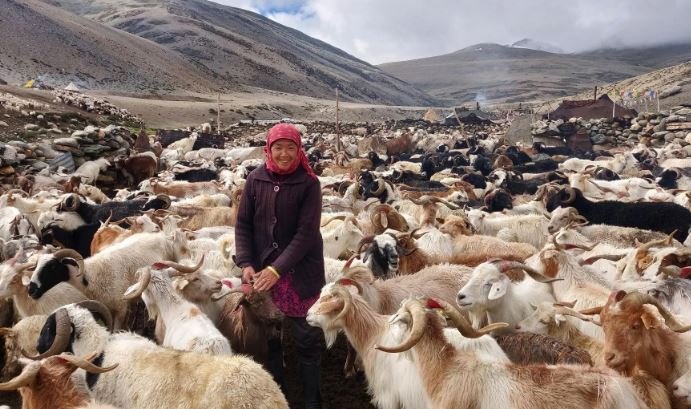
High on the windswept plateau of Changthang, where temperatures fall sharply and survival demands resilience, a delicate fiber is nurtured that has travelled the world for centuries. Ladakh’s Pashmina is not merely a textile. It is the story of pastoral communities, fragile ecology, and craftsmanship refined over generations. Yet despite producing some of the finest raw pashmina in the world, Ladakh has historically captured only a fraction of the value that this luxury fiber commands in global markets. The time has come to move from being a source of raw material to becoming a recognised global centre of excellence.
The transformation of Pashmina from raw fibre to finished luxury product requires a strategic framework rooted in value addition and institutional reform. At present, much of the processing, branding, and marketing occurs outside Ladakh. The fibre leaves the highlands, but the premium label and larger profits often emerge elsewhere. Bridging this gap calls for integrated value chain development, beginning with scientific grading and certification at the source and extending to design innovation, branding, and direct market access. Sustainable pastoralism must remain at the heart of this vision. The Changpa herders who rear the Changra goats are custodians of both tradition and ecology. Climate change, shrinking pastures, and unpredictable weather patterns pose serious risks to their livelihoods. Policy interventions must therefore strengthen veterinary support, pasture management, and climate resilience measures while ensuring fair remuneration for herders. Ethical production begins not in showrooms but in the high altitude rangelands where the fibre originates. Equally vital are the artisans who transform raw fibre into yarn and shawls of exceptional finesse. Skill development, design collaboration, and modern tools can help artisans adapt to evolving consumer tastes without diluting authenticity. Cooperative models offer a promising pathway to collective bargaining, transparent pricing, and shared benefits. By organizing producers and artisans within robust institutional frameworks, Ladakh can build a system where value remains within the region. Branding is another critical dimension. In a competitive global luxury market, authenticity and traceability are powerful assets. Establishing a certified Ladakh Pashmina label supported by rigorous quality standards can distinguish genuine products from imitations. Digital traceability systems that allow consumers to track fibre origin and ethical practices can further enhance credibility. When heritage is combined with transparency, the result is not only a product but a trusted identity. Youth engagement holds transformative potential. Many young people in Ladakh seek opportunities beyond traditional livelihoods. By integrating entrepreneurship, digital marketing and design education into the Pashmina ecosystem, the sector can attract a new generation. Innovation in product lines, online retail platforms, and global partnerships can expand reach while retaining local ownership. Pashmina should not be seen as a relic of the past but as a dynamic industry capable of evolving with global trends. Institutional convergence will determine the pace of progress. Departments responsible for industry, cooperatives, rural development, and climate resilience must operate in coordination. Financial institutions and research bodies can support technological upgrades and market intelligence. The recent emphasis on policy dialogue and sectoral planning reflects recognition that isolated interventions will not suffice. Ladakh stands at a pivotal moment. Its pashmina carries unmatched softness and authenticity, yet the economic rewards must more equitably benefit those who nurture and craft it. Transforming heritage into high-value enterprise does not mean commercializing tradition at the cost of identity. It means empowering communities, protecting fragile ecosystems, and building a brand that commands respect worldwide.
When Ladakh processes, brands, and markets its own Pashmina with certified quality and ethical traceability, it will redefine its position in the global luxury landscape. The journey from fiber source to finished shawl must be anchored in sustainability, inclusivity, and innovation. In doing so, Ladakh can ensure that its golden fiber becomes not only a symbol of elegance but also a foundation for lasting prosperity. Ladakh’s renewed focus on Pashmina deserves sincere appreciation, as it places herders and artisans at the heart of economic transformation. With sustained policy support, quality certification, and global branding rooted in authenticity, the region can capture rightful value. Continued investment in climate resilience, youth entrepreneurship, and cooperative strength will ensure that Pashmina from Changthang to catwalk remains both ethical and globally admired.

