


Peace through Policing
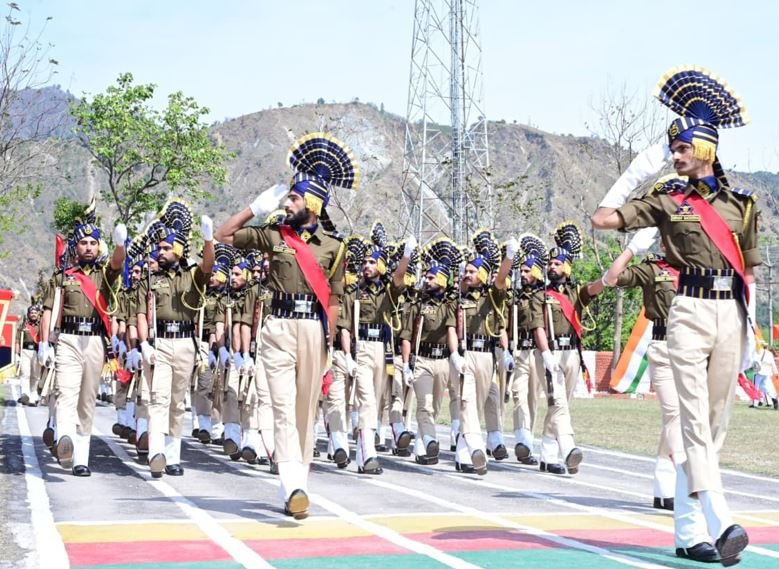
The Passing Out Parade at STC Talwara was not only a proud ceremonial occasion for the newly trained constables but also a meaningful reminder of the important role policing continues to play in the changing governance landscape of Jammu and Kashmir. In a region that has seen long periods of challenge and uncertainty, the development of a disciplined, responsible, and people-oriented police force is essential not only for maintaining law and order but also for strengthening public confidence in institutions. The message shared on the occasion, therefore, carries significance beyond the parade ground.
Police training in Jammu and Kashmir today has a much wider purpose than preparing recruits for operational duties alone. It is equally about shaping character, discipline, and judgment. A constable is expected to remain alert to security concerns, respond to public needs with care, and uphold the law with fairness and restraint. In this sense, training becomes the foundation on which both institutional strength and public trust are built. It prepares young personnel not just to enforce the law but to serve society in a balanced and humane manner. The emphasis on public trust is especially important. In any society, and perhaps even more so in Jammu and Kashmir, the police uniform carries deep meaning. For many people, it represents safety, authority, and reassurance. But this confidence can grow only when those who wear the uniform act with integrity, impartiality, and empathy. Trust is not created by authority alone. It is earned gradually through conduct, behaviour, and the way citizens are treated in everyday situations. When people feel respected and protected, the relationship between the police and the public becomes stronger and more enduring. At the same time, the security responsibilities of the force remain central. Jammu and Kashmir still face threats from terrorism and disruptive elements that seek to disturb peace and unsettle normal life. In such circumstances, the commitment of the police to peace, law, and order remains vital. Yet the real strength of policing lies in maintaining firmness against violence while also preserving restraint, professionalism, and a citizen-centered approach. A police force becomes truly effective when it protects not only territory and institutions but also the dignity, livelihood, and daily routine of ordinary people. This is why policing must also be seen as an important pillar of governance and development. A well-trained and responsive police force helps create the atmosphere in which schools function peacefully, businesses operate confidently, and communities live without fear. Peace is not sustained by security measures alone. It also depends on the presence of institutions that people can trust. In this broader sense, the J&K Police contributes not only to internal security but also to social stability, civic confidence, and the smooth functioning of public life. The Talwara Passing Out Parade also reflected the idea of institutional continuity and renewal. Every new batch of constables strengthens the capacity of the police force and carries forward its responsibility to society. The values given to them at the start of service matter greatly because they shape the kind of policing the public will experience in the years ahead. If discipline is joined with sensitivity and courage with humility, the force can continue to grow in a way that inspires wider respect and confidence.
Jammu and Kashmir today needs institutions that are firm, fair, and humane. In that setting, the police must not be seen only as an agency of control but as a public institution of service, readiness, and reassurance. The Passing Out Parade at STC Talwara offered that larger message. It suggested that the future of policing in Jammu and Kashmir must rest on professional training, public trust, democratic values, and a steady commitment to the safety and dignity of every citizen. That is the path through which security becomes meaningful and governance becomes stronger. Further, the message delivered by Lieutenant Governor Manoj Sinha stood out for its clarity, resolve, and constructive vision. It not only inspired the passing out constables to serve with integrity, discipline, and compassion but also strengthened public confidence in the larger commitment towards peace, stability, and democratic order. His words reflected a balanced and forward-looking approach, reaffirming that the path of progress in Jammu and Kashmir rests on secure institutions, responsible policing, and unwavering public trust.

