


Pharma Factory Blast in Tirupati Raises Fresh Concerns Over Industrial Health and Safety
Five people were killed and several others injured in an explosion at a pharmaceutical facility near Sri City, prompting scrutiny of workplace safety and emergency preparedness.
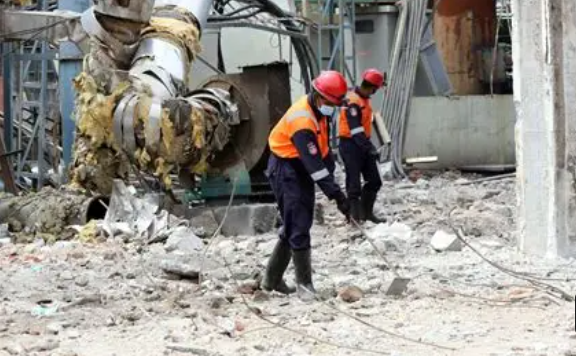
Tirupati, Oct 5: Five people were killed and at least 10 others injured after an explosion at a pharmaceutical manufacturing facility near Sri City in Tirupati district, Andhra Pradesh, on Saturday, highlighting the serious health and safety risks faced by workers in industrial environments.
The incident at a pharmaceutical unit has triggered emergency response efforts, while authorities are examining the circumstances that led to the blast. The cause of the explosion was not immediately established, and officials were working to assess the circumstances surrounding the accident and the extent of the damage.
The accident has brought renewed attention to occupational health and industrial safety, particularly in sectors where workers handle chemicals, pharmaceutical compounds, pressurised equipment and other potentially hazardous materials.
Pharmaceutical manufacturing facilities involve several stages in which strict safety procedures are essential. Production may involve chemical reactions, solvents, combustible substances, high-temperature processes and specialised machinery. Any failure in equipment, storage, handling or operating procedures can potentially create conditions for fires, explosions or toxic exposure.
For workers caught in such incidents, the immediate health consequences can range from burns and fractures to smoke inhalation, respiratory distress and traumatic injuries. Depending on the nature of the materials involved, exposure to chemical substances can also produce delayed health effects requiring prolonged medical observation.
The Tirupati incident therefore has implications beyond the immediate casualty figures. Serious workplace accidents can place considerable pressure on emergency medical services, hospitals and specialised trauma-care facilities, particularly when multiple victims require treatment simultaneously.
A major industrial accident can create different categories of patients. Some may require emergency surgery because of severe trauma, while others could need treatment for burns or respiratory problems. Patients exposed to hazardous substances may require decontamination before they can safely enter conventional hospital areas.
This makes coordination between factories, emergency responders, local administrations and healthcare institutions particularly important.
Industrial establishments handling hazardous materials are expected to maintain emergency response systems, including evacuation procedures, fire protection equipment, trained personnel and arrangements for medical assistance. Regular drills can help workers understand how to respond when an emergency occurs.
The effectiveness of such systems can have a direct bearing on the severity of injuries. Early evacuation can prevent additional exposure, while rapid medical intervention can improve outcomes for workers suffering from burns, trauma or inhalation injuries.
The pharmaceutical sector has expanded considerably in India and remains an important part of the country’s healthcare ecosystem. Pharmaceutical plants manufacture medicines and other healthcare products that supply domestic and international markets. The sector’s growth, however, also makes workplace safety an important component of public health.
The health of workers cannot be separated from the quality and safety of industrial operations. Employees working around hazardous chemicals or machinery require appropriate protective equipment, training and clearly defined safety procedures.
Regular inspection and maintenance of machinery are equally important. Equipment failures can result from inadequate maintenance, ageing components or operating conditions that are not properly controlled. Identifying risks before an accident occurs is therefore a crucial part of occupational safety.
The Tirupati blast also highlights the importance of investigating industrial accidents thoroughly. A detailed inquiry can help determine whether the incident resulted from equipment malfunction, human error, unsafe working conditions, chemical reactions or another factor.
Such investigations are important not simply for determining responsibility but also for preventing similar incidents elsewhere. Lessons from one accident can be used to strengthen safety protocols across facilities operating under comparable conditions.
Healthcare preparedness is another important aspect of industrial accident management. District hospitals and emergency facilities located near industrial clusters need adequate capacity to receive multiple casualties. Ambulance networks must also be able to transport injured workers quickly from the accident site to appropriate medical facilities.
In serious incidents, the first few minutes can be critical. Stabilisation of patients, control of bleeding, airway management and treatment of burns or other injuries may have to begin before victims reach a hospital.
Hospitals may also need to activate emergency protocols when several patients arrive at the same time. This requires coordination among emergency physicians, surgeons, nurses, diagnostic teams and other healthcare workers.
For victims who survive severe industrial accidents, medical care may continue long after the emergency has ended. Extensive burns can require repeated procedures, rehabilitation and psychological support. Orthopaedic injuries may result in lengthy physiotherapy, while respiratory complications can require prolonged monitoring.
The emotional impact of workplace disasters should also not be overlooked. Workers who survive a major accident may experience anxiety, fear or trauma after witnessing colleagues being injured or killed. Families of victims can similarly require counselling and social support.
Occupational health programmes can help address some of these long-term consequences. Such programmes are designed not only to treat injuries but also to identify workplace hazards, promote preventive measures and protect employees from conditions that could affect their health over time.
The incident has also highlighted the need for companies to maintain transparent communication during emergencies. Families of injured workers need timely information about their relatives’ condition and access to medical assistance. Clear communication can reduce confusion during a crisis and help authorities coordinate relief efforts.
While the investigation into the Tirupati explosion is expected to establish the precise cause, the accident serves as a reminder that industrial growth must be accompanied by strong safety systems.
Pharmaceutical manufacturing requires specialised knowledge and controlled processes. The presence of chemicals, machinery and other potentially hazardous materials means that even a relatively small operational failure can have serious consequences.
Preventive safety measures therefore need to be treated as an essential part of industrial management rather than an administrative formality. Workers should receive regular training, emergency exits must remain accessible, protective equipment should be properly maintained and potentially dangerous processes should be continuously monitored.
Independent safety audits can further help identify weaknesses that may not be immediately visible during routine operations. Corrective action should follow whenever a potential hazard is identified.
The role of local authorities is also significant, particularly in areas with clusters of manufacturing facilities. Emergency preparedness plans need to account for the possibility of large-scale incidents and should include coordination among fire services, police, ambulance providers and hospitals.
The Tirupati accident has once again brought occupational health into focus. Protecting industrial workers requires a combination of prevention, regulation, emergency preparedness and medical support.
As authorities investigate the cause of the blast and assess the circumstances surrounding the deaths and injuries, the incident is likely to raise wider questions about safety standards and emergency readiness at industrial facilities.
For the healthcare system, the priority extends beyond treating those injured in a single accident. It also involves building stronger systems capable of preventing workplace injuries, responding rapidly when disasters occur and supporting survivors through their long-term recovery.

