


PM Modi Pushes Nuclear Power, Rare Earths and Gas Exploration for Energy Security
Prime Minister Narendra Modi announces plans for five new nuclear reactors this decade and targets 100 GW of atomic power capacity by 2047 as India seeks greater energy self reliance.
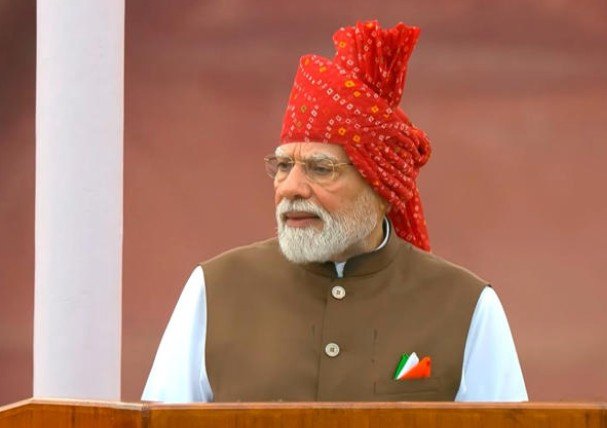
NEW DELHI, Aug 15: Prime Minister Narendra Modi on Saturday outlined an ambitious roadmap to strengthen India’s energy security, stressing the need to diversify the country’s power sources as emerging technologies such as artificial intelligence, semiconductors and data centres drive up electricity demand.
Addressing the nation from the Red Fort on the 80th Independence Day, Modi said reliable access to energy had become essential for India’s economic and technological growth.
“Today, it is difficult to run the new world without energy. Whether it is chips, AI or data centres, we need enormous amounts of electricity. Energy security is the need of the hour,” the Prime Minister said.
Highlighting nuclear power as a key pillar of India’s long-term energy strategy, Modi announced that five new nuclear reactors are targeted to begin operations during the current decade.
“One major means of ensuring energy security is nuclear energy. By 2047, we will have 100 gigawatts of nuclear power capacity. We are working towards this goal,” he said.
The government has set an ambitious target of expanding India’s nuclear generation capacity to 100 GW by 2047 under its Nuclear Energy Mission. The expansion is aimed at providing a stable source of electricity while supporting the country’s transition towards cleaner forms of power generation.
Modi also pointed to progress in breeder reactor technology, describing it as a major milestone in India’s efforts to become more self-reliant in nuclear fuel.
The Prime Minister said the achievement in breeder technology would help the country take a significant step towards strengthening domestic fuel capabilities and reducing dependence on external sources.
India’s push for greater atomic power comes amid rapidly rising electricity requirements from high-growth sectors. Artificial intelligence infrastructure, semiconductor manufacturing and large-scale data centres are expected to require substantial and dependable power supplies in the coming years.
Against this backdrop, the government is seeking to build a broader and more resilient energy mix while reducing vulnerabilities arising from excessive dependence on conventional sources.
The nuclear expansion is also being positioned as part of India’s longer-term strategy to balance economic growth, rising power consumption and environmental commitments.
By targeting 100 GW of nuclear capacity by 2047, the government aims to make atomic energy a significantly larger component of the country’s electricity system and strengthen its ability to meet future demand.
The announcement at the Red Fort underscores the government’s emphasis on domestic energy capabilities as India seeks to support its ambitions in advanced technology, manufacturing and infrastructure over the coming decades.

