


Preserving Jammu’s Cultural Roots
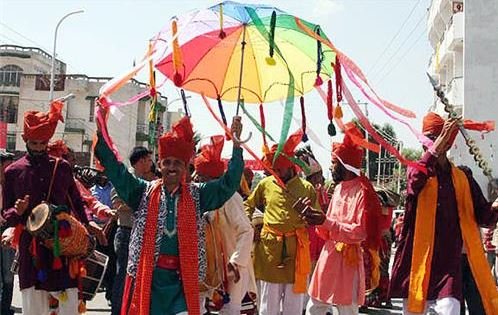
In a time shaped by rapid change, technology, and shifting social habits, the importance of cultural identity has become even more meaningful. For a region like Jammu, literature, language, and artistic traditions are not merely decorative parts of public life. They are deeply connected with memory, belonging, and the values that shape society. The literary-cultural conclave at the University of Jammu offers a thoughtful reminder that heritage does not remain alive on its own. It survives when people continue to speak their languages, remember their stories, practice their arts, and pass these treasures on to future generations with care and pride.
The value of such gatherings lies in the way they draw attention to the deeper foundations of a region’s identity. Economic progress is necessary, and modern development is important, but the true spirit of a place is often seen in its songs, folk tales, literature, customs, and artistic expressions. Jammu’s cultural traditions carry with them a long history of spirituality, coexistence, and social understanding. They encourage people to rise above divisions and to recognize a shared human bond. In this sense, culture is not separate from social harmony. It quietly nurtures it and gives it emotional strength. Language deserves special care in this greater effort. When a society gradually loses touch with its local dialects and traditional expressions, it also begins to lose part of its lived memory. Language is much more than a means of communication. It carries the voice of the past, the wisdom of elders, the rhythm of everyday life, and the emotional world of a community. Preserving language, therefore, is not simply an act of sentiment. It is an act of cultural responsibility. When local languages remain active in homes, schools, literature, and public life, they help younger generations remain connected to their roots while moving confidently into the future. The same understanding applies to folk arts and folk literature. These should not be viewed as old forms existing only for ceremonial appreciation. They remain living expressions of creativity, memory, and regional strength. Folk songs, oral narratives, traditional dance, local storytelling, and artisanal practices carry the soul of a community in a simple and powerful way. They emerge directly from the land and the people, and they give cultural life its warmth and authenticity. When these traditions decline, the loss is not only artistic. It also affects a society’s emotional richness and sense of self. That is why institutions and communities must treat their preservation as an important cultural duty. Universities have a particularly meaningful role in this process. They are not only centres of academic learning and professional preparation. They are also spaces where society reflects on its deeper identity and where knowledge can meet memory in a constructive way. When a university hosts a literary and cultural conclave, it performs a valuable public service. It creates a setting where the younger generation can engage with tradition, where scholarship can interact with lived heritage, and where culture is given dignity, relevance, and renewed life. Such efforts help ensure that heritage does not remain confined to archives or speeches but becomes part of an active and thoughtful public conversation. One of the most encouraging aspects of such initiatives is the possibility of intergenerational dialogue. Cultural continuity becomes strongest when older and younger generations meet through shared stories, artistic expression, and lived experience. A tradition remains meaningful not when it is repeated mechanically, but when it is understood, appreciated, and renewed with sincerity. Local tales, dialects, and artistic practices can offer young people not only knowledge of the past but also confidence in who they are. This kind of rootedness is valuable in an age where identity can often become uncertain or disconnected. There is also a wider social lesson in preserving literary and cultural heritage. A society that is secure in its cultural foundations is often more balanced, inclusive, and confident. It is less likely to feel threatened by change because it knows where its strength lies. Jammu’s literary, cultural, and spiritual traditions have long reflected this inclusive spirit. They have encouraged respect, reflection, and a sense of shared belonging.
The larger message is both simple and crucial. Literary gatherings, cultural festivals, and artistic forums help to safeguard identity, boost social harmony, and keep collective memory alive. Jammu’s heritage deserves not only admiration but ongoing care. Through language preservation, support for folk arts, academic involvement, and active youth participation, this heritage can stay a vibrant force that continues to shape the region’s future with dignity, confidence, and cultural richness.

