


Protecting Wetlands, Preserving Life
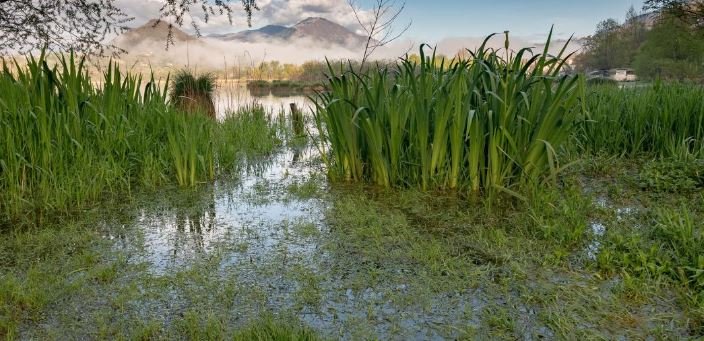
Wetlands may not always draw widespread public attention, yet they quietly sustain some of the most delicate and essential ecological processes on earth. They regulate water flows, store carbon, nurture biodiversity, and support livelihoods that have evolved in close harmony with nature. The observance of World Wetland Day 2026 in Ladakh, along with the launch of the Asian Waterbird Census, gently reminds us that protecting these fragile ecosystems is not only an environmental responsibility but also a collective social commitment rooted in care, knowledge, and cooperation.
Ladakh’s high-altitude wetlands occupy a unique place in India’s natural landscape. Set against the vast and rugged Trans-Himalayan terrain, they provide vital resting and breeding grounds for migratory water birds travelling along the Central Asian Flyway. At the same time, these wetlands are deeply woven into the everyday lives of local communities, especially pastoral groups whose traditional practices have long promoted balanced and respectful use of water and grazing resources. One of the most encouraging aspects of Ladakh’s approach to wetland conservation is the growing appreciation that lasting protection cannot rely on science alone. Indigenous knowledge, refined over generations, offers a valuable understanding of seasonal rhythms, habitat changes, and wildlife behaviour. When this local wisdom is thoughtfully combined with modern scientific research, it creates a more comprehensive and resilient framework for conservation. The Asian Waterbird Census reflects this spirit of partnership. As a citizen science initiative, it brings together experts, volunteers, and community members to observe and document water bird populations and wetland conditions. The information gathered supports better planning and informed decision-making, while the participatory process helps foster a sense of shared ownership. Communities become not just observers but active contributors to safeguarding their natural surroundings. World Wetland Day celebrations in Ladakh further highlight the importance of viewing wetlands as living cultural and ecological landscapes rather than as isolated natural features. Documentaries, exhibitions, and discussions showcased the region’s rich biodiversity alongside the cultural traditions connected to these ecosystems. Such storytelling helps people see wetlands as sources of identity, heritage, and continuity, strengthening the emotional and moral connection needed for long-term protection. Institutional efforts in Ladakh point towards a positive model of integrated governance. Collaboration among government departments, research organisations, and conservation groups is gradually strengthening monitoring systems and management capacity. Equally important is the recognition of traditional wetland management practices, which acknowledge the role of local communities as long-standing custodians of nature. This balanced approach nurtures trust and cooperation between institutions and people. At the same time, the challenges cannot be overlooked. Climate change is altering weather patterns, affecting glaciers, and reshaping water availability across the Himalayas. High-altitude wetlands are particularly sensitive to these shifts. Their decline would have serious implications for wildlife, water security, and community livelihoods. These realities underline the need for gentle yet determined action that is adaptive, inclusive, and informed by both science and tradition. Ladakh’s experience offers valuable insights for broader conservation efforts. It shows that meaningful progress is possible when knowledge systems come together, when citizens are encouraged to participate and when policies are guided by reliable data as well as local experience. It also demonstrates that conservation becomes more effective when people feel respected, heard, and involved. As India moves forward with its commitments to biodiversity conservation and climate resilience, wetlands deserve sustained attention and care. Investing in monitoring, education, and community engagement will help ensure that these ecosystems continue to flourish. Equally important is nurturing a culture of respect for nature that recognizes humans as partners, not masters, of the environment.
The reflections emerging from Ladakh during World Wetland Day 2026 point towards a hopeful and balanced path. It is a path where wetlands, wildlife, and communities thrive together, supported by thoughtful governance and shared responsibility. Such an approach does not merely protect ecosystems. It quietly reinforces the understanding that human well-being is deeply intertwined with the health and harmony of the natural world.

