


Punjab Governor’s Standoff with State Assembly Bills Draws Ire of Supreme Court, Raises Serious Constitutional Concerns
Legal Turmoil in Punjab: Supreme Court to Settle the Score on Governor's Role in Withholding Assent to State Assembly Bills
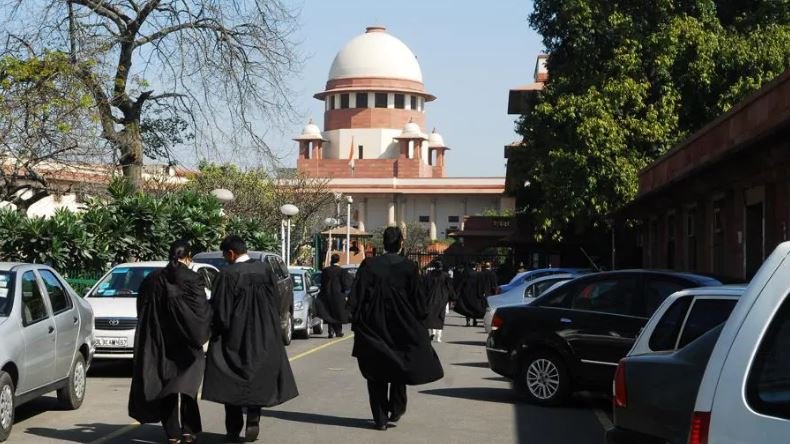
10-11-2023 : The Supreme Court of India has sternly questioned the authority of the Punjab Governor to label the state assembly session as unconstitutional, criticizing the ongoing deadlock between the Punjab government and the Governor over the assent to bills passed by the assembly. The Court, led by Chief Justice DY Chandrachud along with Justices JB Pardiwala and Manoj Misra, expressed its dissatisfaction with the situation, deeming it a matter of “serious concern.” The tussle involves the Punjab Governor, Banwarilal Purohit, and the Aam Aadmi Party government led by Chief Minister Bhagwant Mann.
In a scathing remark, the apex court accused the Governor of playing with “fire” by withholding assent to bills passed by the state assembly. The bench emphasized the importance of adhering to established traditions and conventions in the country and suggested that these norms need to be followed.
Highlighting the essence of democracy, the court asserted that power needs to function effectively in the hands of both the Chief Minister and the Governor. It hinted at passing a short order to clarify the legal position on the Governor’s authority to give assent to bills.
The court also questioned the Punjab government’s decision to adjourn, rather than prorogue, the budget session of the assembly. This inquiry reflects the judiciary’s keen interest in ensuring that democratic processes are upheld in accordance with constitutional principles.
This development follows the Supreme Court’s previous assertion on November 6, where it emphasized that state governors should be mindful of their role as non-elected representatives of the people. The court expressed concerns about Raj Bhavans, the official residences of governors, not promptly acting on bills passed by state legislatures. Solicitor General Tushar Mehta was directed to provide details of the actions taken by Governor Banwarilal Purohit on the bills cleared by the assembly.
The Punjab government had earlier approached the Supreme Court, alleging a delay in Governor Purohit’s assent to bills, characterizing such “unconstitutional inaction” as bringing the entire administration to a standstill. The plea argued that the Governor cannot indefinitely withhold assent, as Article 200 of the Constitution delineates the limited powers of the Raj Bhavan occupant regarding giving or withholding assent to a bill or reserving a bill for the president’s consideration. The court’s continued involvement in this matter underscores its commitment to upholding constitutional principles and ensuring the smooth functioning of democratic institutions.

