


Punjab Launches AI-Powered Public Health Initiative to Strengthen Early Disease Detection
State government partners with health research experts to deploy artificial intelligence tools for community screening and faster diagnosis of cardiac and respiratory illnesses.
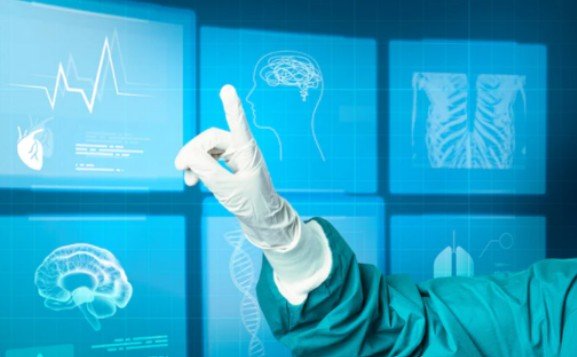
CHANDIGARH, June 25: In a significant step toward modernizing healthcare delivery, the Punjab Government has launched an ambitious artificial intelligence driven public health initiative aimed at improving disease detection, strengthening preventive healthcare and enhancing patient outcomes across the state.
The programme, developed through a partnership with the Centre for Health Research and Innovation (CHRI), seeks to integrate advanced AI technologies into grassroots healthcare services. Officials believe the initiative could transform how diseases are identified and managed, particularly in rural and underserved communities.
Under the pilot phase, AI-enabled diagnostic tools will be introduced in selected districts, including Patiala, Mohali and Fatehgarh Sahib. The project focuses on large-scale community screening and the early identification of cardiac and respiratory conditions, which continue to contribute significantly to India’s disease burden.
Health authorities said the initiative reflects a broader national trend toward adopting digital health technologies and data-driven healthcare solutions. Artificial intelligence is increasingly being viewed as a valuable tool for supporting medical professionals, improving diagnostic accuracy and streamlining patient care.
The programme will utilize advanced technologies such as AI-supported electrocardiogram devices and intelligent digital stethoscopes capable of rapidly analysing patient health data. These systems are expected to assist healthcare workers in detecting abnormalities that may otherwise go unnoticed during routine examinations.
Officials explained that early diagnosis remains one of the most effective ways to reduce healthcare costs and improve treatment outcomes. By identifying health risks at an earlier stage, patients can receive timely interventions before conditions become severe.
The initiative also includes specialized training programmes for doctors, nurses and frontline healthcare workers. Capacity building is considered essential to ensure smooth integration of AI technologies into everyday clinical practice.
Experts involved in the project noted that artificial intelligence should complement rather than replace healthcare professionals. AI systems can process large volumes of medical information quickly, but human expertise remains critical for clinical decision-making and patient management.
The growing adoption of AI in healthcare reflects broader technological advancements occurring across India’s health sector. National policymakers have repeatedly emphasized the importance of leveraging innovation to strengthen public healthcare infrastructure and improve accessibility.
Healthcare analysts believe AI could play a transformative role in addressing challenges such as workforce shortages, delayed diagnosis and unequal access to specialist services. Rural regions, in particular, stand to benefit from technology-assisted healthcare delivery.
The Punjab initiative is expected to generate valuable data that could guide future expansion of AI-based healthcare programmes. Authorities hope lessons learned during the pilot phase will help shape broader implementation strategies across the state.
Medical experts say cardiovascular and respiratory diseases account for a substantial share of healthcare challenges in India. Enhanced screening and early intervention could significantly reduce complications and improve long-term patient outcomes.
The programme also aligns with national efforts to promote digital health ecosystems and strengthen preventive healthcare. Policymakers increasingly view technology as a critical component of future healthcare systems capable of serving large populations efficiently.
Industry observers note that healthcare has emerged as one of the most important testing grounds for artificial intelligence worldwide. Successful implementation requires balancing innovation with patient safety, data privacy and ethical considerations.
Researchers expect future AI applications to include predictive analytics, personalized treatment recommendations, disease surveillance and improved hospital management systems. Such technologies could help healthcare providers allocate resources more effectively and deliver more targeted care.
The Punjab Government believes the initiative represents an important milestone in its efforts to build a more resilient and responsive healthcare system. By combining technological innovation with public health objectives, authorities aim to create a model that can be replicated in other regions.
As healthcare systems continue adapting to changing patient needs, AI-powered solutions are expected to become increasingly common. The Punjab project offers a glimpse into how technology may reshape healthcare delivery, making services more accessible, efficient and proactive in the years ahead.

