


Refund Rollback Leaves Indian Exporters Facing Higher Financial Burden
RoDTEP rate reduction sparks concern over competitiveness and policy stability
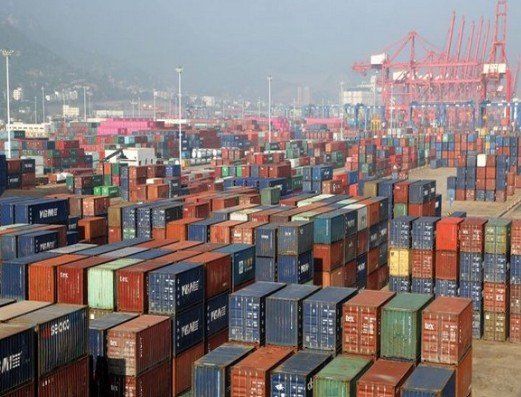
India, Feb 24 : The Centre has reduced benefits under the Remission of Duties and Taxes on Exported Products (RoDTEP) scheme by half with immediate effect, a move that exporters say could squeeze margins at a time of slowing global demand.
In a notification dated February 23, 2026, the Directorate General of Foreign Trade (DGFT) said that RoDTEP incentives will now be limited to 50% of the previously notified rates and value caps across all eligible tariff lines.
RoDTEP: A Tax Refund, Not a Subsidy
Trade experts emphasise that RoDTEP is not a subsidy but a mechanism to reimburse embedded domestic levies such as electricity duty, fuel taxes and mandi charges that exporters cannot claim back through other channels. Under World Trade Organization norms, such neutralisation of domestic taxes is permitted.
By trimming these rebates, exporters argue, the government has effectively raised the cost of outbound shipments rather than withdrawn an optional incentive.
What the Notification Changes
The new order halves both the rebate percentages and the applicable value caps. For instance, the remission on unginned raw cotton (staple length up to 20 mm) has been reduced from 3.1% (capped at ₹1.60 per kg) to 1.55% (capped at ₹0.80 per kg).
Industry observers note that even a modest 1–2% increase in costs can influence order flows in highly price-sensitive segments such as textiles and light manufacturing.
Exporters Flag Timing Concerns
Export bodies say the decision comes at a challenging moment. With global demand tepid and protectionist trends rising, Indian shipments have shown limited growth. Official data for January recorded exports at $36.56 billion, up just 0.61% year-on-year, while the trade deficit widened to $34.68 billion.
Exporters warn that lower tax remission will directly affect competitiveness in overseas markets, particularly against rivals like Vietnam and Bangladesh, which benefit from preferential trade access and leaner cost structures.
Uncertainty Adds to Pressure
Beyond immediate cost implications, trade analysts point to frequent revisions in RoDTEP rates as a structural issue. Since export contracts are often negotiated months in advance, unpredictable rebate adjustments complicate pricing strategies and increase business risk.
Some experts have suggested adopting a multi-year framework to provide greater policy stability and enable exporters to plan more effectively.
The Broader Impact
The rollback, they argue, simultaneously increases costs, narrows margins and introduces uncertainty. For smaller exporters operating on thin spreads, such shifts could determine whether shipments remain viable.
As global trade conditions remain fragile, stakeholders are urging the government to review the decision and balance fiscal considerations with the need to maintain India’s export competitiveness.

