


REVIVAL OF MUHARRAM PROCESSION IN SRINAGAR AFTER 30 YEARS
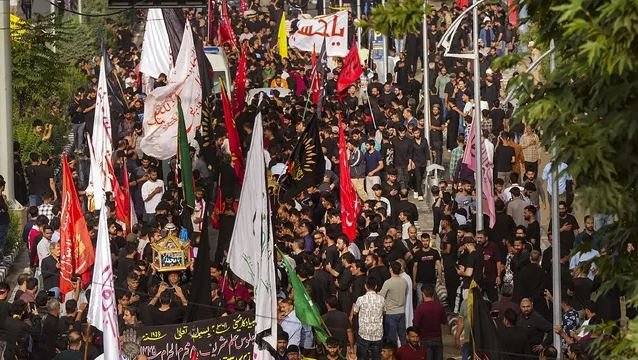
The recent revival of the Muharram procession in Srinagar is a momentous occasion in the records of Jammu and Kashmir’s history. After an interval of over three decades, J&K administration granted permission to the Shia community to conduct this revered religious observance along the Gurubazaar to Dalgate route. The procession’s appearance on the eighth day of Muharram has been suspended since the emergence of militancy in the 1990s, making this event all the more significant for the Shia population. The Muharram procession commemorates the martyrdom of Imam Hussein, the revered grandson of Prophet Muhammad, in the revered Battle of Karbala in 680 AD, and is of immense religious and cultural significance. For the Shia community, this observance resonates deeply, signifying their veneration for this historical event. Over the course of more than thirty years, the Shia minority in Srinagar ardently yearned for the opportunity to manifest their religious fervor through this customary event, and the administration’s decision to permit the procession underscores its recognition of their religious rights and sentiments. The decision to permit the Muharram procession is a step in the right way in fostering harmony and understanding among the local religious groups. It shows how the importance of cultural and religious practices are shaping in Jammu and Kashmir. By authorizing the procession, the administration exhibits its support for religious freedom and diversity, fostering harmony among the region’s many different populations.
To guarantee a tranquil and secure atmosphere throughout the procession, security measures were put in place. To ensure the smooth operation of the religious event while minimizing disruption to the general public, the route through the crowded Lal Chowk area were needed careful planning and control. The government placed a high priority on security measures as a sign of its dedication to upholding law and order during religious events and safeguarding the safety and welfare of all participants. The Divisional Commissioner of Kashmir thoughtfully limited the time of the procession to the early hours of a weekday (6 am to 8 am). This choice was made with the intention of minimizing inconveniences while upholding religious freedom. The administration struck a balance between faith and reason by allowing the community to demonstrate their devotion without causing others unnecessary hardship. An important historical turning point, the successful conclusion of the Muharram procession may pave the door for future decisions that are more inclusive. The administration allowing the procession will create opportunities for discussing related concerns and encourage more confidence and collaboration between the populace and the government on crucial issues. Through the combined efforts of the people of Kashmir, the Muharram procession in Srinagar has been revived. The administration’s choice to allow the march was made easier by their dedication to fostering an atmosphere of peace and understanding. The tranquillity in the community serves as a powerful example of the value of maintaining religious and cultural traditions. Along with the Muharram procession, Srinagar Mayor Junaid Azim Mattu’s participation in the 8th Muharram Alam-e-Sharief procession in Guru Bazar is another example of the city administration’s dedication to promoting inter-communal harmony and upholding the region’s cultural and religious heritage. Mayor Mattu showed community support and unity by participating with thousands of people during this crucial religious occasion. The administration’s commitment to sustaining the ideals of harmony, compassion, and regard for the region’s rich cultural heritage was symbolized by Mayor Mattu’s attendance. Participants responded favourably to his acknowledgment of the powerful message of Imam Hussein—one of bravery, perseverance, and the pursuit of justice—which sparked a sense of fellowship and commitment to defend these timeless principles.
In short, a significant historical event, the resumption of the Muharram parade in Srinagar after three decades reflects the changing socio-political environment and the administration’s dedication to supporting the religious rights and sentiments of the Shia community. The choice to allow the march demonstrates a growing understanding of the significance of cultural and religious practices in forming Jammu and Kashmir’s social fabric and promoting inclusion and communal harmony. In addition, the administration’s adherence to the Rishi-Sufi tradition shows its commitment to safeguarding the area’s rich cultural variety and fostering love, tolerance, and inclusivity among the various Jammu and Kashmiri populations. The region may progress towards a more cohesive and inclusive future by fostering unity and understanding, embracing its rich tapestry of traditions, and creating an atmosphere of respect and peace.

