


Rising Crude Oil Prices Raise Concerns Over India’s Economic Stability
Experts warn widening import costs and weakening petroleum exports may pressure inflation and trade balance during FY27
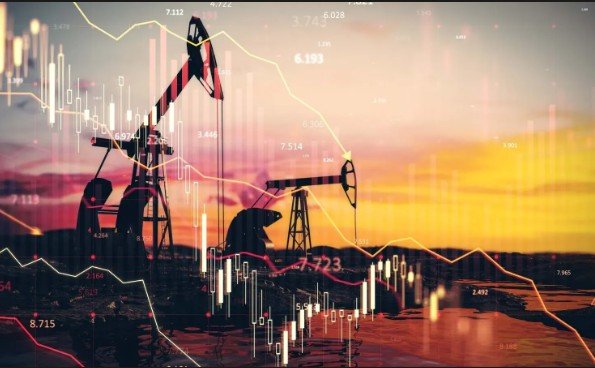
NEW DELHI, May 27: India’s economy is facing renewed pressure from rising global crude oil prices, with analysts warning that the country’s oil trade deficit could widen sharply during the current financial year.
Economic experts noted that India remains heavily dependent on imported crude oil, with more than 85 percent of domestic demand being met through overseas purchases. The recent increase in international energy prices has intensified concerns regarding inflation, transportation costs and industrial production expenses.
Financial institutions tracking global commodity markets stated that geopolitical instability in major oil-producing regions continues to disrupt supply expectations and increase market volatility.
Economists warned that prolonged high crude prices could negatively impact India’s current account balance and weaken export competitiveness, particularly if refined petroleum exports continue slowing in key international markets.
Fuel price increases are already affecting logistics, agriculture, aviation and manufacturing sectors. Transport operators across several states have raised concerns regarding higher diesel costs and shrinking operating margins.
The government is closely monitoring the situation and evaluating measures aimed at reducing external energy vulnerability. Officials are reportedly reviewing strategic petroleum reserve policies and exploring alternative sourcing arrangements with major oil-exporting nations.
Energy experts believe India’s long-term economic strategy will increasingly depend on renewable energy expansion, electric vehicle adoption and accelerated green infrastructure investment.
Several domestic industries have urged policymakers to maintain stable taxation structures to protect consumers from sharp fuel price fluctuations.
Market analysts also indicated that rising energy costs may complicate monetary policy decisions for the Reserve Bank of India if inflationary pressures intensify during the coming quarters.
Meanwhile, renewable energy companies are witnessing increased investor interest as businesses seek alternatives to fossil fuel dependency.
Green hydrogen projects, solar manufacturing initiatives and battery storage investments are expanding rapidly under both public and private sector participation.
Industry observers said the current global oil environment may accelerate India’s transition toward cleaner energy systems while encouraging domestic innovation in sustainable technology sectors.
Economic policy experts stressed that reducing dependence on imported fuel will remain essential for long-term financial stability and strategic resilience.
Businesses involved in public transportation and supply chain management are also exploring energy-efficient technologies to reduce operational expenses.
The coming months are expected to remain crucial for India’s economic outlook as global oil markets continue reacting to geopolitical developments and production uncertainties.

