


Rising Wildlife Conflict in J&K
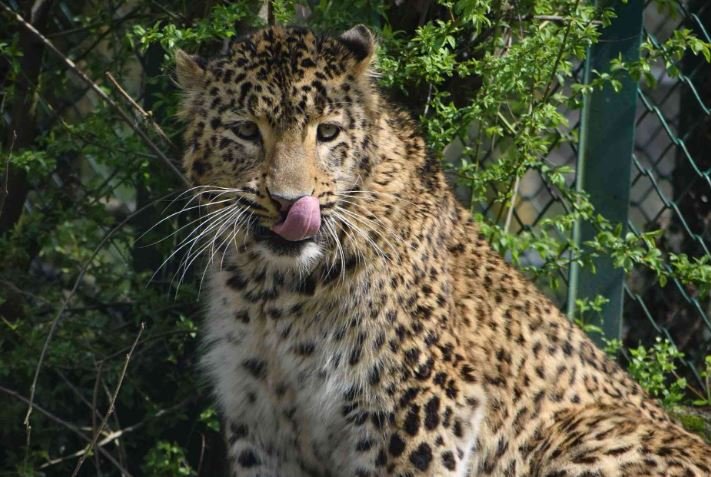
Human–wildlife conflict in Jammu and Kashmir continues to pose a sensitive and complex challenge, one that touches both human safety and ecological balance. The recent data placed in the public domain, reflecting thousands of incidents over the past two years along with reported fatalities and injuries, illustrates the importance of sustained attention and thoughtful policy responses. These figures represent not only statistics but also the direct impact on families, livelihoods, and communities.
The distribution of cases across multiple districts indicates that the issue spans diverse landscapes, from forested belts and hilly terrain to agricultural areas and semi-urban settlements. As human habitation gradually expands and infrastructure develops, the interface between people and wildlife inevitably becomes more frequent. Roads, cultivation fields, and residential clusters often overlap with traditional wildlife corridors, increasing the possibility of unintended encounters. The demographic range of those affected also highlights the vulnerability of communities living near forest boundaries. In many rural areas, daily routines such as farming, grazing livestock, or collecting firewood bring individuals into close proximity with wildlife habitats. For these communities, the threat is not distant or theoretical but part of everyday life. Addressing their concerns requires both sensitivity and practical solutions. At the same time, it is important to recognize that wildlife populations face their own pressures. Habitat fragmentation, reduced natural food availability, and environmental changes can drive animals closer to human settlements. Managing conflict, therefore, demands a balanced perspective that protects people while also safeguarding biodiversity. Conservation and community safety must move forward together. Institutional preparedness has seen encouraging efforts. The establishment of control rooms equipped with trained personnel and essential rescue equipment reflects an intent to provide a timely response in emergency situations. Quick response teams and regular patrolling in identified hotspots can help minimize harm. Preventive measures such as public awareness campaigns and installation of warning signage also play a valuable role in reducing risk. However, long-term solutions require more than an emergency response. Scientific identification and zoning of conflict-prone areas can guide targeted interventions. Protecting wildlife corridors and improving natural habitats may reduce the movement of animals into populated areas. Sustainable land use planning, informed by ecological assessments, can help prevent the creation of new conflict zones. Compensation and relief mechanisms also form a critical part of the response framework. For families who suffer loss or injury, timely and transparent assistance is essential. Delays in compensation can add to distress and erode trust. A responsive and streamlined system for disbursement can strengthen confidence in institutions and foster cooperation in conservation efforts. Integrating human–wildlife conflict mitigation into broader development strategies is equally important. Infrastructure expansion, urban growth, and agricultural planning must account for ecological considerations. Development need not come at the cost of conservation if guided by informed decision-making and community consultation. Human–wildlife conflict is not solely an environmental issue. It intersects with social stability, economic resilience, and governance credibility. Reducing its impact calls for data-driven analysis, interdepartmental coordination, and community engagement. Awareness programmes, research initiatives, and continuous monitoring can refine strategies over time.
With careful planning and inclusive dialogue, it is possible to move towards a framework that minimizes conflict while preserving the region’s rich natural heritage. Jammu and Kashmir’s diverse ecosystems are a source of pride and livelihood. A balanced approach that combines preparedness, ecological stewardship, and compassionate governance can gradually ease tensions and promote coexistence between people and wildlife.

