


Road Injuries Emerge as Major Public Health Concern in India
WHO estimates place road traffic injuries among India’s leading causes of death, highlighting the need for stronger prevention and emergency care.
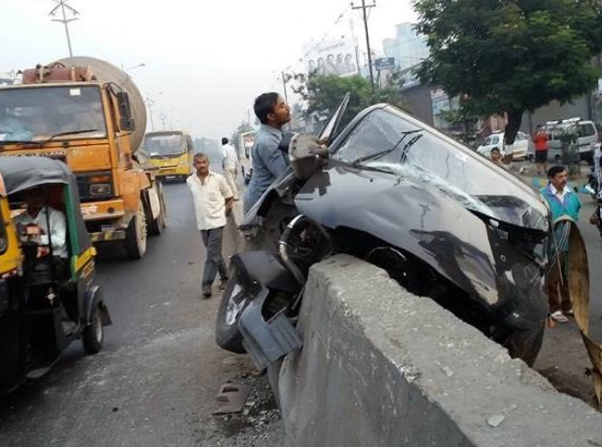
New Delhi, Oct 5: Road traffic injuries continue to pose a serious public health challenge in India, with the latest World Health Organization estimates placing road injuries among the country’s leading causes of death. The findings have renewed attention on road safety, injury prevention and the need for timely medical care following crashes.
According to the WHO’s latest Global Health Estimates, road injuries ranked as the 10th leading cause of death in India when both sexes were considered together. The assessment also showed differences by sex, with road injuries ranking eighth among the leading causes of death for males. For females, falls occupied the eighth position.
The findings were reported on October 4 following the release of the WHO’s updated global health estimates, which cover health trends across countries from 2000 to 2023. The dataset examines mortality and disease burden by age, sex and cause, providing a broader view of the health risks facing populations.
Road injuries are particularly significant because they can affect people at relatively young ages and frequently result not only in deaths but also in serious physical injuries, permanent disability and long periods of rehabilitation.
The WHO has identified road traffic injuries as a major global health problem. Its latest fact sheet says approximately 1.16 million people die each year worldwide as a result of road crashes, while another 20 million to 50 million people suffer non-fatal injuries. Some of those injuries result in long-term disability.
The global burden is disproportionately concentrated in low- and middle-income countries. According to WHO, 92 per cent of road traffic fatalities occur in these countries even though they account for around 60 per cent of the world’s vehicles.
The problem also extends beyond vehicle occupants. More than half of road traffic deaths globally involve vulnerable road users, including pedestrians, cyclists and motorcyclists. This makes road safety a concern not only for drivers but for everyone using public roads.
For India, the latest ranking reinforces the connection between transport safety and healthcare. Preventing crashes can reduce the number of people requiring emergency treatment, surgery, intensive care and rehabilitation. At the same time, an effective medical response can determine whether an injured person survives and how much disability they experience afterward.
Road crashes can produce a wide range of medical emergencies, including traumatic brain injuries, spinal injuries, fractures, internal bleeding and damage to major organs. The severity of such injuries means that delays in reaching appropriate medical facilities can have serious consequences.
The WHO has stressed that road traffic injuries are the leading cause of death among children and young adults aged five to 29 worldwide. This makes the issue particularly important from a public health perspective because deaths and disabilities among younger people can have consequences extending across many decades of life.
The economic consequences are also substantial. The WHO estimates that road crashes cost most countries around 3 per cent of their gross domestic product. The impact includes medical expenses, rehabilitation costs, lost productivity and the financial burden placed on families when an injured person is unable to work.
In India, the health impact can be especially significant for households that depend heavily on a single income. A serious crash may require hospitalisation followed by months of rehabilitation, while permanent disability can create continuing requirements for treatment, assistive devices and family support.
The latest WHO figures therefore highlight the need to treat road safety as part of a broader healthcare strategy rather than solely as a transport or law-enforcement issue.
Prevention remains the most effective way to reduce the health burden. Measures such as safer road infrastructure, enforcement of traffic regulations, speed management and protection of vulnerable road users can help reduce both the number and severity of crashes.
The WHO has also highlighted the importance of addressing major behavioural and environmental risk factors associated with road crashes. Safer road design, appropriate vehicle standards and effective post-crash care are all components of a comprehensive road safety response.
Emergency medical services are another crucial part of the chain. A crash victim may require rapid assessment at the scene, stabilisation during transportation and immediate treatment at a properly equipped hospital. Strengthening trauma-care networks can therefore complement efforts aimed at preventing collisions.
Hospitals also play an important role after the initial emergency. Survivors of major crashes may require orthopaedic treatment, neurological care, physiotherapy, occupational therapy and psychological support. Rehabilitation can determine whether an injured person eventually returns to work and everyday activities or remains dependent on long-term assistance.
The growing importance of road injury prevention comes alongside a broader shift in the global health landscape. WHO’s new estimates show that non-communicable diseases account for an increasing share of deaths, while injuries continue to create a substantial burden in many populations.
The organisation has set out a global target of halving deaths and injuries from road crashes by 2030. The target was established by the United Nations General Assembly and reflects the recognition that road safety requires coordinated action involving health authorities, transport agencies, urban planners, law enforcement and communities.
For India, the latest ranking of road injuries among the leading causes of death provides another indication of the scale of the challenge. While medical advances can improve survival after severe trauma, preventing crashes in the first place remains essential.
Attention is also needed on the different risks faced by various groups. Motorcyclists, pedestrians and cyclists can face greater exposure to serious injury because they have less physical protection during a collision. Children and young adults may also face particular risks because of age, road behaviour and exposure to traffic.
Road safety campaigns can play a role in improving awareness, but sustained reductions in injuries require enforcement and infrastructure changes alongside public education. Safer crossings, pedestrian facilities, lighting, traffic-calming measures and better road engineering can reduce hazards in areas with heavy movement of people.
The healthcare system must simultaneously prepare for the consequences of crashes that cannot be prevented. Emergency departments, trauma centres and rehabilitation services need adequate staffing, equipment and referral networks to manage patients from the moment they are injured through their recovery.
The latest WHO estimates thus place road injuries within the wider conversation on public health in India. The issue is not limited to the number of people killed in crashes. Every serious injury can affect a person’s physical health, employment, family finances and quality of life.
Reducing this burden will require a sustained approach that combines safer roads, responsible driving, protection for vulnerable road users, rapid emergency response and accessible rehabilitation. With road injuries continuing to rank among major causes of death, strengthening each stage of this system remains an important healthcare priority.

