


Russia Intensifies Drone Offensive Across Ukraine
Civilian infrastructure hit as fresh attacks raise concerns over widening conflict
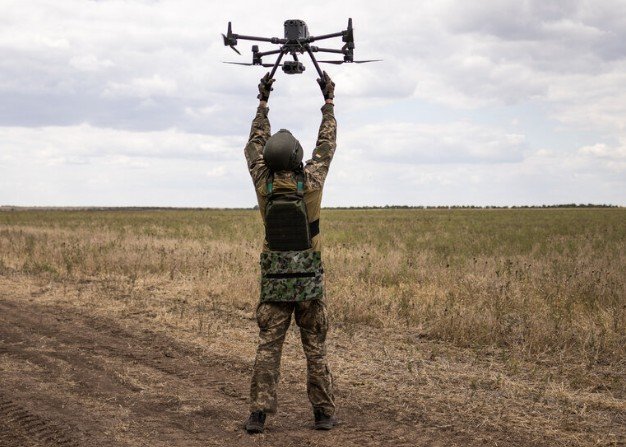
KYIV, May 18: Russia launched one of its largest drone offensives against Ukraine over the weekend, targeting energy facilities, transportation hubs and residential areas in several regions, Ukrainian officials said on Monday. The attacks came amid renewed diplomatic deadlock and rising concerns over escalation in Eastern Europe.
According to Ukrainian authorities, multiple cities including Kyiv, Kharkiv, Odesa and Dnipro witnessed overnight drone strikes that damaged critical infrastructure and disrupted electricity supplies. Emergency teams were deployed across affected regions as rescue operations continued through Monday morning.
Ukraine’s Air Force claimed it intercepted a large number of incoming drones, but several managed to penetrate defence systems, causing fires in industrial zones and apartment buildings. Officials reported civilian casualties and injuries, though the exact numbers were still being verified.
President Volodymyr Zelenskyy condemned the strikes and called for stronger international support, saying Russia was deliberately targeting civilian infrastructure to weaken public morale. He urged Western allies to accelerate the supply of advanced air defence systems and long-range security assistance.
The Russian Defence Ministry, meanwhile, stated that the operation was aimed at military logistics facilities and strategic targets linked to Ukrainian defence operations. Moscow maintained that its attacks were focused on military objectives.
The renewed drone offensive has further intensified fears of prolonged instability in the region. Analysts believe Russia is increasingly relying on drone warfare because of its lower operational cost and ability to overwhelm defensive systems.
International reactions poured in after the strikes. The European Union expressed concern over the growing humanitarian situation, while the United States reiterated support for Ukraine’s sovereignty and territorial integrity.
The latest developments come at a time when diplomatic efforts to secure a ceasefire remain stalled. Peace negotiations mediated by international agencies have shown little progress in recent months.
Military experts believe the coming weeks could witness increased aerial attacks as both sides continue to compete for strategic advantage before the summer campaign season.
The conflict, now stretching into another difficult phase, continues to affect global energy markets, food exports and geopolitical relations across Europe and beyond.

