


School Herbal Garden
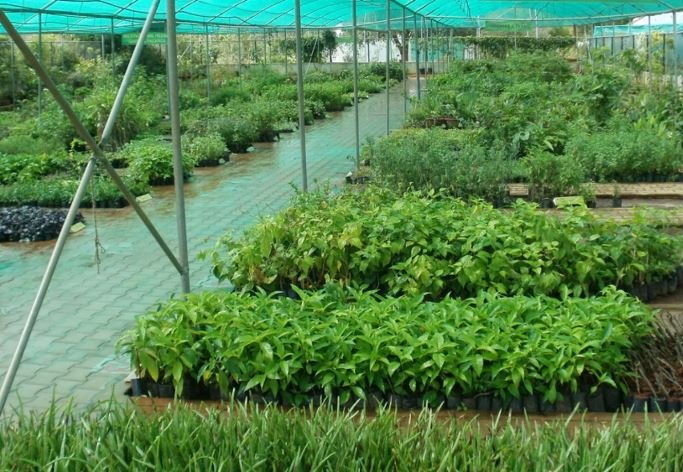
The approval of 100 School Herbal Gardens across the Jammu division is a welcome and thoughtful initiative that can bring lasting value to the educational and social environment of the region. It represents a gentle but meaningful effort to connect school education with nature, traditional knowledge, and awareness about health. At a time when education is increasingly expected to be practical, holistic, and value-based, such a program offers an opportunity to enrich learning in a simple yet effective way.
A herbal garden in a school is not just a green corner or a decorative space. It can become a living classroom where students learn through direct observation and participation. By seeing medicinal plants grow around them, children can understand their names, uses, and importance in a much more natural and lasting manner. This kind of experiential learning often leaves a deeper impression than classroom theory alone. It encourages curiosity, care, and a stronger connection with the environment. The initiative is also important because it introduces young students to India’s long-standing tradition of medicinal knowledge in a balanced and educational way. Traditional systems of healing and plant-based remedies have been a part of community life for generations, yet many children today grow up with limited awareness of this heritage. School herbal gardens can help bridge that gap by making such knowledge visible and relatable. They offer students an early understanding of how nature, health, and traditional wisdom have long been interconnected. Another positive aspect of the initiative is its role in promoting environmental awareness. Children who engage with plants regularly are more likely to develop respect for nature and understand the importance of biodiversity. In today’s world, where environmental concerns are growing, and many students are becoming increasingly distant from the natural world, such gardens can help build habits of observation, care, and responsibility. They can teach students that conservation begins not only in forests and policies but also in everyday spaces such as homes, schools, and neighborhoods. The herbal garden program also has a quiet but meaningful connection with preventive healthcare. It can help students become more aware of the idea that health is not only about treatment after illness but also about knowledge, balance, and healthy practices. In this sense, the initiative aligns well with the broader values of the AYUSH system, while remaining rooted in education and awareness rather than mere symbolism. It allows children to appreciate that traditional knowledge still has relevance in the modern world and deserves to be understood with seriousness and respect. For Jammu and Kashmir, the program holds special promise because the region possesses rich natural diversity and a valuable heritage of medicinal plant knowledge. If these herbal gardens are developed and maintained properly, they can become important educational spaces that reflect local ecological and cultural richness. They can also inspire students to take pride in the knowledge systems and natural resources of their own region. At the same time, the long-term success of the initiative will depend on how carefully it is implemented. The gardens should not remain limited to plantation drives or ceremonial activities. Teachers will need support to use them meaningfully in classroom learning. Students should be encouraged to participate actively in planting, observing, and understanding the plants. There is also scope for involving local experts, AYUSH practitioners, and community members so that the gardens become shared spaces of knowledge and learning.
Overall, the School Herbal Garden initiative is a positive and forward-looking step that connects education with ecology, health with tradition, and learning with lived experience. It has the potential to nurture more aware, responsible, and grounded young citizens. If carried forward with care and continuity, it can become a valuable model of how schools can help preserve knowledge, promote environmental sensitivity, and strengthen the relationship between children and the natural world.

