


Sensex Surges 1,300 Points as D-Street Cheers West Asia Peace Talks
Easing crude oil prices and optimism over US–Iran dialogue drive strong gains on Dalal Street despite cautious earnings outlook
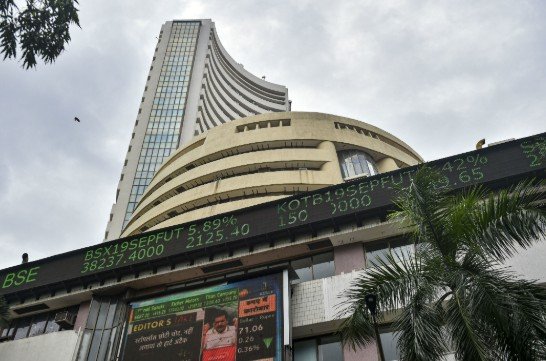
MUMBAI: Renewed optimism surrounding potential de-escalation in West Asia tensions sparked a strong rally in Indian equity markets on Wednesday, with benchmark indices posting significant gains. Improved global sentiment, combined with a sharp decline in crude oil prices, provided a solid foundation for investor confidence.
The BSE Sensex surged 1,264 points, or 1.6 per cent, to settle at 78,111 after climbing more than 1,400 points during early trading hours. The rally was largely supported by falling crude prices, which dropped to nearly $95 per barrel, easing inflationary concerns for an oil-import-dependent economy like India.
Market participants reacted positively to developments indicating possible diplomatic engagement between the United States and Iran. According to market analysts, expectations of an extended ceasefire period have reduced fears of supply disruptions in global oil markets, thereby softening energy prices and boosting equity sentiment worldwide.
Vinod Nair of Geojit Investments noted that the possibility of renewed negotiations between the two nations has significantly lifted global risk appetite. The decline in oil prices below the $100 mark outweighed earlier concerns about geopolitical instability, triggering a broad-based rally across sectors.
Despite a relatively subdued outlook for fourth-quarter corporate earnings, investors remained optimistic about the medium-term growth trajectory. Analysts believe that attractive valuations and expectations of stronger earnings in the coming financial year are encouraging market participants to maintain their exposure to equities.
Foreign portfolio investors (FPIs), who had largely remained cautious since the onset of geopolitical tensions in late February, showed renewed interest in Indian markets. Wednesday witnessed a net inflow of Rs 666 crore from foreign investors, marking only the second instance of net buying during this period. Earlier, on April 12, FPIs had infused Rs 1,507 crore into domestic equities, according to data from NSDL and BSE.
The trading session began on a strong note, with the Sensex opening significantly higher and maintaining its upward trajectory throughout the day. It touched an intraday high of 78,270 before witnessing minor profit booking but ultimately held firm near peak levels.
The NSE Nifty mirrored the bullish momentum, gaining 389 points, or 1.6 per cent, to close at 24,231. Gains were seen across sectors, reflecting broad-based participation in the rally.
The surge in stock prices translated into substantial wealth creation for investors. The total market capitalisation of companies listed on the BSE increased by Rs 9.4 lakh crore, taking the overall valuation to Rs 458.6 lakh crore.
Global markets presented a mixed picture, although sentiment remained cautiously positive. Asian indices showed modest gains, with Japan’s Nikkei rising 0.4 per cent, while Hong Kong’s Hang Seng added 0.3 per cent. China’s Shanghai Composite remained largely unchanged.
In Europe, trading trends were mixed, with the UK’s FTSE index declining by 0.5 per cent, while Germany’s DAX posted a marginal gain. Meanwhile, early trading in the United States reflected divergent trends, as the Dow Jones Industrial Average slipped, whereas the Nasdaq Composite advanced, indicating selective buying in technology stocks.
In the currency market, the Indian rupee remained largely stable, closing at 93.39 against the US dollar, showing minimal change from the previous session. Stability in the currency further supported investor confidence amid global uncertainties.
Market experts believe that the sustainability of the ongoing rally will largely depend on geopolitical developments and commodity price movements. Siddhartha Khemka of Motilal Oswal Financial Services stated that Indian equities are likely to maintain an upward bias as long as progress in peace negotiations continues and crude oil prices remain under control.
However, analysts caution that volatility cannot be ruled out, especially given the fragile global environment and the evolving geopolitical situation. Foreign investment flows and macroeconomic indicators will remain key factors influencing market direction in the near term.
Overall, the current rally underscores the sensitivity of financial markets to geopolitical developments, with hopes of peace acting as a powerful catalyst for risk on sentiment across global equities.

