


Shashi Tharoor’s ‘Normalcy’ Remark After Meeting LG Sinha Sparks Political Row in J&K
Comments on improving situation in J&K draw criticism from party leaders and student activists, who question ground engagement and narrative framing.
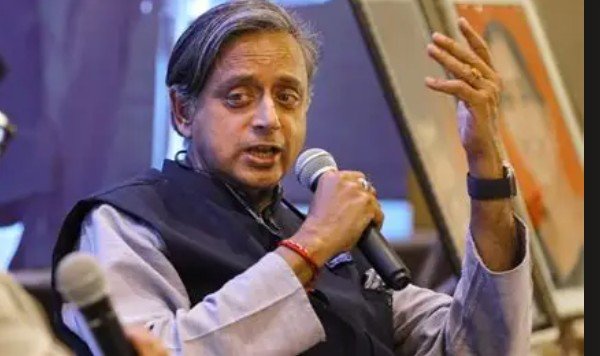
Srinagar, Jun 22: Congress MP Shashi Tharoor has drawn sharp political reactions after describing the situation in Jammu and Kashmir as moving towards “encouraging progress in normalcy” following his meeting with Lieutenant Governor Manoj Sinha in Srinagar.
Tharoor made the observation in a social media post after his interaction at Raj Bhavan, where he said discussions covered the overall situation in the Union Territory and noted signs of improvement. He also mentioned observing outreach efforts during the visit, calling them a positive development, while acknowledging that several challenges still persist.
However, his remarks quickly triggered criticism from multiple political and social voices, including sections within his own party, who argued that the assessment did not reflect the ground reality.
Jammu and Kashmir Congress spokesperson Ravinder Sharma said expectations were that the visiting leader would engage more widely with local citizens and party workers. He stated that direct interaction with those affected by political and administrative changes would have provided a clearer understanding of prevailing concerns, particularly the ongoing demand for restoration of statehood.
Student activist Nasir Khuehami also questioned the nature of the engagement, saying that meaningful dialogue with students, unemployed youth, civil society members, and political stakeholders was necessary to understand the challenges faced by people in the region. He argued that selective interactions risked presenting an incomplete picture of the situation.
In a strongly worded response on social media, Khuehami said democratic representation, job opportunities, and institutional functioning continue to remain key concerns, adding that symbolic visits alone cannot address deeper issues affecting youth and governance in the region.
He further said that expectations from such visits include raising local concerns at national platforms and reflecting diverse voices rather than reinforcing official narratives.
Adding to the criticism, former police officer and National Conference leader Shafqat Watali also questioned the effectiveness of limited outreach, stating that understanding public sentiment requires broader engagement with all sections of society.
The comments have sparked wider debate on how the situation in Jammu and Kashmir is being assessed by national political figures and whether such assessments align with experiences on the ground. The issue has once again brought focus on political representation, governance challenges, and differing perceptions of normalcy in the region.
As reactions continue to emerge, Tharoor’s remarks have become part of a larger political discussion on development narratives, engagement strategies, and the ongoing discourse surrounding Jammu and Kashmir’s political future.

